




The Marketing vs. The Facts
We are in the middle of a protein boom. From protein bars and cookies to chips and even popcorn, brands are catering to a growing demand for snacks that promise to build muscle, aid recovery, and keep us full. The packaging often features muscular silhouettes,
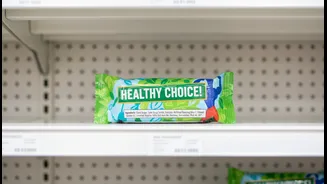
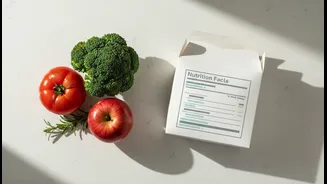
vibrant colours, and powerful words that suggest peak health and performance. However, these front-of-pack claims are marketing. The real story is on the back, in a small box of numbers and text known as the Nutrition Facts panel. Recent studies and reports have highlighted a gap between what is advertised and what is delivered, with some products containing less protein than claimed or being packed with undesirable extras. The Food Safety and Standards Authority of India (FSSAI) has even stepped in to tighten regulations around misleading claims, putting the responsibility on consumers to become smarter readers of labels.
First Step: Check the Serving Size
Before you even look at the protein grams, find the serving size. This is the most critical and often most misleading part of the label. All the nutritional values listed—calories, fat, sugar, and protein—are based on that single serving. A common tactic is to list a serving size that is much smaller than what a person would typically consume. For example, a protein bar might be listed as having two servings, effectively halving all the numbers on the panel. If you eat the whole bar, you need to double everything, including the calories and sugar. To make fair comparisons between two different products, it is always better to use the “per 100g” column, which FSSAI mandates on all packaged foods in India. This standardises the information and exposes products that seem healthy only because of an unrealistically small serving size.
The Real Protein Count
Once you've established the serving size, look at the protein content. A “high protein” claim in India legally means a solid food must contain at least 12 grams of protein per 100g. For a liquid, it's 6 grams per 100ml. Anything less might be just a “source of protein.” For a snack to be genuinely effective for muscle repair or significant satiety, experts suggest looking for at least 15-20 grams of protein per realistic serving. Also consider the source. Protein quality varies; animal-based proteins like whey and casein, as well as soy, are “complete proteins,” meaning they contain all essential amino acids. Most plant proteins are “incomplete,” but can be combined to provide a full amino acid profile. The ingredient list will tell you where the protein comes from, whether it is from whey concentrate, soy isolate, or a blend of nuts and seeds.
Beware the Hidden Sugars
Here is where many “healthy” protein snacks falter. To make them taste good, many bars and cookies are loaded with added sugar. It’s not uncommon for a protein bar to contain as much sugar as a candy bar. Read the “Total Sugars” line, and more importantly, the “Added Sugars” line if available. Sugar hides under many names in the ingredient list: high-fructose corn syrup, dextrose, maltose, rice syrup, and even “natural” sounding sweeteners like honey, agave nectar, or fruit juice concentrate. If sugar or one of its aliases is one of the first three ingredients, you’re likely holding a dessert in disguise. Some products also use maltodextrin, a processed carbohydrate that can spike blood sugar even faster than table sugar and is a common filler in protein products.
Scan the Ingredient List
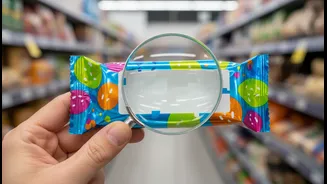
The ingredient list is your final check for quality. Ingredients are listed in descending order by weight, so the first few items make up the bulk of the product. A high-quality protein product should have a protein source—like whey, casein, or a plant-based equivalent—listed near the top. Be wary of a long list of unpronounceable chemicals, fillers, and artificial additives. While not all additives are harmful, a shorter, more recognizable ingredient list generally signals a less processed, more wholesome food. If you see multiple types of syrups and sugars listed, it's a red flag that the product's sweetness is a primary feature, not its nutritional value.