






The Unchanged Fee: A Welcome Anomaly
In a world of rising travel costs, this news comes as a pleasant surprise. Japan recently announced a significant, near fivefold increase in its visa fees for most foreign nationals, effective from July 2026. However, the Embassy of Japan in India has
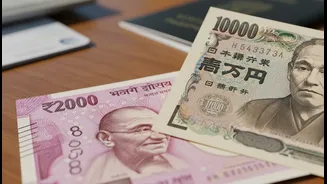
officially confirmed that this global hike does not apply to Indian passport holders. Indian applicants will continue to benefit from a long-standing concessional arrangement. The fee remains ₹500, making Japan one of the most affordable premium destinations for Indians to secure a visa for. To put this in perspective, other foreign nationals applying for a single-entry visa from India will now have to pay ₹8,650. This special consideration underscores the strengthening travel relationship between the two nations.
Single or Multiple Entry? The Choice is Yours
Perhaps the most remarkable part of this policy is its scope. The ₹500 fee is not just for a basic, single-entry tourist visa. It applies to both single-entry and multiple-entry visas for Indian nationals. This is highly unusual and provides incredible value, especially for those who plan to visit Japan more than once for business or leisure. While the fee is the same, eligibility for a multiple-entry visa typically depends on factors like your travel history, particularly previous visits to Japan or other G7 countries, and demonstrating sufficient financial capacity. For frequent travellers, securing a multiple-entry visa at this nominal cost is a significant advantage.
Understanding the Full Cost
While the headline figure of ₹500 is the core visa fee, it's important to budget for the total outlay. The ₹500 is the fee charged by the Embassy of Japan. When you submit your application, you will do so through VFS Global, Japan's official visa application partner in India. VFS levies a mandatory service charge of ₹800 (inclusive of all taxes) per application. Therefore, the minimum cost you should expect to pay for your visa application is ₹1,300. Additional optional services, such as courier return of your passport, will incur extra charges. Always factor in these service fees when planning your budget to avoid any last-minute surprises.
Your Step-by-Step Application Guide
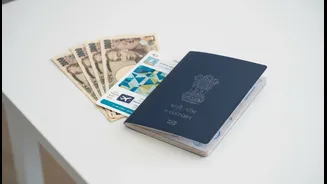
The application process remains straightforward. All applications must be routed through a VFS Global centre, and you generally do not need a prior appointment to submit your documents. Japan also introduced an e-visa system for Indian tourists in April 2024. Even with this system, applications are submitted via VFS, but the result is an electronic 'visa issuance notice' that you must display on a mobile device at immigration, rather than a traditional sticker in your passport. The core required documents typically include your valid passport, a completed application form, recent photographs meeting specifications, a detailed travel itinerary, and proof of sufficient funds for your trip. Processing usually takes about five working days once the application reaches the embassy.
An Important Note on Transit Visas
One key change that affects all travellers, including Indians, is the discontinuation of the separate transit visa category. Previously, travellers could obtain a specific, cheaper visa for short layovers. This category has now been abolished. If your travel plans include a layover in Japan where you need to pass through immigration, you will now likely need to apply for a standard short-term visitor visa. It is crucial to check the specific requirements based on your flight itinerary to ensure you have the correct documentation for your journey.