





Embrace Gourds and Bitter Vegetables
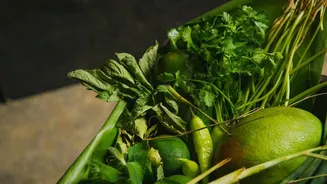
The monsoon is the perfect time to fall in love with gourds. Vegetables like bottle gourd (lauki), ridge gourd (turai), pointed gourd (parwal), and Indian squash (tinda) are abundant and incredibly beneficial. They are light, easy to digest, and have
high water content, which helps keep you hydrated without causing bloating. According to Ayurvedic principles, digestion (Agni) is weaker during this season, making these easily digestible vegetables ideal. Additionally, incorporating bitter vegetables like bitter gourd (karela) and fenugreek (methi) is highly recommended. Their bitter compounds are believed to support liver function and possess natural antimicrobial properties, which are crucial for fending off seasonal infections.
Power Up with Seasonal Fruits
While some fruits with very high water content like watermelon are best consumed in moderation, August offers a basket of immunity-boosting options. Jamun (Indian blackberry) is a true monsoon superfruit, rich in iron and antioxidants that help purify the blood. Pears, peaches, plums, and cherries are other excellent choices. They are packed with Vitamin C and antioxidants that strengthen the body's defence mechanisms against common monsoon illnesses like colds and flu. Pomegranates are another safe and healthy bet, as their thick skin protects the fruit from contamination. Always ensure fruits are washed thoroughly before consumption.
Rely on Pulses and Light Grains
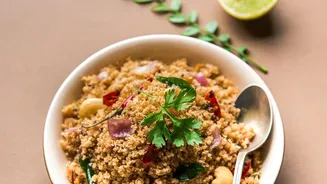
A warm bowl of khichdi is the quintessential monsoon comfort food for good reason. It is a balanced meal of rice and lentils that is nourishing and exceptionally easy to digest. Lighter pulses like moong dal are particularly suitable for the rainy season as they provide essential protein without being heavy on the stomach. Grains like oats, barley, and quinoa are also great additions to your monsoon diet. While pulses are vital, they should be cooked thoroughly to prevent digestive issues like gas and bloating, which can be more common in the humid weather.
Harness the Power of Spices
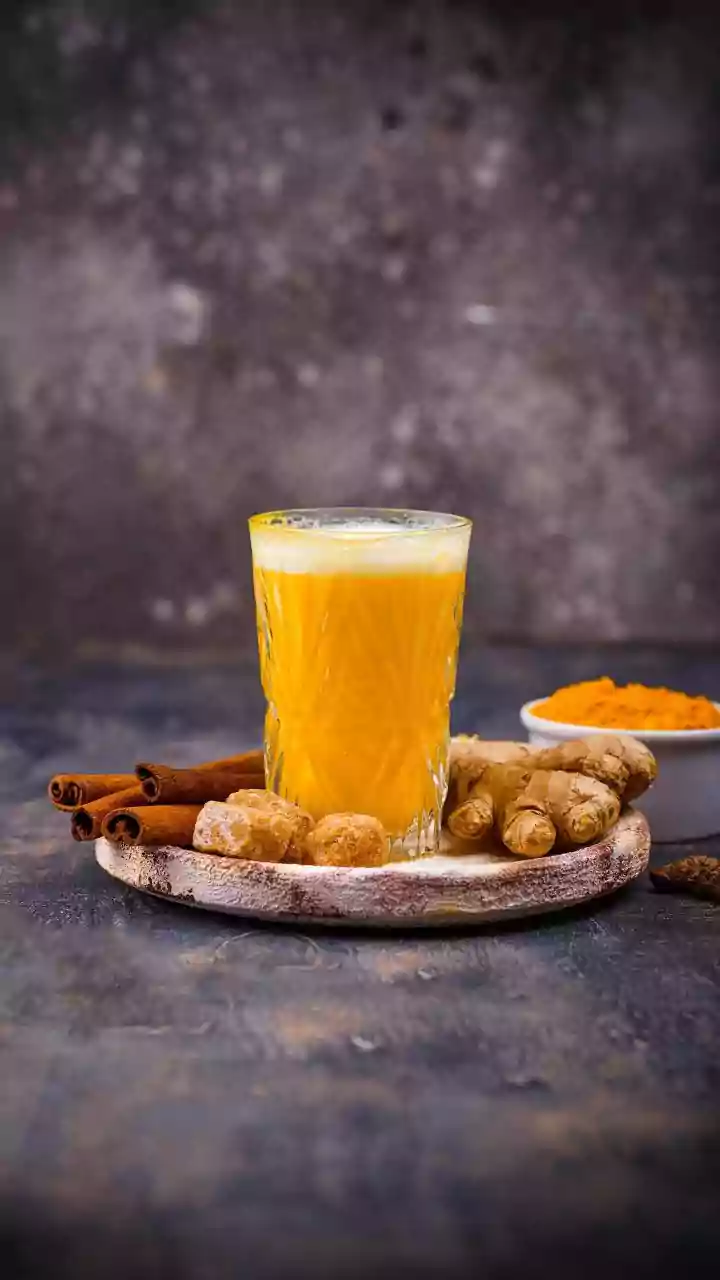
Indian spices are not just for flavour; they are a cornerstone of wellness during the monsoon. Ginger, turmeric, garlic, and black pepper are your best friends this season. Ginger aids digestion and helps soothe sore throats, while garlic has potent antimicrobial properties. Turmeric is a powerful anti-inflammatory agent that helps boost overall immunity. A warm, spiced kadha or herbal tea made with tulsi, ginger, and black pepper is a traditional and effective way to keep infections at bay. These spices help keep the body warm and support the compromised digestive fire.
Stay Hydrated the Warm Way
While you may feel less thirsty due to the cooler weather, staying hydrated is crucial for flushing out toxins. However, it's best to avoid ice-cold drinks and carbonated beverages, as they can dampen the digestive process and reduce mineral levels in the body. Instead, sip on warm or boiled water throughout the day. Warm drinks like herbal teas and freshly made soups are excellent choices. They not only keep you hydrated but also provide warmth and comfort, aiding digestion and helping to fight off infections.
Foods to Approach with Caution
Food safety is paramount during the monsoon due to the increased risk of waterborne diseases. It's widely advised to avoid street food, including pre-cut fruits and chaat. Leafy green vegetables like spinach and cabbage, which grow close to the ground, can be a source of contamination from dirt and bacteria; they must be washed meticulously and cooked thoroughly if consumed. Many experts suggest limiting raw foods like salads during this time. It is also a common practice to avoid or reduce seafood intake, as this is the breeding season for many fish, which can increase the risk of contamination.