







The Shifting Retail Landscape
For decades, the formula for a local business was simple: open a shop in a good location and serve the community that comes to you. Today, that model is being challenged by fundamental changes in consumer behaviour. With over 750 million internet users
in India, a significant portion of the shopping journey now begins online. Studies show that 73% of Indian consumers use multiple channels before making a purchase, and a staggering 96% research products online first. Relying solely on a physical storefront means missing out on this massive audience. This has led to the rise of an "omnichannel" approach, where businesses integrate their online and offline presences to create a seamless experience for the modern, channel-agnostic shopper.
Digital Doors: Social Media and Marketplaces
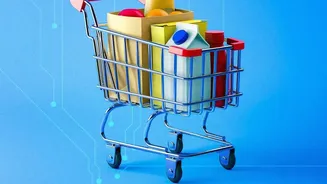
The most significant shift is the move into established digital ecosystems. Instead of investing heavily to build a standalone e-commerce site and drive traffic to it, many small businesses are setting up shop on platforms where customers are already spending their time. Online marketplaces offer immediate access to millions of shoppers, lower setup costs, and built-in trust. These platforms often handle complex logistics like payment processing and provide valuable customer data, which helps businesses refine their offerings. Similarly, social commerce on platforms like Instagram and Facebook allows brands to engage with customers directly, turning social interactions into sales opportunities. This direct engagement helps humanise the brand and builds a loyal community, not just a customer list.
Beyond the Screen: The Power of Pop-Ups
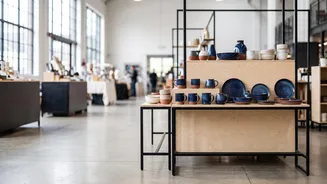
Meeting customers isn't just an online phenomenon. In the physical world, pop-up shops have emerged as a powerful strategy for brands of all sizes. These temporary retail spaces offer a low-risk way to test new markets, launch exclusive products, or simply create a buzz. The short-term nature of a pop-up creates a sense of urgency and exclusivity, encouraging customers to visit and make purchases on the spot. For online-only brands, pop-ups provide a rare chance for direct, in-person interaction, allowing customers to see and touch products, which can strengthen trust and loyalty in a way that digital ads cannot. These events also serve as powerful marketing tools, generating social media shares and word-of-mouth promotion.
The Financial and Strategic Advantages
This strategic pivot is heavily driven by financial pragmatism. Setting up on an online marketplace or launching a pop-up shop involves significantly lower upfront investment and overhead compared to a traditional, long-term retail lease. This cost-effectiveness reduces financial risk, which is a major advantage for small businesses. According to one survey, 85% of small businesses reported that using online marketplaces allowed them to reduce their overall expenses. Beyond cost savings, this approach provides strategic flexibility. Businesses can experiment with new products or concepts in a pop-up before a full-scale launch or use online analytics to understand customer preferences without massive investment. This agility allows businesses to adapt quickly to changing market demands.
Building a Resilient, Customer-Centric Future
Ultimately, the trend of going where customers are is about building a more resilient and customer-centric business model. Whether it's through a Google Business Profile that appears in local search, a compelling Instagram shop, a stall at a community market, or a partnership with another local establishment, the goal is the same: be visible and accessible at the moments that matter in the customer's journey. In a landscape where attention is fragmented, waiting to be found is no longer a viable strategy. By proactively placing themselves in the stream of their customers' daily lives, local businesses are not just finding new sales channels; they are forging stronger connections and securing their place in the future of retail.