








What is Chrononutrition?
Chrononutrition is the science of syncing your meals with your body's internal 24-hour clock, also known as its circadian rhythm. This internal clock doesn't just tell you when to feel sleepy or awake; it also controls digestion, metabolism, and hormone
release. The core idea is simple: eating in harmony with your body's natural daily cycles can lead to better health, including improved sleep. It’s not a restrictive diet focused on calories, but a lifestyle adjustment that prioritizes meal timing to optimize how your body functions throughout the day and night.
The Body Clock and Meal Timing
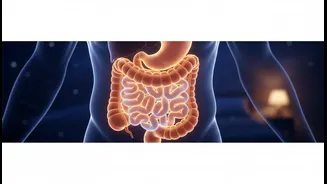
Your body's systems, including your digestive system, are not designed to work at full capacity 24/7. Metabolism is most active earlier in the day and naturally slows down in the evening as your body prepares for sleep. Think of it like this: your digestive organs have their own 'clocks' that are synchronised with your brain's master clock. When you eat a large meal late at night, you force your digestive system to work overtime when it should be winding down. This can throw your internal clocks out of sync, a state that researchers call circadian misalignment, which can disrupt sleep.
Why a Big Lunch is a Game-Changer
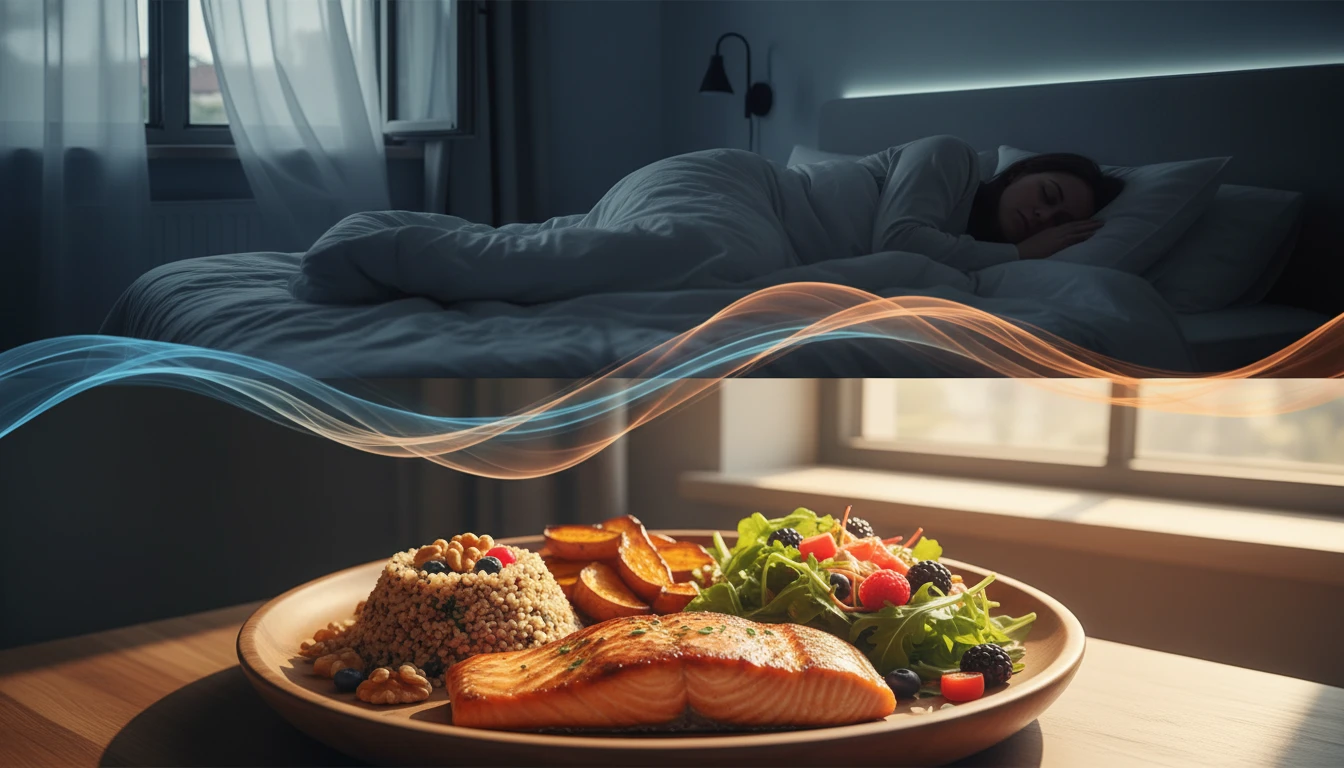
Following chrononutrition principles, making lunch your largest meal of the day is a key strategy for better sleep. Your body is best equipped to handle a larger intake of calories and nutrients during the middle of the day when your metabolism is at its peak. Consuming the bulk of your calories earlier helps regulate blood sugar levels and ensures your body has ample time to digest before you go to bed. A substantial lunch provides the energy you need for the rest of the afternoon, reducing the likelihood of reaching for sugary snacks or needing a heavy dinner to feel satisfied.
The Problem with Heavy, Late Dinners
A heavy meal close to bedtime is a recipe for a restless night. It can lead to several issues that sabotage sleep quality. Firstly, the process of digestion generates heat, known as diet-induced thermogenesis, which can raise your core body temperature just as it needs to be dropping to initiate sleep. Secondly, lying down with a full stomach can lead to digestive discomfort, bloating, and acid reflux, where stomach acid moves into the esophagus, causing heartburn. Studies show that eating late at night is associated with more awakenings and lighter, more fragmented sleep.
How to Make the Midday Meal Your Main One
Shifting your eating pattern can feel challenging, but you can make the transition gradually. Start by slightly increasing the size of your lunch while reducing your dinner portion. Aim to finish your evening meal at least two to three hours before you plan to sleep. This gives your body sufficient time for digestion. If you feel hungry in the evening, opt for a light, easily digestible snack like a piece of fruit or a handful of nuts. Consistency is also key; try to eat your meals at roughly the same times each day to help reinforce your body’s internal clock.