
From Sightseeing to Soul-Searching
The great Indian holiday is undergoing a profound change. For generations, travel was about visiting family or ticking off famous landmarks. Today, a new kind of journey is taking precedence, one that prioritises inner peace over a packed itinerary. Post-pandemic
reflections, coupled with rising levels of urban burnout, have accelerated a shift towards travel that heals, calms, and connects. Travellers, especially younger millennials and Gen Z, are no longer just asking 'where to go?' but 'why?'. They are seeking experiences that offer personal growth and mental recharge. This move from passive sightseeing to active well-being is the driving force behind the rise of wellness, spiritual, and nature-based tourism.
The Rise of the Wellness Sanctuary
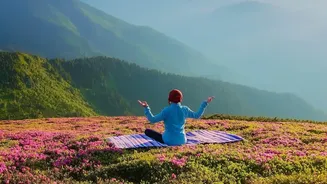
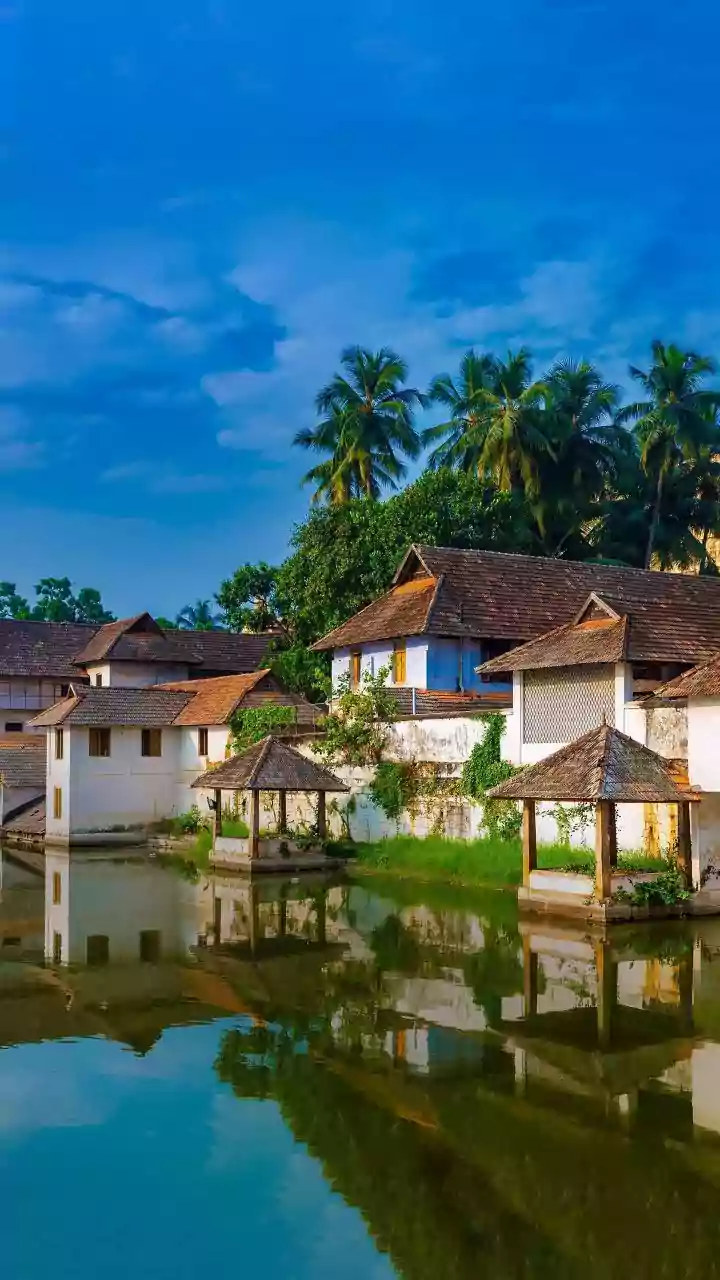
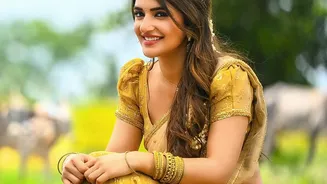
Wellness tourism is no longer a niche luxury but a booming industry in India. The market was valued at over USD 30 billion in 2026 and is projected to grow significantly. This growth is fuelled by a desire to combat the stresses of modern life. Travellers are flocking to destinations like Kerala and Uttarakhand, not just for scenic beauty but for their world-class Ayurvedic treatments, yoga retreats, and meditation centres. These are not just quick spa visits; they are immersive programmes focused on holistic health, digital detoxes, and mindful living. The government's 'Heal in India' initiative and simplified e-Ayush visas are further boosting this sector, making it easier for both domestic and international visitors to access India's ancient healing traditions.
A Modern Twist on Ancient Paths
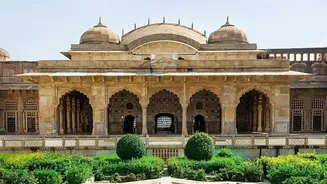
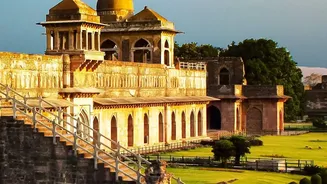
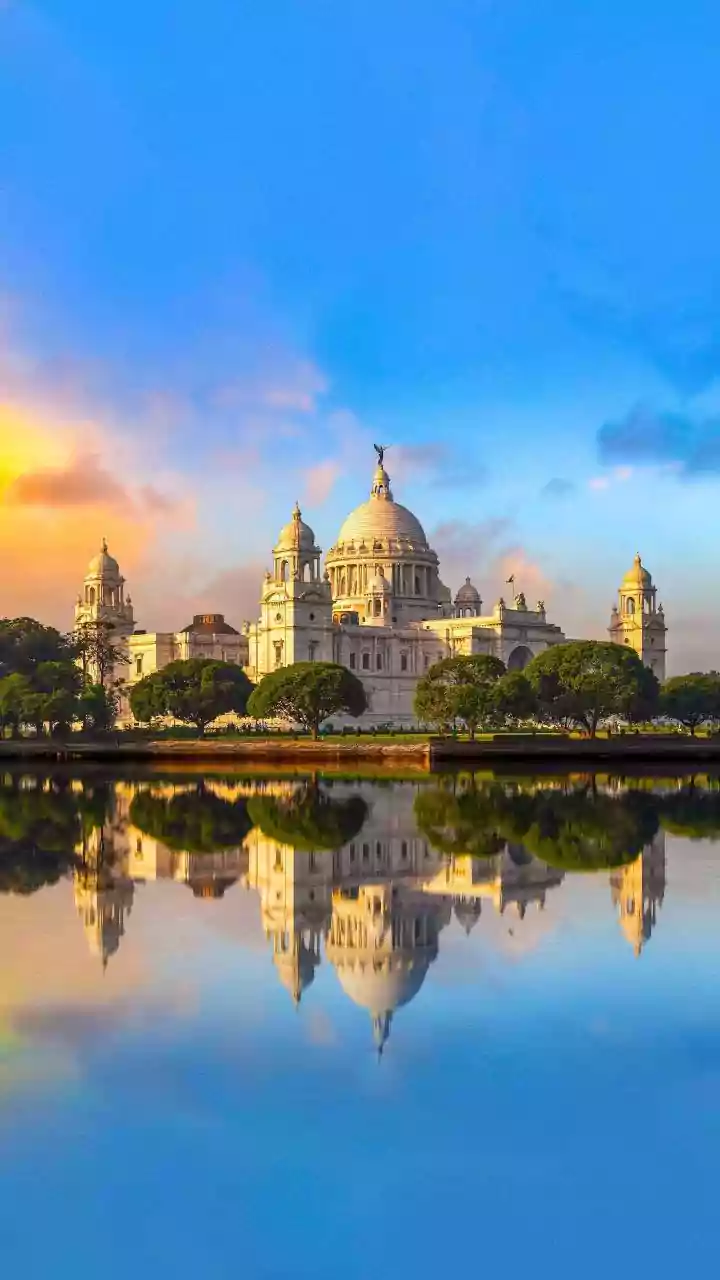
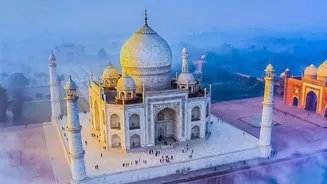
Pilgrimage has always been a cornerstone of Indian culture, but it is now being reimagined as 'spiritual tourism'. It's not just for the devout or the elderly anymore. A diverse and younger crowd is undertaking these journeys, seeking cultural immersion and a sense of connection to their roots. This sector saw revenues double to over USD 16 billion in 2022, a testament to its growing appeal. Destinations like Varanasi, Rishikesh, and circuits under the government's PRASHAD scheme are seeing renewed interest. The travel is often less about rigid religious observance and more about the personal, spiritual experience — finding peace by the Ganges, meditating in the Himalayas, or simply disconnecting from a hyper-connected world. Industry experts predict spiritual tourism could be worth nearly USD 59 billion by 2028, underscoring its economic and cultural significance.
Into the Wild: Nature as the Main Event
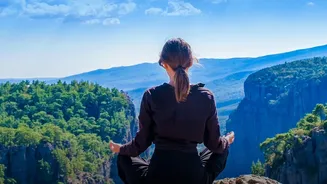
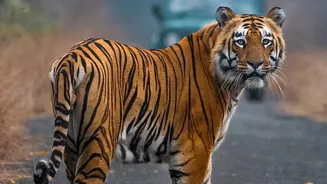
Parallel to the search for inner peace is a growing desire to reconnect with the natural world. Ecotourism and nature holidays are gaining immense popularity as travellers seek out unspoiled landscapes and sustainable experiences. This trend is about more than just visiting a national park; it’s about trekking through pristine forests, staying at community-run homestays, and engaging in responsible wildlife tourism. Destinations in the Himalayas, the Western Ghats, and the Northeast are becoming hotspots for those looking to escape the city and minimise their carbon footprint. With the Indian ecotourism market projected to expand significantly, this shift reflects a deeper consciousness about the planet and a desire for authenticity that mass-market resorts often cannot provide.
A New Landscape for Indian Travel
Together, these three trends are creating a new tourism landscape. The focus is shifting from large, impersonal hotels to smaller, experience-led properties like boutique wellness centres, eco-lodges, and heritage homestays. This diversification creates opportunities for local economies and promotes a more sustainable model of tourism. For the Indian traveller, the ultimate goal of a holiday is changing. It is no longer just about the photos you take, but about the sense of peace you bring back. It's less about the distance you cover and more about the personal journey you undertake.