



The Art of the Sizzle
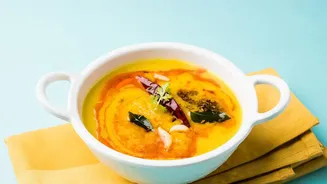
At the heart of countless Indian kitchens is a foundational technique known as 'tadka' or 'chaunk'. This method involves briefly frying whole or ground spices in hot fat, like ghee or oil, to build a base of flavour or to add a final aromatic flourish
to a dish. The sizzling sound is the marker of a chemical reaction where heat and fat work together to unlock the very essence of the spices. This technique can be used at the beginning of the cooking process, creating a flavour foundation for curries or vegetables, or poured over a finished dish, like dal or yogurt, for a dramatic and fragrant finish. While deeply rooted in South Asian tradition, the principle of blooming spices in fat is a universal culinary concept, seen in the way Chinese cooking infuses oil with Sichuan peppercorns or Mediterranean dishes bloom saffron.
The Science of Flavour Extraction
The magic of tadka is pure chemistry. Most of the aromatic compounds responsible for a spice’s unique flavour and scent—its essential oils—are fat-soluble, not water-soluble. This means simply boiling spices in water will leave much of their potential flavour trapped inside. When spices hit hot fat, the high heat ruptures their tough cellular walls, releasing volatile flavour compounds like terpenes and aldehydes. The hot oil or ghee acts as a solvent, extracting these oils and dissolving them, creating an infused fat that can then be distributed evenly throughout the entire dish. Laboratory analysis has shown that this method can release up to ten times more aromatic compounds than boiling spices in water. This ensures every bite is rich, balanced, and full-bodied, preventing the 'dusty' or flat taste that can occur when raw spice powders haven't been properly bloomed.
Unlocking 'Therapeutic' Properties
The term 'therapeutic' often comes up in relation to spices, and for good reason. For centuries, traditional medicine systems like Ayurveda have used spices for their health-promoting properties. Modern science is now beginning to understand the mechanisms behind these benefits. Many spices contain powerful bioactive compounds. Turmeric, for instance, contains curcumin, which is known for its anti-inflammatory effects, while piperine in black pepper is known to enhance the absorption of other nutrients. Sizzling these spices in fat does more than just release flavour; it can also make these beneficial compounds more bioavailable, meaning easier for the body to absorb and use. For example, fat-soluble vitamins and compounds like curcumin are better absorbed when consumed with fat. While this cooking method enhances the potential benefits, it's important to remember that spices in food support overall wellness rather than acting as a targeted treatment for medical conditions.
How to Master the Technique
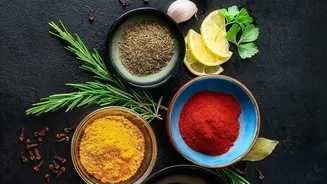
Executing a perfect tadka is a swift process that rewards preparation. Timing is everything. Start by heating your fat—ghee, coconut oil, or mustard oil are traditional choices depending on the region—in a small pan until it shimmers but doesn't smoke. The key is to add spices in sequence based on their density and how quickly they cook. Denser, whole spices like mustard seeds or cumin seeds go in first; listen for them to pop and crackle, a sign their essential oils are being released. Next, you might add items like dried chillies, lentils like urad dal, or aromatics such as ginger and garlic. Finely ground spices like turmeric or chilli powder are added last, often after taking the pan off the heat entirely, as their large surface area means they can burn in seconds. Once the spices are fragrant and infused into the shimmering oil, the tadka is immediately poured over your main dish, creating a final, transformative layer of aroma and taste.