





The Great Rebranding: From 'Soft' to 'Power' Skills
Let’s be honest: the term ‘soft skills’ has always been a bit of a problem. It positions crucial human abilities like communication, teamwork, and empathy as fluffy, secondary, and somehow less valuable than ‘hard skills’ like coding or data analysis.
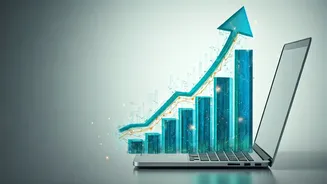
But the tide is turning. In boardrooms and HR departments across India and the world, these are now being called ‘power skills’. This isn't just a marketing gimmick; it's a fundamental recognition that in today's economy, these capabilities are what drive performance, innovation, and leadership. Unlike technical skills which can have a short shelf life, abilities like critical thinking and adaptability are durable advantages that are difficult to automate and even harder for competitors to replicate. A recent study even found that a 12-month soft skills training program at an Indian garment manufacturer yielded a staggering 250% return on investment, primarily through increased productivity.
Why Now? The AI and Remote Work Effect
Two major forces are accelerating this shift: the rise of artificial intelligence and the permanence of flexible work models. As AI and automation take over routine, repetitive, and data-heavy tasks, the skills that remain uniquely human have become more valuable than ever. AI can analyse a spreadsheet in seconds, but it can’t navigate a complex negotiation, inspire a demoralised team, or resolve a conflict between colleagues. These are the gaps that humans fill. According to LinkedIn, 92% of talent professionals now agree that soft skills are as important or even more important than technical skills. Furthermore, in a hybrid or remote work environment, the ability to communicate clearly, manage your own time effectively, and collaborate with people you may rarely see in person is no longer optional—it's essential for keeping teams connected and productive.
Meet the New In-Demand 'Power Skills'
While the list of valuable human skills is long, a few consistently top the list of what employers are looking for right now. The World Economic Forum identifies analytical and creative thinking as top skills needed by 2026. Other extensive analyses point to a core set of capabilities that are in high demand across industries. These include: Adaptability and Resilience: The ability to pivot in the face of change and learn from setbacks is crucial in a constantly evolving market. Emotional Intelligence (EQ): Understanding and managing your own emotions and recognising them in others is the foundation of effective leadership, teamwork, and client relations. Communication & Collaboration: This goes beyond just speaking clearly. It involves active listening, articulating complex ideas simply, and fostering teamwork to achieve shared goals. Creative Problem-Solving: As AI handles the knowns, the ability to tackle ambiguous, complex problems with innovative solutions becomes a key human advantage.
From Buzzword to Business Metric
Companies are no longer just talking about these skills; they're actively hiring for them and investing billions to cultivate them. Google's famous 'Project Aristotle' study found that the number one factor for its most successful teams was not technical expertise, but psychological safety—a direct outcome of soft skills like empathy and emotional awareness. Recognising this, global giants like Amazon and Microsoft are pouring billions into upskilling their workforce, with a significant emphasis on human-centric skills alongside AI literacy. In India, the National Education Policy (NEP) 2020 has also placed a strong emphasis on integrating skills like critical thinking and collaboration into the curriculum, signalling a systemic shift towards valuing these capabilities from the ground up. Employers know that a workforce rich in these skills leads to better employee retention, higher productivity, and a more resilient and innovative company culture.