







The Science of a Post-Dinner Stroll
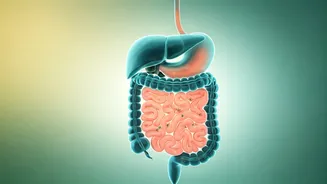
The wisdom of taking a walk after a meal is more than just an old-fashioned tradition; it's backed by modern science. When you walk, you engage in gentle physical activity that stimulates your stomach and intestines. This movement, known as peristalsis,
helps move food through your digestive tract more efficiently. As a result, food spends less time sitting in your stomach, which can alleviate feelings of excessive fullness, bloating, and gas. One small study even found that a 10 to 15-minute walk after meals helped reduce various gastrointestinal symptoms for people who frequently experience bloating. This simple act of moving your body works with gravity and gentle muscle contractions to support the complex work of digestion.
Balancing Blood Sugar Levels
One of the most significant benefits of an evening walk is its effect on blood sugar. After you eat, particularly a meal rich in carbohydrates, your blood glucose levels naturally rise. A short walk helps your muscles use this glucose for energy, effectively pulling sugar out of your bloodstream. Research has shown that walking for as little as 10 to 15 minutes after a meal can significantly reduce the post-meal blood sugar spike. This is particularly important for individuals managing insulin sensitivity or diabetes, but it's a benefit everyone can enjoy, as stable blood sugar levels help prevent energy crashes and cravings.
More Than Just Digestion
The advantages of an evening stroll extend well beyond your gut. This low-impact activity contributes to better heart health by improving circulation and helping to manage blood pressure over time. It’s also a wonderful tool for stress reduction. A gentle walk can help lower levels of the stress hormone cortisol, allowing your nervous system to transition from a state of alertness to one of rest and recovery. This calming effect can lead to improved sleep quality, helping you fall asleep faster and enjoy a more restful night. Incorporating this habit can also contribute to weight management by burning a few extra calories and boosting your metabolism.
Perfecting Your Pace and Timing
To get the most out of your post-dinner walk, timing and intensity matter. Most experts recommend waiting about 10 to 15 minutes after finishing your meal before you start walking. This gives your body a moment to begin the digestive process. The ideal duration is between 10 and 20 minutes; studies show this is enough to gain significant benefits without being a major time commitment. The pace should be leisurely and comfortable—think of it as a stroll, not a power walk. High-intensity exercise can sometimes divert blood away from the digestive system and cause discomfort, so a gentle pace is key to supporting, not hindering, digestion.
Making It a Lasting Habit
The key to reaping the long-term rewards is consistency. The beauty of an evening walk is its simplicity. You don't need any special equipment beyond a comfortable pair of shoes. To make it a regular part of your routine, try linking it to your dinner. Once the dishes are cleared, it's time for your walk. You can make it more enjoyable by listening to a podcast, some music, or simply using the time for mindful reflection. Walking with a partner, family member, or pet can also provide connection and accountability. Start small with just five or ten minutes, and you'll find it quickly becomes a relaxing and beneficial ritual you look forward to at the end of the day.