







The Science of a Perfect Idli Batter
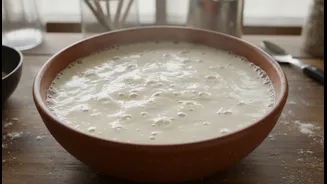
At its heart, idli batter is a living ecosystem. When you soak and grind rice and urad dal, you are preparing a feast for naturally occurring microorganisms. The key players are Leuconostoc mesenteroides and other lactic acid bacteria (LAB), along with
wild yeasts. In the initial hours of fermentation, these microbes work in harmony. The yeasts and some bacteria produce carbon dioxide gas, which gets trapped in the thick batter, causing it to rise and creating the light, porous structure essential for fluffy idlis. This leavening stage is what transforms a simple grain paste into a potential steamed delicacy.
The Villain: Lactic Acid Overload
Fermentation is a delicate balance. While the initial activity creates fluffiness, a different process takes over as time goes on. Lactic acid bacteria begin to dominate, converting sugars in the batter into lactic acid. A certain amount of lactic acid is desirable; it contributes to the characteristic tangy flavour of idli and acts as a natural preservative by lowering the batter's pH, which inhibits harmful microbes. However, this is where things can go wrong. If fermentation, or 'proving', continues for too long, lactic acid accumulates excessively. This condition, known as over-fermentation, is the primary cause of several idli defects. The batter becomes excessively sour, and its texture changes, often leading to idlis that are sticky, dense, or even rubbery after steaming.
Proving Perfect: Why Shorter Is Often Better
The term 'proving' simply refers to the fermentation period. The key to avoiding sticky idlis is to halt this process at its peak—after the batter has risen sufficiently but before excessive lactic acid ruins its texture. There is no universal magic number for fermentation time; it is highly dependent on temperature. In warm, humid climates, the ideal fermentation might take just 6 to 8 hours. In colder environments, it could require 12 hours or more. Many traditional recipes call for an overnight ferment, but this is a guideline, not a strict rule. Relying solely on the clock, especially in warmer weather, is the fastest route to an over-fermented, sticky, and unpleasantly sour batter.
Your Guide to Controlled Fermentation
Instead of watching the clock, learn to read your batter. A perfectly fermented batter will have doubled in volume, be full of tiny bubbles, and have a pleasant, mildly tangy aroma. One of the best indicators is the 'float test': drop a small spoonful of batter into a bowl of water. If it floats, it's airy and ready. If it sinks, it needs more time. Once the batter reaches this stage, you must halt or slow the fermentation by placing it in the refrigerator. This is the crucial step to prevent the over-accumulation of lactic acid. Remember, temperature is your main control. In winter, you might need to place your batter in a warm spot, like an oven with the light on, to encourage fermentation. In summer, you will need to refrigerate it much sooner.
Beyond Fermentation: Other Idli Saboteurs
While over-proving is a major cause of stickiness, other factors can also lead to disappointing results. The consistency of your batter is critical; a batter that is too thin or watery will result in flat, damp idlis, regardless of fermentation. The ratio of rice to dal is also important, with a 4:1 ratio being a common standard for achieving a good balance of structure and softness. Finally, the steaming process itself matters. Always place your idli plates into a steamer only after the water has come to a rolling boil, and steam for about 10 minutes on a high flame. Over-steaming can also make idlis hard and rubbery.