






The Menu Marathon
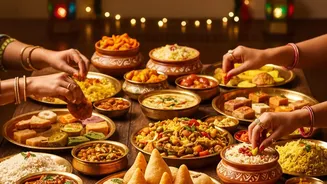
Long before the first guests arrive, chefs and caterers are deep into menu engineering. This process begins months in advance, balancing timeless festive staples with contemporary twists that can capture diners' attention. For festivals like Navratri,
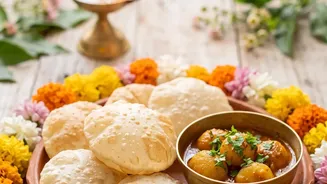
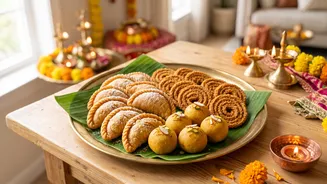
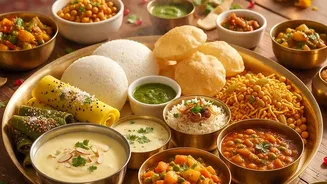
this means creating dedicated fasting menus with ingredients like buckwheat flour and sabudana. For Diwali and Christmas, it involves crafting special thalis, multi-course meals, and unique desserts that evoke a sense of celebration. The goal is to create limited-time offerings that feel special and create a sense of urgency. Caterers must also be strategic, designing menus that can be executed flawlessly for hundreds, or even thousands, of guests. This often involves a mix of dishes that can be prepared in large batches and 'live counter' items that add a touch of theatre to the event.
Sourcing on a Grand Scale
Sourcing ingredients during the festive season is a monumental task. Demand for everything from vegetables and spices to premium meats and dairy soars, creating a high-pressure environment for procurement teams. A caterer preparing for a single 500-guest wedding might need to procure a volume of ingredients equivalent to a week of normal operations. Volatile prices and supply chain disruptions are significant challenges. Any delay or shortage can have a cascading effect, forcing last-minute menu changes. To mitigate this, businesses lock in orders for key supplies, including specialized packaging, months in advance. They build demand scenarios, reserve warehouse capacity, and position fast-moving stock closer to their kitchens to ensure they can meet the surge.
The Human Element
A festive menu is nothing without the people to prepare and serve it. The festive season triggers a massive hiring surge across the hospitality industry. Restaurants and caterers often double or triple their workforce, bringing in temporary pickers, packers, kitchen help, and delivery personnel to cope with the increased volume. Training this temporary influx of staff to meet high standards of service and hygiene is a critical challenge. Experienced head chefs are tasked with managing these expanded teams, ensuring consistency across thousands of plates while working under intense pressure. It’s an environment that requires flexibility, teamwork, and the ability to handle long shifts, including weekends and holidays, to keep operations running smoothly.
An Army of Logistics
Getting hot, fresh food to numerous locations on time is perhaps the most complex part of festive catering. Unlike a restaurant, where food travels from the kitchen to a nearby table, catering involves intricate, time-sensitive logistics. For large events like weddings, a single caterer might be consolidating food from several different vendors, all of which must arrive at the venue within a tight two-to-four-hour window. The delivery itself is a one-shot operation; a delay is a failure. Furthermore, every event requires a 'reverse loop' for returnable equipment like chafing dishes, serving counters, and glassware, which must be collected post-event, often late at night. This entire process is governed by strict food safety compliance, including temperature controls and vehicle hygiene.
Modern Solutions and Marketing
To manage the chaos, many businesses are turning to technology. AI-driven forecasting helps predict demand, while logistics platforms help manage fleets and ensure timely deliveries. In the kitchen, menu engineering software helps balance costs with customer preferences. The festive rush is also a prime marketing opportunity. Restaurants transform their spaces with themed decor to create an inviting atmosphere. They use social media not just to post offers, but to give customers a behind-the-scenes look at their preparations, from chefs crafting new dishes to time-lapses of the venue being decorated. Collaborations with local food influencers and well-timed email campaigns are used to highlight new menus and drive footfall during this crucial period.