








Waterproof vs. Water-Resistant: Know the Difference
The first step is understanding the labels. 'Water-resistant' gear can handle light showers for a short time, but it will eventually soak through in a proper downpour. These fabrics are typically treated with a Durable Water Repellent (DWR) coating that
makes water bead up and roll off, but this protection is limited. 'Waterproof' gear is designed to provide a complete barrier against rain. For a true Indian monsoon, anything less than fully waterproof is simply not enough. The difference lies in construction: waterproof items use membranes and sealed seams to block water from getting through.
The Crucial Role of Seam Sealing
Even the best waterproof fabric will fail if its seams aren't sealed. Every stitch in a garment creates tiny needle holes that water can penetrate, especially during heavy, sustained rain. Seam sealing is the process of applying a waterproof tape over these stitched areas to create an impenetrable barrier. For maximum protection, look for gear with 'fully taped seams', which means every single seam has been sealed. 'Critically taped seams' only cover the most exposed areas like the shoulders and chest, which might not be enough for a torrential downpour.
Breathability: Your Best Friend in Humidity
Staying dry from the rain is only half the battle; you also need to stay dry from your own sweat. India’s high humidity means that non-breathable raincoats, like those made from cheap plastic or PVC, can quickly turn into a personal sauna. They trap moisture and body heat, leaving you feeling sticky and clammy. Look for gear made from breathable fabrics, often featuring a membrane with microscopic pores that are large enough to let sweat vapour out, but too small for water droplets to get in. Features like 'pit zips' (zippers under the armpits) also provide much-needed ventilation during active use.
Construction Details That Keep You Dry
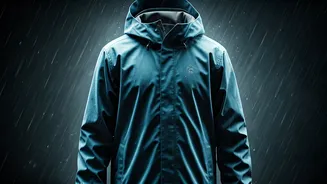
Beyond the fabric, smart design features make a huge difference. A sturdy, adjustable hood that provides good coverage without blocking your vision is essential. Storm flaps—flaps of fabric that cover the zippers—are critical for preventing water from seeping through the zipper teeth. Adjustable cuffs at the wrists and a drawstring at the hem allow you to seal yourself off from wind and rain. For commuters, especially on two-wheelers, reflective elements are a vital safety feature for visibility in low light and heavy rain.
Choosing Your Armour: Jackets, Trousers, and Ponchos
The right type of gear depends on your lifestyle. A jacket-and-trouser combination offers the most complete protection and is ideal for daily commuters who face puddles and splashes. Look for rain pants that are easy to slip on over your regular clothes. For scooter and motorcycle riders, a long, full-body poncho might offer better coverage for both you and your seat, but can be less secure in high winds. Whatever you choose, ensure the fit allows for layering without being too bulky, as you might need to wear it over office attire or other clothing.