



The Sun’s Fiery Rhythm: Solar Cycle 25
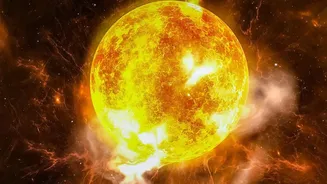
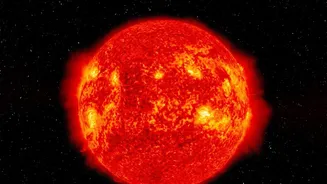
The sun operates on a roughly 11-year cycle, swinging between a quiet period known as solar minimum and a turbulent peak called solar maximum. We are currently in Solar Cycle 25, which began in December 2019. While initial forecasts suggested this would
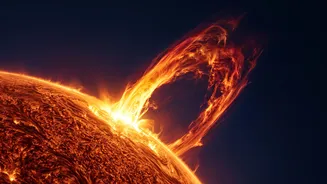
be a relatively weak cycle similar to the last one, the sun has been significantly more active than expected. This increased activity means more sunspots, which are magnetically complex regions on the sun's surface that act as launching pads for massive eruptions of energy: solar flares and coronal mass ejections (CMEs). As we move through the maximum phase in 2026, the frequency and intensity of these solar storms are expected to remain high, increasing the risk for Earth-orbiting technology.
Flares and CMEs: A Double Threat
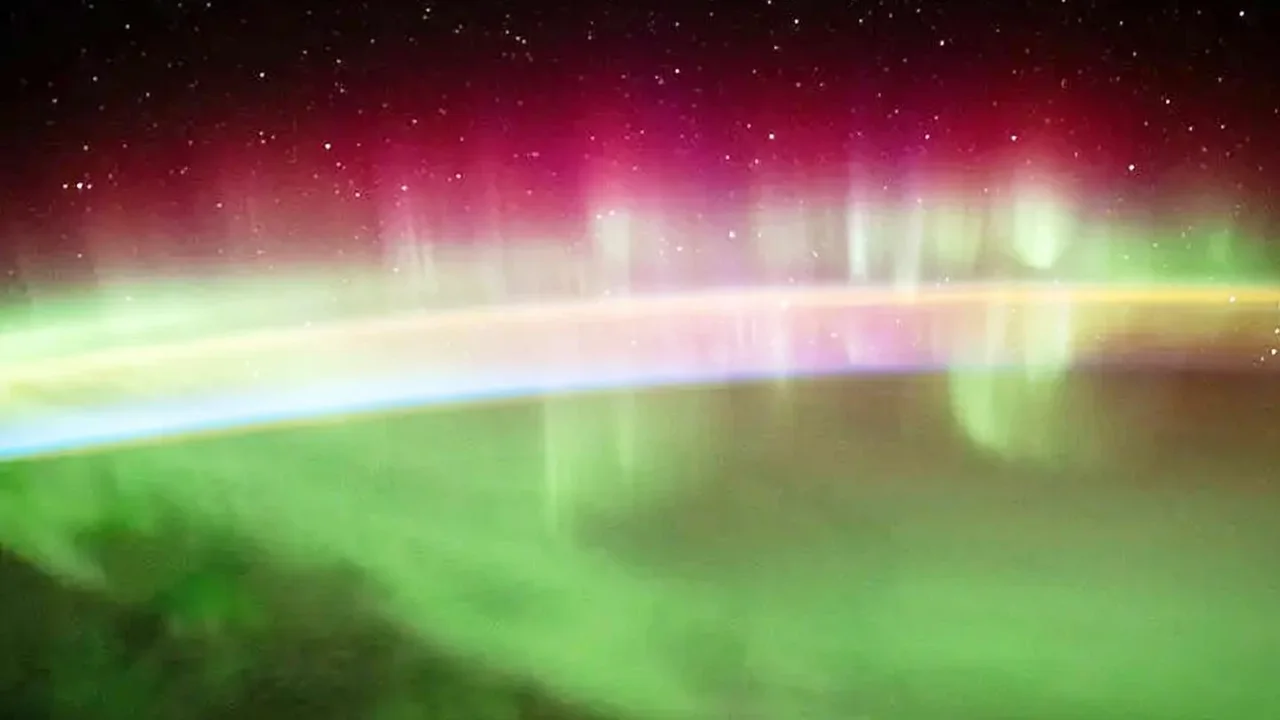
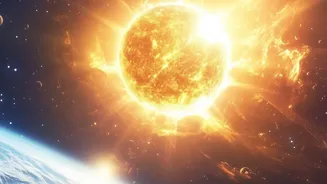
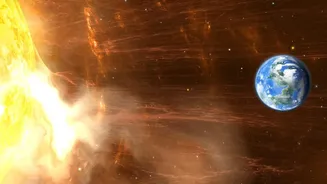
Solar flares are intense bursts of radiation that travel at the speed of light, reaching Earth in just over eight minutes. They can immediately interfere with high-frequency radio communications used by aircraft and cause disruptions to navigation systems. Coronal mass ejections, or CMEs, are even more powerful. These are giant clouds of solar plasma and magnetic fields that erupt from the sun, traveling more slowly and taking one to three days to reach Earth. When a CME slams into our planet’s magnetic field, it can trigger a geomagnetic storm, a major disturbance that has the potential to cause widespread technological chaos. The concern during a solar maximum is that both types of events become more common and more powerful.
How Solar Storms Wreak Havoc on Satellites
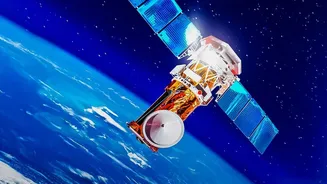
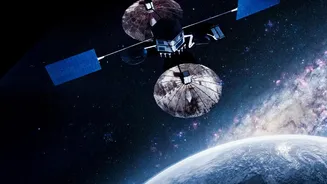
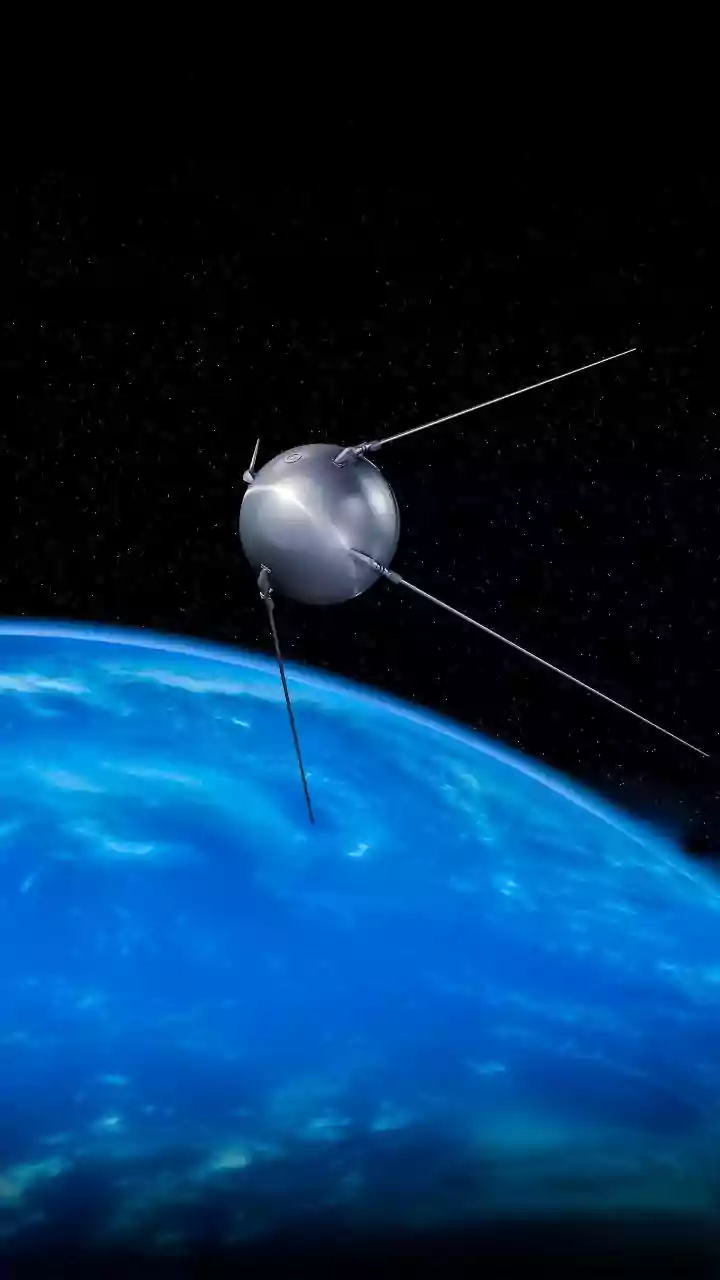
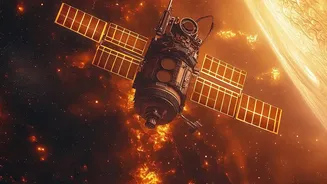
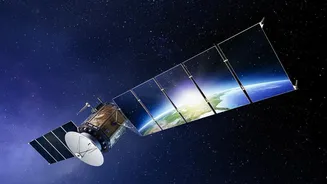
Satellites are particularly vulnerable to solar storms because they operate outside the full protection of Earth's atmosphere. The impact is threefold. First, increased atmospheric drag: the energy from a geomagnetic storm heats and expands Earth's upper atmosphere. This denser air creates more drag on satellites in low-Earth orbit (LEO), causing them to lose altitude. Without correction, their orbits can decay, potentially leading to premature re-entry or collisions with other satellites and space debris. Second, radiation damage: high-energy particles released during a solar event can bombard a satellite's sensitive electronics. This can cause 'single-event upsets' where memory bits are flipped, leading to phantom commands or system errors. Over time, this radiation also degrades solar panels, reducing a satellite's power and shortening its operational lifespan. Third, spacecraft charging: the influx of charged particles can create a voltage differential on a satellite's surface, leading to electrostatic discharges—essentially a short-circuit in space that can damage or destroy critical components.
Real-World Disruptions for India
The consequences of satellite disruptions are not abstract; they affect daily life. A significant solar storm could degrade GPS signals, impacting everything from the navigation apps we use for getting around to the timing signals essential for financial transactions and cellular networks. Satellite television services could experience interruptions, and long-distance radio communication could become unreliable. Given India's growing reliance on space-based technology, including its own NavIC navigation system and a vast network of communication and earth-observation satellites, the stakes are high. While India's space agency, ISRO, actively monitors solar activity with missions like Aditya-L1, our increasing dependence on a seamless digital infrastructure makes us more vulnerable than ever to the sun's whims.
Can We Defend Our Digital Sky?
We cannot stop solar flares, but we can prepare for them. Space weather prediction has become a global priority, with agencies like NOAA and ISRO using satellites to monitor the sun for signs of an impending eruption. These warnings can give satellite operators precious hours to take protective measures, such as putting satellites into a 'safe mode' to shield their most sensitive electronics or postponing manoeuvres. Engineers are also designing more resilient hardware, with better shielding and error-correcting software to withstand the harsh radiation environment of space. However, an extreme event on the scale of the 1859 Carrington Event, which crippled telegraph systems worldwide, could overwhelm modern defences and cause extensive damage.