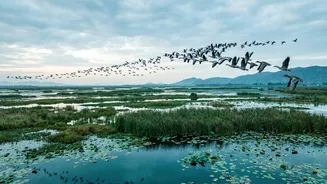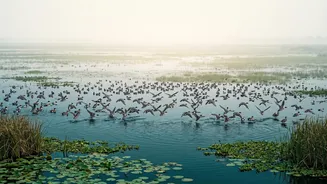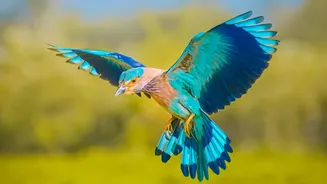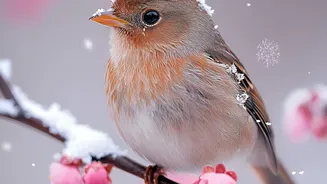







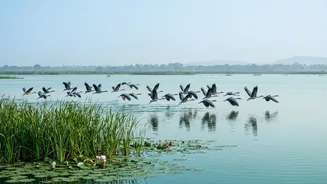
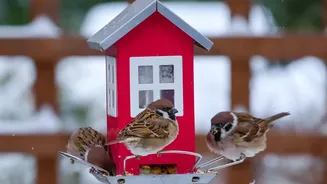
As winter's gentle chill settles over Rajasthan, a spectacular natural event begins. The wetlands of Bharatpur's Keoladeo National Park transform into a bustling, vibrant hub for thousands of winged visitors from distant lands.
A Uniquely Engineered Paradise
Formerly known as Bharatpur
Bird Sanctuary, Keoladeo National Park is not an entirely natural wetland. It's a marvel of ecological engineering with a rich history. The area, once a natural depression, was developed in the 18th century by the Maharajas of Bharatpur. They constructed bunds and canals, including the Ajan Bund, to flood the area, creating a perfect mosaic of marshes, woodlands, and grasslands. This man-made ecosystem, covering roughly 29 square kilometres, was initially a private duck-shooting reserve for royalty. In 1985, its global importance was recognised when it was declared a UNESCO World Heritage Site, celebrated for its incredible avian biodiversity.
The Great Winter Migration
The sanctuary's primary allure is its role as a crucial wintering ground for birds travelling along the Central Asian flyway. As freezing temperatures grip their northern homes in Siberia, China, and Central Asia, countless birds embark on an arduous journey south. Keoladeo offers them a perfect haven. The park's managed wetlands provide an abundant and reliable source of food, from fish and insects to aquatic plants, and safe roosting spots. The peak migratory season runs from October through March, with bird activity at its most spectacular between November and February. This annual congregation turns the park into one of the world's most incredible avian spectacles.
The Feathered Stars of the Show
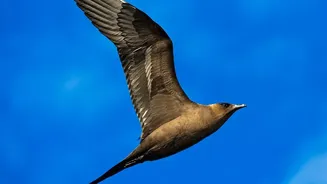
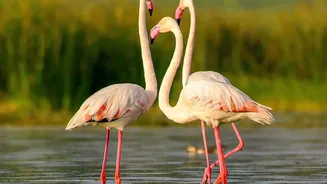
Visitors during the winter season can expect to see a breathtaking diversity of species. Huge flocks of waterfowl, including the Bar-headed Goose, Northern Pintail, Common Teal, and Garganey, are common sights. The park also hosts majestic cranes like the Common Crane and the resident Sarus Crane, the world's tallest flying bird. Waders, raptors, and songbirds add to the symphony of sights and sounds. You may spot Greater Spotted and Imperial Eagles, Marsh Harriers, and various wagtails and warblers. While the park was once famous for the critically endangered Siberian Crane, the last confirmed sighting was in the winter of 2001-02, a stark reminder of conservation challenges. Nonetheless, over 370 other bird species continue to make this sanctuary a vibrant destination.
More Than Just Migrants
While winter is peak season, Keoladeo is a year-round destination. The monsoon season, from July to September, is the breeding period for many resident birds. During this time, the park is lush and green, with heronries bustling with life. Species like Painted Storks, Spoonbills, Cormorants, and Darters raise their young in large, noisy colonies, offering a different but equally fascinating experience. The park is also home to around 30 species of mammals, including Nilgai (blue bull), Sambar deer, and Golden Jackals, which can be seen throughout the year.
Exploring the Sanctuary
One of the unique charms of Keoladeo is its accessibility. Private motor vehicles are not allowed inside, preserving the tranquil atmosphere. Visitors can explore the network of paved trails on foot, by renting a bicycle, or by hiring a cycle rickshaw. Many rickshaw pullers are trained and knowledgeable guides, adept at spotting and identifying birds and sharing insights about the park's ecosystem. Early morning and late afternoon are the best times for birdwatching, as the light is soft and the bird activity is at its peak. Hiring a guide is highly recommended to make the most of your visit and appreciate the complex life of the sanctuary.