


The Magic of a Monsoon Safari
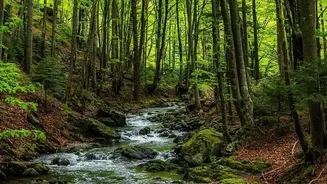
While many assume the rainy season is off-limits for wildlife viewing, a handful of national parks and sanctuaries offer a different kind of magic. The forests, washed clean by the rains, are lush, vibrant, and bursting with life. Dust settles, making
for cleaner air and clearer photographs with dramatic, overcast skies. The cacophony of birdsong intensifies, and the scent of wet earth fills the air. With fewer tourists, safaris are often quieter and more intimate. Animals may be more dispersed due to abundant water sources, but the experience is about soaking in the serene, rejuvenated atmosphere of the jungle. It is an opportunity for photographers to capture stunning landscapes and for nature lovers to see the forest in its most glorious state.
Periyar National Park, Kerala: A Lakeside Spectacle
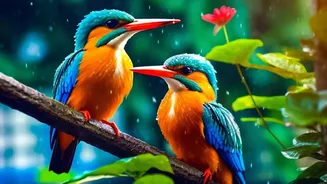
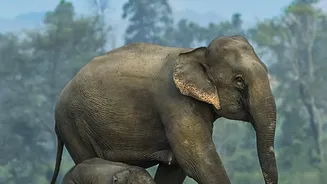
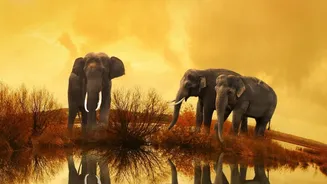
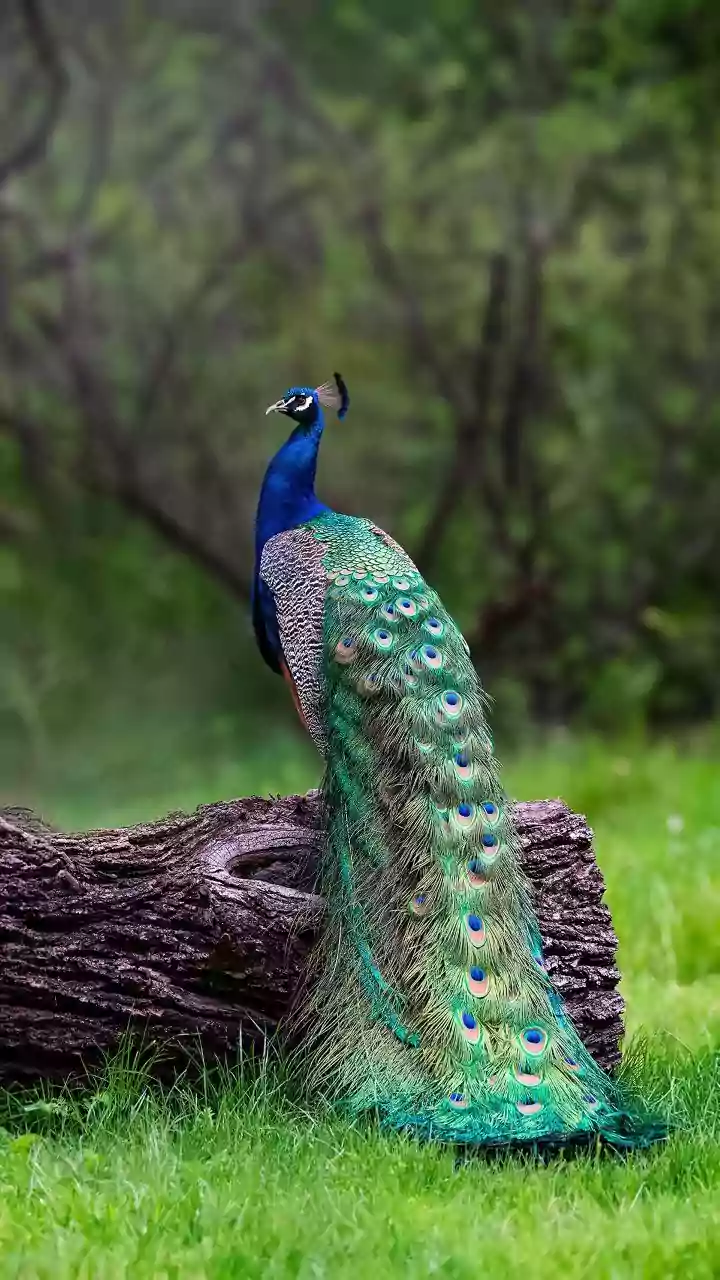
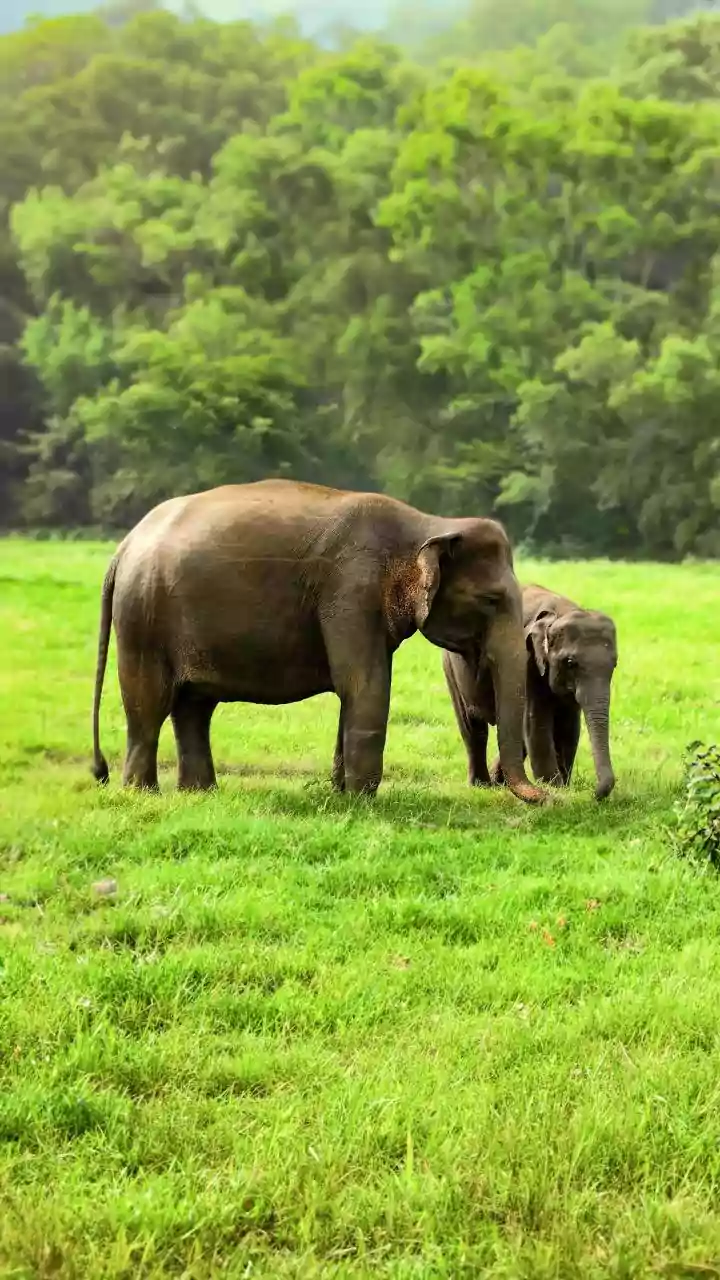
Down south in Kerala, Periyar National Park remains fully open and is arguably at its best during the monsoon. The park’s main attraction, a boat safari on Periyar Lake, continues uninterrupted, offering a unique vantage point to view wildlife. The rain-soaked forests of the Western Ghats that surround the lake become a haven for herds of elephants, which can often be seen playing and socialising by the water's edge. The lush environment also supports a rich diversity of birdlife, including the great Malabar hornbill, kingfishers, and cormorants. While tigers and leopards are residents, the monsoon experience in Periyar is more about the elephants, gaur (Indian bison), and the breathtakingly green scenery. The weather is mild, with average highs around 24°C, making for a pleasant exploration.
Tadoba-Andhari Tiger Reserve, Maharashtra: Buffer Zone Bonanza
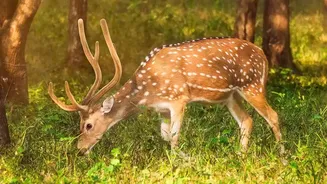
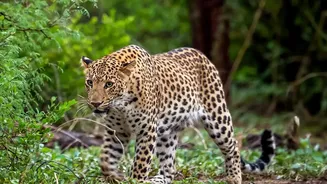
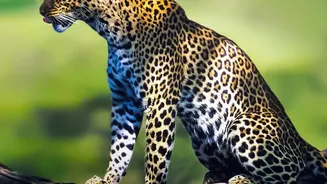
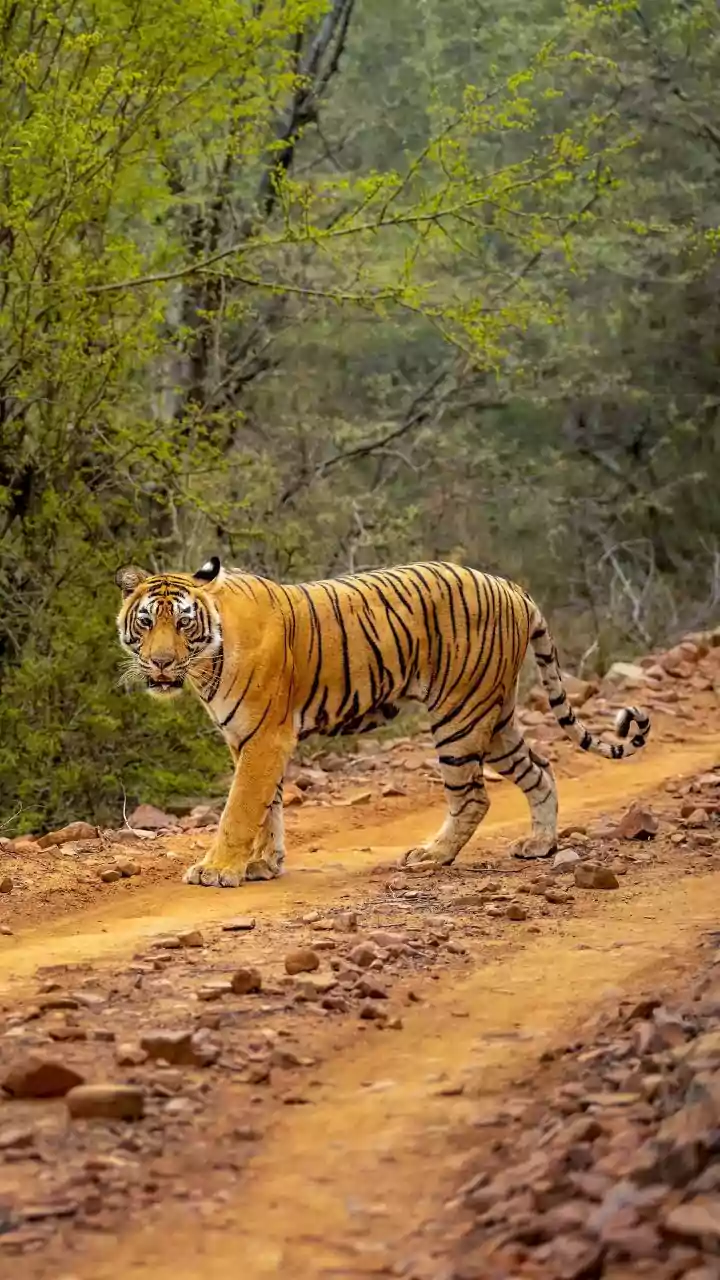
Tadoba is renowned for its high tiger density, and while its core areas close during the monsoon, the adventure continues in its buffer zones. Gates like Moharli, Kolara, and Junona remain open, providing access to forests that are teeming with wildlife. The monsoon offers a different dynamic for tiger spotting; with waterlogged undergrowth, tigers are sometimes known to use the drier safari tracks for movement, potentially offering excellent sightings. Beyond tigers, the rejuvenated bamboo forests are home to leopards, wild dogs, and sambar deer. The monsoon safari here is less crowded, offering a more raw and natural jungle experience with stunning green backdrops perfect for photography.
Ranthambore and Corbett: The Buffer Experience
Even India's most famous tiger parks offer limited monsoon access. In Rajasthan's Ranthambore National Park, while core zones 1-5 are closed, buffer zones 6-10 remain open for safaris through August. The Aravalli hills, typically arid, are draped in green, offering a startlingly different landscape. Similarly, in Jim Corbett National Park, Uttarakhand, buffer zones like Jhirna, Dhela, and Sitabani welcome visitors year-round. These areas host healthy populations of tigers and elephants. River rafting on the Kosi river can also be an exciting monsoon-specific activity. While sightings in the dense foliage can be challenging, the sheer beauty of these iconic parks in their monsoon attire is an attraction in itself.
Tips for Your Monsoon Adventure
A monsoon safari requires some practical preparation. Pack lightweight, quick-drying clothes and a reliable waterproof jacket. Sturdy, waterproof footwear with good grip is essential for navigating muddy trails. To guard against leeches, which are common in the wet forests, consider leech-proof socks. Protect your camera and electronic gear with waterproof bags or covers. Always check with park authorities before travelling, as heavy rains can sometimes lead to temporary route closures. Embrace the weather; the experience is less about ticking off a checklist of animals and more about immersing yourself in the vibrant, living jungle.