



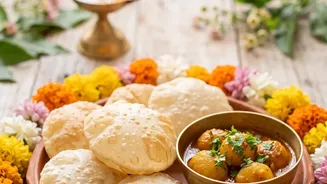
The intoxicating aroma of buttery, spiced vegetable mash is hard to resist. Pav bhaji is the undisputed king of Indian street food, but making it at home lets you control the ingredients and pack it with a medley of delicious vegetables.
The Heart of the Dish
Pav bhaji is a brilliantly
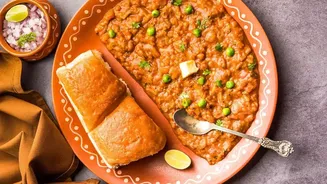
simple concept that delivers complex, satisfying flavours. The dish consists of two core components: the 'pav', which are soft, fluffy bread rolls, and the 'bhaji', a thick, flavourful mash of mixed vegetables cooked in a special blend of spices. Originally created in Mumbai as a quick and nutritious meal for textile mill workers, it has since become one of India's most beloved foods, found everywhere from street carts to upscale restaurants. The magic lies in the harmony between the soft, butter-toasted bread and the rich, savoury vegetable curry.
The Classic Vegetable Foundation
A traditional pav bhaji recipe relies on a core group of vegetables that create its signature taste and texture. Potatoes are essential, as they are easy to mash and act as a perfect base for absorbing the spices. Along with potatoes, the classic quartet includes cauliflower for bulk, tomatoes for tang and colour, and green peas for a hint of sweetness and texture. Onions and capsicum (bell pepper) are also fundamental, typically sautéed in butter to form the aromatic foundation of the masala base before the boiled vegetables are added.
Expanding Your Vegetable Palette
The beauty of homemade pav bhaji is its versatility. While the classics are essential, you can easily incorporate a wider range of vegetables to boost nutrition and add subtle new flavours. Carrots are a common addition, lending a gentle sweetness and vibrant colour. For a deeper red hue without excessive food colouring, a small amount of boiled and mashed beetroot is a popular trick. You can also sneak in vegetables like bottle gourd (lauki), green cabbage, and even French beans for added nutrients; just be sure to chop them finely and cook them until they are very tender so they mash seamlessly into the bhaji.
The Art of the Masala
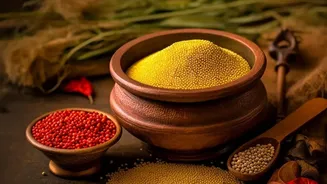
The soul of the bhaji is the pav bhaji masala, a unique spice blend that sets it apart from other curries. This aromatic mix typically contains coriander, cumin, fennel seeds, cinnamon, cloves, black pepper, and dried red chillies, with dried mango powder (amchur) providing a characteristic tanginess. While high-quality store-bought masalas are widely available, you can also make your own by dry-roasting the whole spices until fragrant and grinding them into a fine powder. The key is to cook the onion-tomato base until the butter separates, then fry the pav bhaji masala for a minute to release its full aroma before adding the mashed vegetables.
Putting It All Together
The process is straightforward. First, boil your chosen vegetables (potatoes, cauliflower, carrots, peas, etc.) until they are fork-tender. While they cook, heat a generous amount of butter in a large, heavy-bottomed pan or kadai. Sauté finely chopped onions until translucent, then add ginger-garlic paste and chopped capsicum. Next, add finely chopped tomatoes and cook until they become soft and pulpy. Stir in your pav bhaji masala and other powdered spices like Kashmiri red chilli powder for colour. Add the boiled vegetables along with some of their cooking water and begin mashing everything together directly in the pan with a potato masher. Continue to mash and simmer for at least 10-15 minutes, allowing the flavours to meld and the bhaji to thicken into a rich, cohesive curry.
Serving Street-Style
To serve, melt butter on a tawa or griddle. Many street vendors sprinkle a pinch of pav bhaji masala into the butter for extra flavour. Slit the pav buns horizontally and toast them on the griddle until they are golden brown and lightly crisp. Ladle the hot bhaji onto a plate, top it with a dollop of butter, and garnish with finely chopped raw onion and fresh coriander leaves. A wedge of lemon on the side is non-negotiable, as a final squeeze of juice brightens all the flavours just before eating.