





More Than Just a Pretty Space
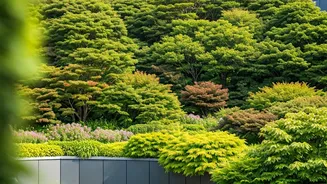
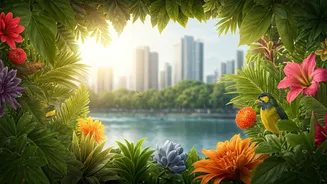
When we think of a terrace garden, we might picture a few ornamental potted plants and a comfortable chair. But a growing movement across India is pushing this concept further, creating complex, layered ecosystems on rooftops. These are not just gardens;
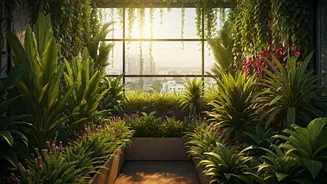
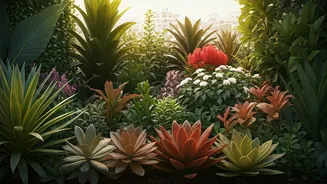
they are intentionally designed habitats. By moving beyond aesthetics and focusing on ecological function, these green terraces become true nature hotspots. A study of 50 domestic gardens in Bangalore found a staggering 2,185 insects from 10 different orders, with diversity increasing based on the variety of vegetation and reduced pesticide use. This demonstrates that even small, private green spaces, when cultivated thoughtfully, can become bustling centres of life. The idea is to create a system that mimics a natural environment, attracting a web of life that was previously absent from the urban core.
An Open Invitation for Urban Wildlife
These elevated oases act as a welcome mat for a surprising array of urban wildlife. For creatures struggling with habitat loss due to urban expansion, a well-planted terrace is a lifeline. They provide crucial stopover points for migratory birds, offering food and rest on long journeys. One study in New York City found that 70% of the 37 bird species observed were found only on green roofs, which had six times more insect diversity than traditional roofs. In Delhi, one 23-year-old conservationist, Aman Sharma, has cultivated over 500 plant species on his terrace, which now attracts over 100 bird species and 25 types of butterflies. These spaces become sanctuaries for pollinators like bees and butterflies, which are essential for urban biodiversity. By including native plants, water sources, and varied plant structures, terrace gardeners can create a thriving habitat for everything from tiny insects to colourful birds.
Beating the Urban Heat
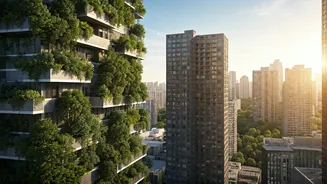
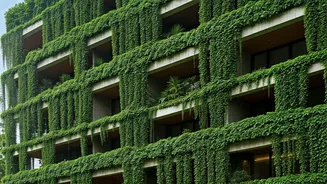
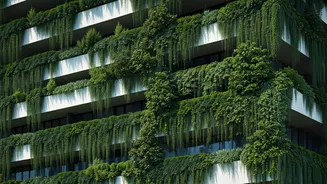
Beyond their role as wildlife havens, green terraces provide significant environmental benefits for the entire city. One of the most critical is their ability to combat the "urban heat island effect," a phenomenon where cities are significantly warmer than surrounding rural areas because materials like concrete and asphalt absorb and retain heat. Studies have shown that a green roof can lower surface temperatures by as much as 20°C compared to a conventional concrete roof. This cooling happens through shading and a natural process called evapotranspiration. The impact is substantial: cooler buildings require less energy for air conditioning, which in turn reduces greenhouse gas emissions. These gardens also improve air quality by filtering pollutants and capturing harmful airborne particles.
A Movement Taking Root in India
This trend is gaining noticeable momentum across Indian cities. In Bengaluru, a mechanical engineer named Venkataraman has designed a 600-square-foot "forest" on his terrace with over 100 plant varieties that successfully withstands heavy monsoon storms. His project showcases how rooftops can do more than just hold water tanks; they can manage rainwater, cool homes, and bring biodiversity back into neighbourhoods. In Delhi, conservation biologist Neha Sinha cultivates a terrace garden specifically for pollinators, providing a sanctuary for bees and butterflies. From Kolkata to Ludhiana, individuals are converting their private spaces into productive and ecologically valuable gardens. These efforts, often led by passionate individuals, are creating green corridors that connect fragmented city habitats, offering a glimpse into a more sustainable urban future for India.
The Blueprint for a Biodiverse Terrace
Creating a nature hotspot doesn't require a massive space, but it does require a thoughtful approach. The key is to think like an ecosystem. This starts with choosing native plants, which are adapted to the local climate and provide the right food for local wildlife. Incorporating a variety of plant types and heights—from ground cover to small shrubs—mimics natural habitats and provides shelter for different species. Providing a small, shallow water source can attract a host of thirsty visitors. Perhaps most importantly, avoiding chemical pesticides allows beneficial insects to thrive, forming the foundation of a healthy food web that will, in turn, attract birds and other creatures. Leaving some areas a bit 'wild' and allowing plants to go to seed provides continuous food sources throughout the seasons.