





Why Fibre Matters and Refined Grains Don't
Dietary fibre is a plant-based carbohydrate that our bodies can't digest, and it plays a crucial role in our health. It aids digestion, helps maintain a healthy weight, and can lower the risk of heart disease and type 2 diabetes. High-fibre foods keep
you feeling full and satisfied for longer. Refined grains, like white rice and maida (all-purpose flour), have been stripped of their most nutritious parts—the bran and germ. This process removes most of the fibre, vitamins, and minerals, leaving behind simple carbohydrates that can cause sharp spikes in blood sugar. Over time, a diet high in refined grains is linked to weight gain and an increased risk of chronic diseases. The good news is that traditional Indian cuisine is naturally rich in high-fibre options that are both delicious and nourishing.
Swap 1: White Rice for Millets or Brown Rice
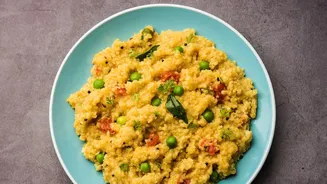
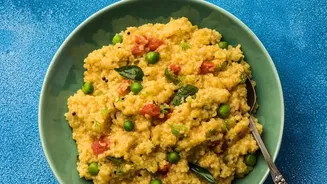
White rice is a staple in countless Indian households, but it is a refined grain. A simple and effective switch is to replace it with millets or brown rice. Millets like jowar (sorghum), bajra (pearl millet), and ragi (finger millet) have been part of Indian diets for centuries and are making a strong comeback. They are packed with fibre, protein, and essential minerals. For instance, you can make khichdi, upma, or pulao using foxtail millet or barnyard millet instead of rice. These grains offer a nutty flavour and a host of health benefits, including better digestion and more stable energy levels. Brown rice is another excellent alternative, retaining the fibre-rich bran layer that is removed from white rice. If your family is resistant to change, start by mixing a small amount of brown rice or millet with white rice and gradually increase the proportion.
Swap 2: Maida for Whole Wheat Atta
Maida is the primary ingredient in everything from naan and bhature to biscuits and cakes. It is highly refined and lacks nutritional value. The most straightforward swap is using whole wheat flour (atta) instead. Atta retains the bran and germ, making it rich in fibre. For everyday rotis and parathas, this is an easy switch most households already practice. But you can also take it a step further. When baking at home, try replacing at least half the maida in a cake or cookie recipe with atta. Atta absorbs more liquid and can result in denser baked goods, so you may need to slightly increase the amount of water or milk in the recipe. The result is a more nutritious, fibre-rich treat with a pleasant, nutty flavour. You can also explore using flours made from millets like ragi or jowar in your baking for an even bigger nutritional punch.
Swap 3: Refined Breakfast Cereals for Oats or Dalia
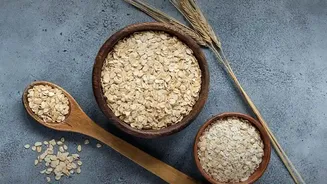
Many packaged breakfast cereals and breads are made from refined grains and loaded with sugar. A healthier way to start your day is with whole grains like oats or dalia (cracked wheat). Oats are an excellent source of soluble fibre, which helps lower cholesterol and keeps you feeling full until lunch. You can prepare them as a classic sweet porridge with fruit and nuts or go savoury with a masala oats preparation. Dalia is another fantastic breakfast option that can be cooked as a porridge or a savoury upma with vegetables. Both are minimally processed and provide sustained energy, unlike the quick rush and subsequent crash from sugary, refined options.
Swap 4: Packaged Snacks for Legumes, Fruits, and Nuts
When the 4 p.m. hunger pangs strike, it's easy to reach for a packet of chips or biscuits. These are typically made from refined flour, oil, and salt. A much healthier and more filling option is to snack on whole foods. A handful of roasted chana (chickpeas), a bowl of sprouts chaat, or fresh fruit provides a good dose of fibre, vitamins, and minerals. Legumes like chickpeas and kidney beans (rajma) are fibre powerhouses. Fruits like guava and apples are also excellent sources of fibre. Keeping these healthy alternatives readily available makes it easier to avoid unhealthy, processed snacks and keep your energy levels stable throughout the day.