






What Exactly is a Push Pull Legs Split?
The Push Pull Legs (PPL) split is a popular and time-tested training method that organises your workouts by movement pattern. [9, 26] Instead of dedicating a day to a single muscle like the chest or back (a method often called a 'bro split'), you group
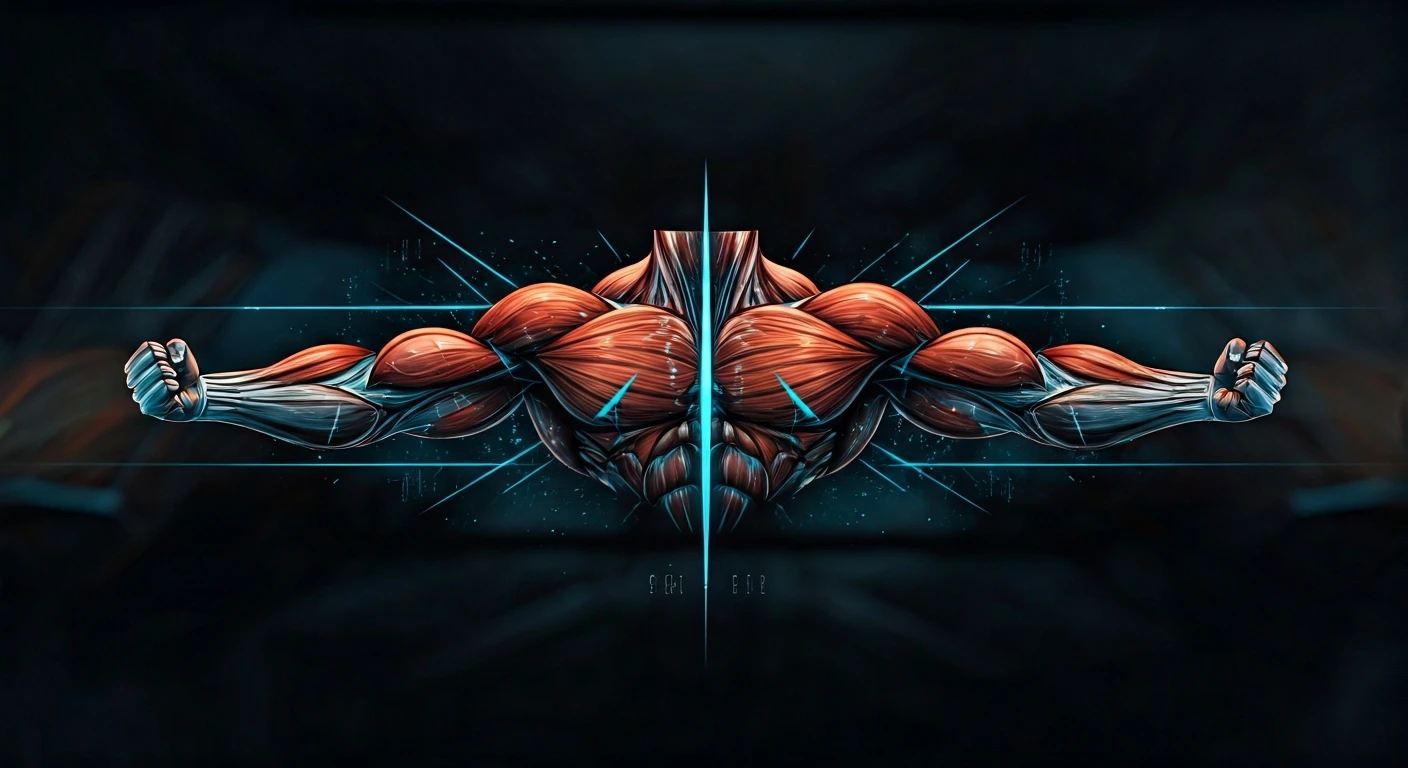
muscles that work together. [7] The logic is simple: your body has three main movement functions. The PPL routine splits your training across three separate days to match them. [1] * **Push Day:** You train all the upper body muscles used in pushing movements. [21] This primarily includes your chest, shoulders, and triceps. [1] * **Pull Day:** You train the upper body muscles used in pulling movements, which are your back and biceps. [1, 19] * **Leg Day:** This day is dedicated to training your entire lower body, including the quadriceps, hamstrings, glutes, and calves. [1, 7]
The 'Push' Day: Building Upper Body Strength
On push day, you focus on exercises where you are pushing resistance away from your body. Think of movements like the classic push-up or lifting something overhead. The primary muscles at work are the pectorals (chest), deltoids (shoulders), and triceps. [21] Training these synergistic muscles together makes your workout incredibly efficient. [1] For example, when you perform a bench press to target your chest, your shoulders and triceps are also heavily engaged. [1] **Beginner-Friendly Push Exercises:** * **Dumbbell Bench Press:** A great starting point that targets the chest, shoulders, and triceps while also improving stability. [2, 25] * **Seated Dumbbell Shoulder Press:** This focuses on building overhead strength in your shoulders. [25, 27] * **Tricep Pushdowns:** Using a cable machine, this exercise isolates the triceps on the back of your arms. [21]
The 'Pull' Day: Creating Balance and Posture
Pull day is the counterpart to push day, focusing on movements where you pull a weight towards your body. [16] This session targets the muscles of your back (like the latissimus dorsi, or 'lats') and your biceps. [19] Many beginners over-focus on the 'mirror muscles' of the chest and arms, but a strong back is crucial for good posture and preventing injury. [24] Just as with push day, the muscles on pull day work together naturally; for instance, any rowing motion for your back will also engage your biceps. [1] **Beginner-Friendly Pull Exercises:** * **Lat Pulldowns:** A fantastic alternative to pull-ups for beginners, this machine exercise builds back width. [24] * **Seated Cable Rows:** This movement helps build thickness in the middle of your back and reinforces good posture. [16, 19] * **Dumbbell Bicep Curls:** The classic exercise for isolating and strengthening your biceps. [13]
The 'Legs' Day: The Foundation of Power
Leg day is often joked about as the toughest day, but it's arguably the most important. Your legs and glutes are the largest muscles in your body, and training them builds a powerful foundation for overall strength. This workout targets your quads (front of the thighs), hamstrings (back of the thighs), and glutes (your backside). [23] **Beginner-Friendly Leg Exercises:** * **Bodyweight Squats:** This is a fundamental movement for all levels and targets the glutes, hamstrings, and quads. [3] Mastering the form here is key before adding weight. [5] * **Lunges:** Lunges are excellent for building single-leg strength and stability. [5, 14] * **Leg Curls:** Usually performed on a machine, this exercise isolates your hamstring muscles. [3]
Why is PPL So Effective for Beginners?
The PPL split is one of the most efficient workout routines available. [1] It provides a perfect balance between training volume and recovery. Since you group related muscles, other parts of your body get ample time to rest and repair, which is when muscles actually grow. [26] After a push day, for instance, your chest and triceps can recover for at least 48 hours before you might train them again. [7] This structure reduces the risk of overtraining. [7] For a beginner, a 3-day-per-week schedule is ideal. A common setup is: * **Monday:** Push Day * **Tuesday:** Rest * **Wednesday:** Pull Day * **Thursday:** Rest * **Friday:** Leg Day * **Saturday/Sunday:** Rest This schedule allows you to hit every major muscle group once a week with plenty of recovery time. [10, 12]