






Beyond the Classroom Walls
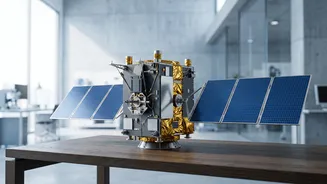
Classroom learning provides the foundation of science, but seeing it applied on a grand scale is a different experience altogether. When a student stands before a life-sized model of a Polar Satellite Launch Vehicle (PSLV) or sees the intricate design
of a satellite, abstract principles like physics and engineering suddenly click into place. It's the transition from reading about gravitational force to understanding the immense power required to overcome it. This hands-on, sensory experience makes learning more memorable and meaningful, igniting a curiosity that textbooks alone often cannot. These visits help bridge the gap between theoretical knowledge and its real-world application, showing students the tangible results of what they study.
Meeting the Minds Behind the Missions
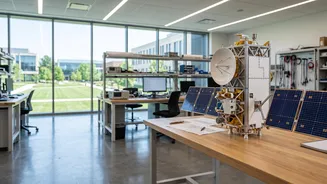
One of the most powerful elements of an ISRO visit is the human connection. Students get the chance to interact with the scientists, engineers, and technicians who are actively working on India's space missions. Listening to an engineer explain the challenges of the Gaganyaan mission or a scientist discuss the findings from Chandrayaan is incredibly inspiring. These interactions demystify the image of a scientist as a remote genius and present them as accessible role models. It shows students that the people behind these incredible achievements are relatable individuals who once shared their same curiosity. This exposure can have a profound impact, helping a young person envision themselves in a similar role in the future.
Demystifying Careers in Space
Many students might assume that a career at ISRO is reserved only for rocket scientists and astrophysicists. A visit quickly dispels this myth by showcasing the vast ecosystem of skills required to run a space program. They learn that ISRO needs computer scientists for software development and data analysis, electronics engineers for building sensors, mechanical engineers for structural design, and even experts in administration and finance. This broadens their understanding of what a career in the Science, Technology, Engineering, and Mathematics (STEM) fields can look like. It shows them that there are many paths to being part of India's space journey, encouraging more students to pursue STEM-based careers.
From Visitor to Participant
ISRO has actively cultivated programs to 'catch them young' and nurture scientific interest from an early age. Beyond simple tours, which typically require formal requests from a school, ISRO runs dedicated outreach initiatives. The most prominent is the "Young Scientist Programme" or YUVIKA, a two-week residential program that immerses selected students in space science and technology. Participants engage in hands-on activities, build model rockets, attend lectures by eminent scientists, and visit state-of-the-art facilities. The YUVIKA-2026 program, for instance, selected hundreds of students from across the country to participate. Such initiatives transform passive interest into active participation, creating a direct pipeline for future talent.
A Spark of National Pride
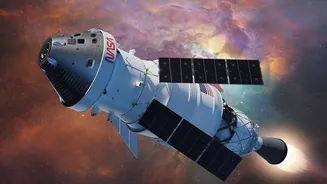
Walking through a facility that has sent missions to the Moon and Mars instills a deep sense of national pride. Students see firsthand that India is a major player on the global stage of space exploration. This feeling of connection to a national achievement is a powerful motivator. It reframes science not just as a school subject, but as a vital part of the country's progress and ambition. This inspiration can drive them to contribute to the nation's scientific future, turning a school trip into the first step of a lifelong journey of learning and discovery.