



More Than Just Waste
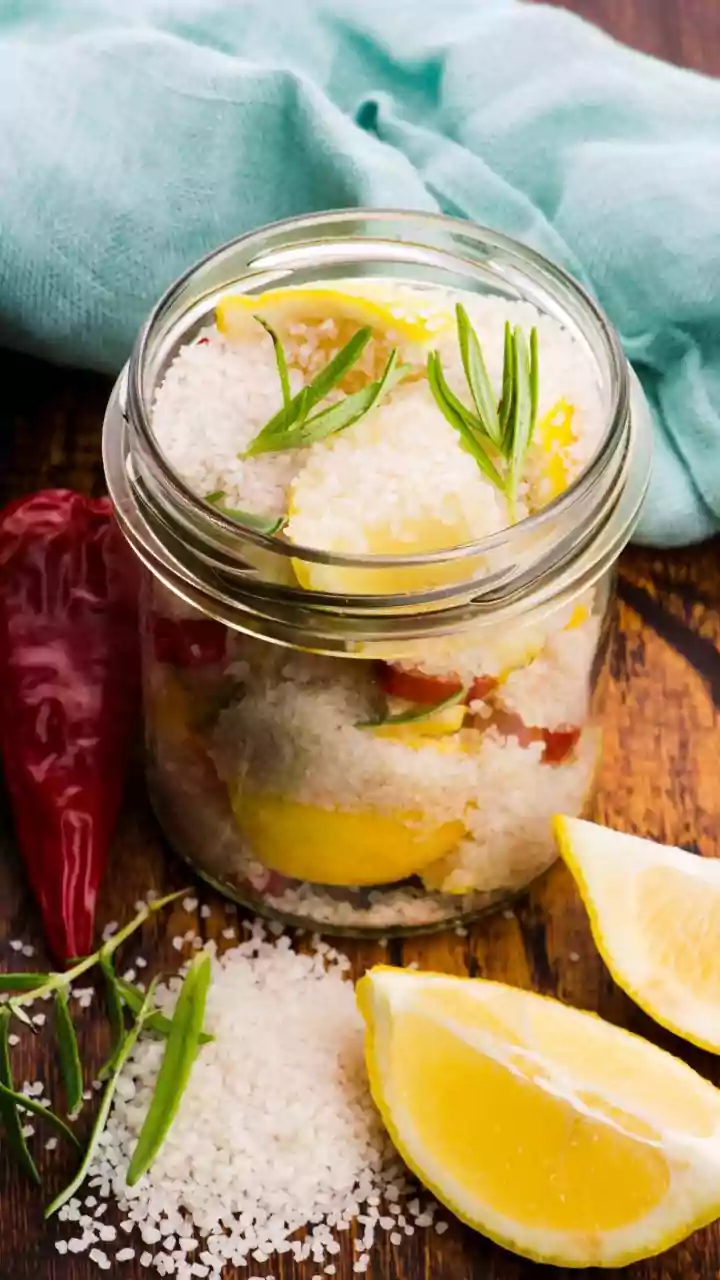
Every time you squeeze a lemon or peel an orange, a valuable resource often ends up in the bin: the rind. These peels are packed with aromatic essential oils, vitamins, and fibre. Transforming them into chutney is a brilliant way to practice root-to-fruit
sustainability in your own kitchen. You not only reduce food waste but also capture the intense, complex bitterness and fragrance of the citrus, which provides a beautiful counterpoint to the sweet and spicy notes of a traditional chutney. Using the entire fruit honours the resources that went into growing it and unlocks a new dimension of flavour that the juice alone cannot provide. It’s a simple, impactful step towards a more conscious way of cooking.
Taming the Bitterness
The primary challenge when cooking with citrus rinds is managing their natural bitterness. While a hint of bitterness adds wonderful complexity, too much can be overpowering. The key is to blanch the peels. Start by slicing your peels into thin strips, removing any excess white pith if you prefer a less chewy texture. Place the peels in a pot, cover them with cold water, bring it to a boil, and then drain. Repeating this process two to three times is crucial. This method leeches out the bitter compounds into the water, which you discard each time. After blanching, the peels will be significantly milder but will have retained their essential citrus aroma, making them ready for the chutney pot.
A Foundational Chutney Recipe
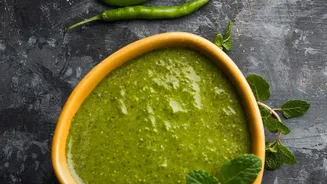
This basic recipe serves as a perfect canvas for your citrus creations. You'll need about one cup of blanched, finely chopped citrus peels (from oranges, lemons, or a mix). In a heavy-bottomed pan, sauté a chopped onion, a clove of minced garlic, and a teaspoon of grated ginger until fragrant. Add your chopped peels and sauté for another few minutes. Next, stir in about half a cup of jaggery or brown sugar, a quarter cup of tamarind pulp or vinegar, a pinch of salt, and spices like red chilli powder and coriander powder. Add a splash of water, cover, and let it simmer on low heat for about 30-45 minutes, stirring occasionally, until the peels are tender and the mixture has thickened to a jam-like consistency.
The Gut-Friendly Boost
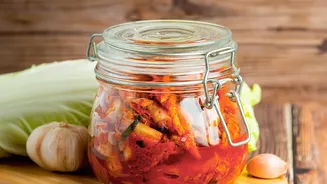
To elevate your chutney into a gut-friendly condiment, the focus is on incorporating ingredients known for their digestive benefits. Instead of regular vinegar, using raw, unpasteurised apple cider vinegar can introduce beneficial bacteria. Spices like ginger, turmeric, and black pepper are celebrated for their anti-inflammatory properties, which support a healthy digestive system. Additionally, the fibre from the peels themselves acts as a prebiotic, feeding the good bacteria in your gut. For a true probiotic kick, you can also ferment the chutney. This involves packing the cooked and cooled chutney into a jar, adding a starter culture like whey or brine from another ferment, and letting it sit at room temperature for a few days to develop a pleasant tang and live cultures.
Customise Your Creation
The beauty of this chutney lies in its versatility. Feel free to experiment with different citrus—grapefruit, kumquat, and tangerine peels all offer unique flavour profiles. You can enhance the spice blend with additions like fennel seeds, mustard seeds, or a pinch of asafoetida for a more traditional Indian flavour. For added texture and sweetness, consider tossing in some raisins or chopped dates during the last 15 minutes of cooking. Each batch can be a new discovery. Store your finished chutney in a sterilised glass jar in the refrigerator, where its flavours will continue to meld and deepen over time. It’s a perfect accompaniment to curries, grilled meats, cheese boards, or even spread on toast.