


The Problem with Today's Batteries
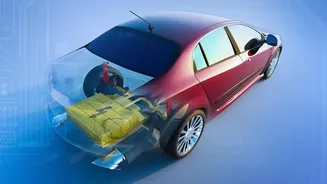
The electric vehicle revolution in India is powered by lithium-ion batteries. They are in our phones, laptops, and the electric two-wheelers zipping through city traffic. While this technology has been transformative, it has its limits. For a daily commuter,
the primary concerns are range—how far can I go on a single charge?—and safety. Conventional lithium-ion batteries use a liquid electrolyte to move energy around. This liquid can be flammable, and in rare cases of damage or malfunction, it can lead to a dangerous situation known as 'thermal runaway', which can cause fires. Furthermore, to get more range, you need bigger, heavier batteries, which is not ideal for nimble two-wheelers.
What Are Solid-State Batteries?
Enter the solid-state battery, a technology that many experts believe is the next great leap in energy storage. The core innovation is simple but profound: it replaces the flammable liquid electrolyte found in lithium-ion batteries with a solid material, often a ceramic, glass, or polymer. This single change unlocks a cascade of benefits. The solid electrolyte acts as a stable, fire-resistant barrier between the anode and cathode. This fundamental design shift not only tackles the safety issue head-on but also opens the door to using more advanced materials that can store significantly more energy.
Higher Density Means Longer Rides
The headline benefit of solid-state technology is its potential for much higher energy density. In simple terms, you can pack more power into the same amount of space, or achieve the same power with a much smaller, lighter battery. For an Indian two-wheeler user, this translates directly into longer range. Imagine your electric scooter going 50% or even 100% farther on a single charge, effectively eliminating range anxiety for most daily commutes and even short inter-city trips. This increased density could allow manufacturers to build vehicles with a 400-kilometre range or more, a true game-changer for the market.
A Leap Forward in Safety and Durability
Perhaps the most crucial upgrade for the Indian market is the inherent safety of solid-state cells. By eliminating the flammable liquid electrolyte, the risk of battery fires is dramatically reduced. The solid structure is far more resistant to damage and can better withstand the stresses of daily use, including temperature fluctuations. Beyond safety, these batteries promise a much longer lifespan, capable of handling thousands of charging cycles with minimal degradation compared to their liquid-based counterparts. This means the battery in your scooter would last much longer, retaining its performance for many more years and reducing long-term ownership costs.
The Road Ahead for India
While the promise is immense, solid-state batteries are not yet on our roads. The main hurdles are manufacturing cost and scale. The complex materials and production processes currently make them significantly more expensive than mature lithium-ion technology. However, the race is on. Several Indian companies, like GODI and Ram Charan Co, are actively involved in research and development, aiming to create proprietary solid-state technologies suited for local conditions. Global giants are also investing billions, and most experts predict that we will see the first commercial applications in premium vehicles in the late 2020s, with mass-market adoption likely following in the early 2030s.