

Why Your Cutting Style Matters
The way you chop a vegetable does more than just change its shape; it fundamentally alters its flavour, texture, and cooking time. A finely diced onion will soften and melt into a curry base, releasing its sweetness, while a thick slice will remain more pungent
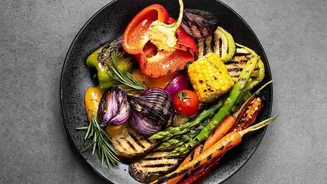
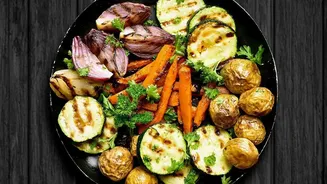
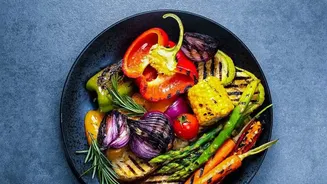
and crunchy in a salad. The size of the cut determines how quickly it cooks; smaller pieces cook faster, which is crucial when combining different vegetables in one dish. Furthermore, the increased surface area on certain cuts, like long planks of zucchini on a grill, allows for better charring and a smokier flavour. By thinking about the final dish from the moment your knife touches the cutting board, you gain incredible control over your cooking. It’s the difference between a mushy, homogenous sabzi and one where every vegetable is perfectly cooked and distinct.
The Only Cuts You Really Need
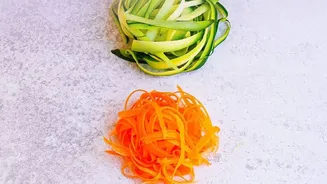
You don't need to be a professional chef to benefit from knife skills. Forget intimidating French terms and focus on these practical, versatile cuts. Dice: This means cutting vegetables into small, uniform cubes. A large dice is great for hearty dishes like sambar, where you want the vegetable to hold its shape. A small dice (sometimes called brunoise) is perfect for base ingredients like onion, ginger, and garlic for a masala, as it cooks down quickly and evenly. Slice: This can be anything from thin rounds of cucumber for a salad to half-moon slices of bottle gourd (lauki) for a simple stir-fry. Slicing is quick and ideal for dishes that cook fast, like a bhindi fry or cabbage stir-fry. Julienne: This technique creates thin, matchstick-like strips. It's perfect for carrots, bell peppers, and beets for use in fresh spring rolls, noodle dishes, or as a crunchy slaw-like salad. This cut ensures vegetables cook in seconds in a hot wok or can be eaten raw with a pleasant texture. Grate: A box grater is a cutting tool too! Grating carrots for halwa, cucumber for raita, or potatoes and cauliflower for parathas creates a texture that's impossible to achieve with a knife and allows the vegetable to blend seamlessly into the dish.
Match the Cut to the Meal
Here is where the magic happens. By prepping your seasonal vegetables with different cuts in mind, you can prepare components for several distinct meals at once. Think of it as creating your own in-fridge meal kits. A weekend prep session could involve taking a versatile vegetable like carrots and preparing them in multiple ways. A portion could be diced for a mixed vegetable upma or pulao, another portion julienned for a quick weekday stir-fry with noodles, and the rest grated to be added to paratha dough or a quick salad. Similarly, you can slice a bunch of onions for bhurji or sabzis, and finely chop another batch to be stored as your base for curries and dals throughout the week. This method encourages variety and ensures that the same vegetable can appear in different, exciting forms from one day to the next.
Your Sunday Prep Blueprint
Dedicate an hour or two on the weekend to what chefs call 'mise en place'—getting everything in its place. Wash, dry, and prep your vegetables for the week ahead. Here’s a sample plan: - Onions: 2 cups finely chopped (for gravies), 2 cups sliced (for stir-fries). - Carrots & Beans: 2 cups diced mix (for pulao/soup), 1 cup julienned carrots (for salads). - Bell Peppers (Capsicum): 1 cup sliced (for noodles/fajitas), 1 cup diced (for fried rice). - Cabbage: Half shredded (for slaw/sabzi). - Spinach/Palak: Washed, dried, and stored whole for easy grabbing. Or blanched and pureed for gravies. - Potatoes: These are best cut just before cooking to prevent browning, but you can keep peeled potatoes submerged in water in the fridge for a day.
Smart Storage for Freshness
Once you've done the work, you want your vegetables to last. The key is managing moisture. Store most chopped vegetables in airtight containers. For heartier vegetables like carrots and celery, adding them to a container with a small amount of water can keep them crisp for days. For chopped onions and garlic, use a glass container to prevent odours from taking over your fridge. Leafy greens like coriander and mint can be kept fresh for over a week by wrapping the stems in a damp paper towel and placing them in a bag or by storing washed and dried leaves between layers of paper towels in an airtight box. Properly stored, most pre-cut vegetables will stay fresh for 3-4 days, setting you up for a stress-free and healthy week of cooking.