






The Monsoon's Indoor Dilemma
When it's raining outside, our first instinct is to shut every window and door. While this keeps the rain out, it traps a different problem inside: humidity. Everyday activities like cooking, bathing, and even breathing release moisture into the air.
During the monsoon, the already high outdoor humidity means this indoor moisture has nowhere to go. This creates a damp, stagnant environment where indoor air can become more polluted than the air outside. High humidity, often exceeding 70-80% during the rainy season, creates the perfect breeding ground for mould, mildew, and dust mites. These biological contaminants can trigger allergies, asthma, and other respiratory issues, while also leaving behind a persistent musty odour.
The Golden Hours for Fresh Air
Timing your ventilation is crucial. The goal is to open windows when the outdoor air is cooler and less humid than the air inside. Generally, the best times are during the drier periods of the day. Early mornings, just after sunrise, are often ideal. At this time, the outdoor temperature is usually at its lowest, and the air is comparatively less saturated with moisture. Another good window is late in the evening, as temperatures begin to drop again. Opening windows for even 15-20 minutes during these periods can flush out stale, humid air and replace it with fresher, drier air without letting in significant rain. Also, consider opening windows briefly after a rain shower has passed, as the rain can wash pollutants from the air, temporarily improving its quality.
When to Keep Windows Firmly Shut
Knowing when not to ventilate is just as important. The most obvious time to keep windows closed is during a heavy downpour to prevent water from entering your home. You should also avoid opening them during the middle of the day. This is typically when temperatures and humidity levels peak, and opening windows will only invite more moisture inside, making your home feel stickier. It's also wise to check the local Air Quality Index (AQI). While monsoon rains can wash away some larger dust particles, they can also trap other pollutants closer to the ground, and high humidity can increase the indoor concentration of certain chemicals like VOCs. If the AQI is poor, it's better to keep the outside air out, regardless of the humidity.
Make Your Ventilation More Effective
To get the most out of your ventilation efforts, think beyond just opening a single window. The most effective method is cross-ventilation. By opening windows on opposite sides of a room or house, you create a natural pathway for air to flow through, pushing stale air out and pulling fresh air in. This is far more efficient at reducing humidity and odours than single-window ventilation. Also, use your exhaust fans strategically. Always run the exhaust fan in your kitchen while cooking and in your bathroom during and after a shower. These are major sources of indoor moisture, and venting it directly outside prevents it from spreading through your home. Even short, 10-minute bursts of ventilation can make a significant difference.
Beyond the Window: Other Solutions for a Dry Home
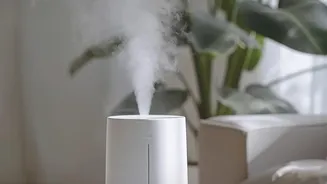
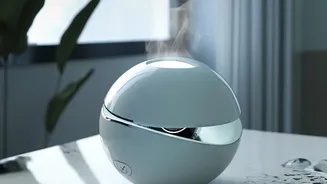
Sometimes, opening windows isn't a practical option. On days with continuous rain or persistently high humidity, you need alternative strategies. A dehumidifier is the most direct solution, designed specifically to pull excess moisture from the air. Maintaining an indoor humidity level between 30% and 50% is ideal for comfort and preventing mould growth. Air purifiers can also help by trapping mould spores, dust, and other airborne pollutants, improving overall air quality. Finally, some indoor plants, like snake plants and peace lilies, are known to help purify the air, although their effect on humidity is minimal. Ensuring you don't block air vents with furniture and keeping internal doors open can also promote better air circulation throughout your home.