



How Detectors Spot the Fakes
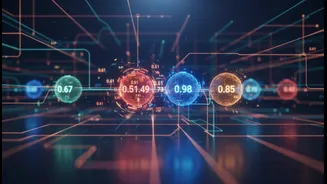
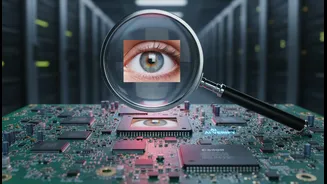
AI image detectors are specialised tools trained to distinguish between pictures taken by a camera and those created by artificial intelligence. They work by analyzing an image for subtle clues that are often invisible to the human eye. These systems
are trained on vast datasets containing millions of both real and AI-generated images, learning to identify the digital 'footprints' or 'fingerprints' left behind by AI models like Midjourney or DALL-E. These clues can include unnatural textures, inconsistent lighting and shadows, pixel-level artifacts, and other mathematical inconsistencies that don't appear in photos from a real camera. Some detectors also look for invisible watermarks or metadata that AI companies are beginning to embed in their creations to help with provenance.
The First Line of Defence in Verification
For businesses and institutions, the ability to verify visual information is critical. AI image detectors are being deployed to combat fraud across various sectors. They can analyze customer-submitted documents like identity cards, receipts, and proof-of-payment screenshots to check for signs of digital tampering or AI generation. This helps prevent identity theft and financial fraud before it can impact a system. In sectors like insurance, these tools can review visual evidence in claims to confirm legitimacy. As synthetic images become easier to create, this automated verification step protects both organisations and their customers from increasingly sophisticated scams.
Rebuilding Trust in the Newsroom
The rise of photorealistic AI images poses a significant threat to journalism, where credibility is paramount. Newsrooms now face the risk of publishing fake images related to everything from elections to armed conflicts, which can severely damage public trust. To counter this, media outlets are adopting formal image authentication workflows. This process involves using AI detectors as a first-pass screening tool, often in combination with traditional methods like reverse image searches and checking metadata. While detectors aren't perfect, they provide a crucial data point that helps editors decide whether an image is safe to publish, needs further investigation, or should be flagged as unverified. It’s about creating a repeatable, transparent process to maintain accuracy under pressure.
Navigating Judgement on Social Media
For the average social media user, the line between reality and artifice has become dangerously blurred. AI-generated images can spread misinformation, damage reputations, and manipulate public opinion with alarming speed. AI detectors offer a way for both platforms and individuals to exercise better judgment. Platforms can use this technology to automatically flag potentially misleading content, giving users more context before they share. For individuals, public-facing detector tools provide an opportunity to check a suspicious image before believing or amplifying it. This fosters greater media literacy and encourages a healthier skepticism, which are essential skills for navigating today’s complex information environment.
The Cat-and-Mouse Game of Detection
It's important to understand that AI image detectors are not a silver bullet. The technology is in a constant cat-and-mouse game with the AI models that generate images; as the generators get better, the detectors must evolve. Simple edits like cropping an image, taking a screenshot, or adding digital noise can sometimes remove the very signals the detectors look for. Recent analysis of Meta's new detection tool found it failed to identify a significant percentage of its own AI-generated images after they were cropped. Furthermore, detectors can produce both false positives (flagging a real photo as fake) and false negatives (missing an AI-generated one), meaning human oversight remains indispensable.