





Know When and Where to Look
Timing is everything. The Orionid meteor shower is active from early October to early November, but the best time to watch in 2026 is during its peak in the predawn hours of October 21st and 22nd. This year, there's a bright waxing gibbous moon, which
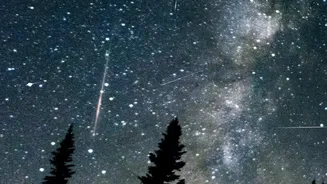
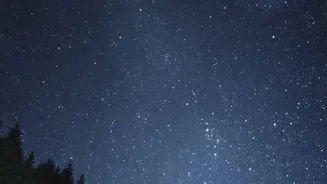
can wash out fainter meteors. However, it sets around 3 a.m. local time, creating a perfect dark window from moonset until dawn. The meteors appear to originate from the constellation Orion, but you don't need to stare directly at it. In fact, looking about 45 to 90 degrees away from Orion can reveal longer and more dramatic streaks as the meteors travel across the sky. They can appear anywhere, so find a comfortable position and take in as much of the sky as possible.
The Urban Explorer's Guide to Darkness
The biggest challenge for any urban skywatcher is light pollution. While you can't turn off the city, you can minimise its impact. Scout your location in advance. Parks, sports fields, or even large parking lots can offer a slightly darker patch of sky. The key is to find a spot with an unobstructed view, away from the direct glare of streetlights and buildings. Look for areas shielded by trees or structures that can block low-level ambient light. Even moving to a local park on the edge of town can make a significant difference compared to a brightly lit city centre. Every bit of darkness you can find will improve your chances of spotting the fast-moving Orionids.
Let Your Eyes Do the Work
One of the most crucial but overlooked hacks is dark adaptation. It can take 20 to 30 minutes for your eyes to fully adjust to low-light conditions and become sensitive enough to spot faint meteors. During this time, you must avoid all sources of bright, white light. That means putting your phone away. The bright screen can instantly ruin your night vision, forcing you to start the adaptation process all over again. If you need to check a star chart or use a light, make sure it’s a dim red light, as this colour has the least impact on your night vision. Patience here is non-negotiable; give your eyes the time they need to perform their natural magic.
Ditch the Telescope, Trust Your Eyes
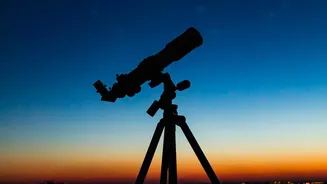
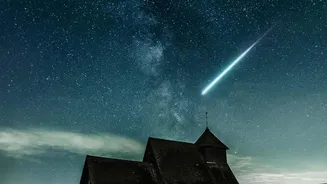
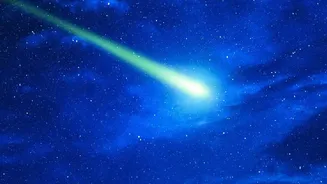
This may sound counterintuitive, but for a meteor shower, a telescope or binoculars are the wrong tools for the job. Meteors are fast, streaking across large sections of the sky in an instant. A telescope's narrow field of view means you are almost guaranteed to miss them. Your naked eyes are the perfect instrument, offering the widest possible view of the celestial canvas. The Orionids are known for their speed, entering the atmosphere at about 66 kilometres per second, and are often bright, sometimes leaving persistent trails. The best way to catch this sprawling, high-speed show is to simply lie back, look up, and let your eyes scan the darkness.
Get Comfortable and Be Patient
Meteor watching is a waiting game. You won’t see a constant stream of shooting stars; they often come in spurts with lulls in between. Under ideal dark-sky conditions, the Orionids produce about 15 to 25 meteors per hour at their peak, so expect fewer in an urban setting. To make the wait enjoyable, get comfortable. A reclining chair, a blanket, or a sleeping bag will save you from neck strain. Dress in warm layers, as even on a mild night, sitting still for a long period can get chilly. Bring a warm drink and think of it as a peaceful, meditative experience rather than a non-stop action movie. The reward for your patience could be a spectacular fireball that makes the entire evening worthwhile.
Use Your Peripheral Vision
Here's a biological hack: your peripheral vision is more sensitive to faint light and motion than your central vision. The centre of your retina is packed with colour-detecting cone cells, which work best in bright light. The outer regions are dominated by rod cells, which are your low-light specialists. Instead of staring intensely at one spot, relax your gaze and be aware of the whole sky. You might be surprised to find that you spot a faint, quick meteor out of the corner of your eye. This technique, known as averted vision, is a classic trick used by astronomers to see faint deep-sky objects, and it works perfectly for catching elusive shooting stars.