




The Modern Urban Energy Crisis
You wake up early for a workout, navigate a busy commute, and tackle a demanding workday. As a fitness enthusiast, you prioritise your health, yet by 3 PM, you find your energy and focus plummeting. This frustrating cycle of morning energy followed by an afternoon
crash is a common experience for many urban dwellers. While sugary energy drinks and endless cups of coffee offer a temporary fix, they often lead to a subsequent crash, leaving you feeling even more drained. The key to sustained performance, both mental and physical, lies not in quick fixes but in smart, steady fuel.
Rediscovering Sattu: The Original Superfood
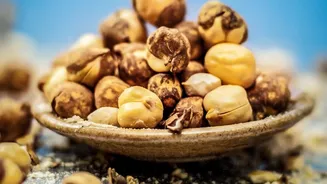
Often called the 'poor man's protein', sattu is a testament to traditional Indian wisdom. This humble flour, made from roasted Bengal gram (chana), is a nutritional powerhouse that is finally getting the recognition it deserves. A 100-gram serving packs an impressive 20-26 grams of plant-based protein, essential for muscle repair and growth. But its benefits go far beyond protein. Sattu is rich in complex carbohydrates and about 18 grams of dietary fibre. This combination, along with a low glycemic index, ensures a slow and steady release of energy, preventing the blood sugar spikes and crashes associated with refined carbs.
How Sattu Keeps You Firing on All Cylinders
Sattu’s magic lies in its composition. The high fibre content keeps you feeling full and satisfied, curbing unhealthy cravings and aiding in weight management. The complex carbs provide sustained fuel for long hours of work or an evening workout. Furthermore, sattu is packed with essential minerals like iron, magnesium, and potassium. Iron is crucial for oxygen transport in the body, combating fatigue, while magnesium plays a vital role in energy metabolism and muscle function. Its traditional use as a cooling drink also helps in hydration and replenishing electrolytes lost through sweat, making it a perfect post-workout choice.
Sprouted Legumes: A Living Nutrient Boost
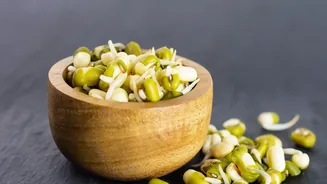
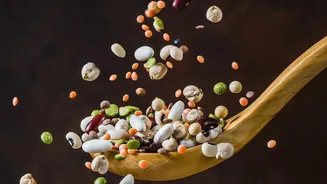
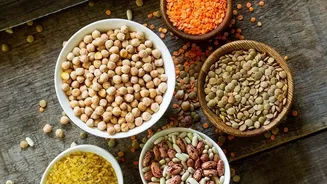
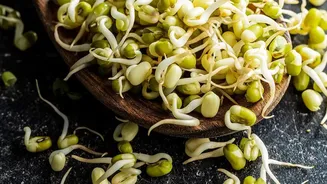
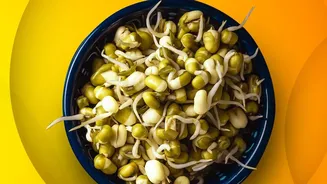
If sattu is the steady workhorse, sprouted legumes are the burst of bio-available vitality. The process of sprouting—soaking legumes like mung beans, chickpeas, or lentils until they germinate—transforms them into 'living foods'. Sprouting increases the concentration of protein and improves its quality by enhancing the amino acid profile. It also breaks down anti-nutrients like phytic acid, which would otherwise hinder the absorption of important minerals such as iron, zinc, and calcium. This 'pre-digestion' process makes sprouts incredibly easy on the gut, reducing issues like bloating and allowing your body to absorb more nutrients with less effort.
The Science of Staying Mentally Sharp
Feeling sharp all day is not just about physical energy; it's about cognitive function. Protein plays a crucial role here. Our brains use amino acids from protein to create neurotransmitters like dopamine, which is essential for focus and motivation. A steady supply of high-quality protein from sources like sattu and sprouted legumes helps maintain these neurotransmitter levels, leading to better concentration and mental clarity. The stable blood sugar provided by these low-GI, high-fibre foods prevents the brain fog that often accompanies the sugar crashes from simpler carbs. Consistent intake of these foods nourishes your brain, helping you stay on top of your game from morning to night.
Simple Ways to Fuel Your Day
Incorporating these superfoods into a busy urban schedule is surprisingly easy. Start your day with a sattu drink by mixing 2-3 tablespoons with water, a pinch of black salt, and a squeeze of lemon for a quick, protein-rich breakfast. You can also add sattu to your roti dough, soups, or smoothies. Sprouted legumes are incredibly versatile. Toss them into salads for a crunchy texture, add them to stir-fries, or lightly cook them with spices for a nutrient-dense snack. Because they are pre-digested, they cook quickly and can be a fast addition to any meal, providing a powerful boost of protein and fibre without the long cooking times of their un-sprouted counterparts.