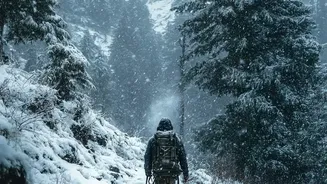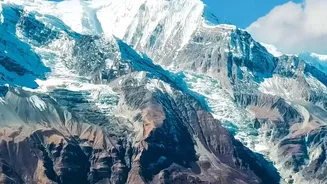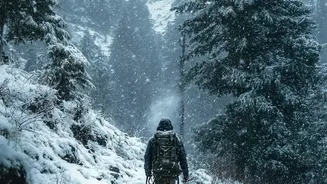


Kedarkantha: The Quintessential Winter Trek
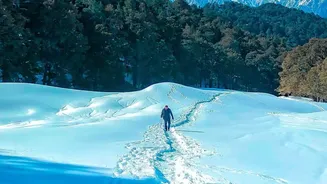
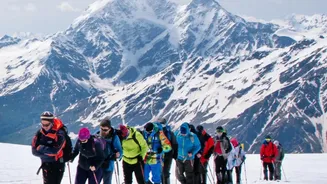
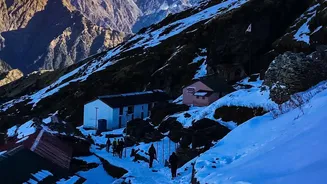
Often called the 'Queen of Winter Treks', Kedarkantha in Uttarakhand is arguably India's most popular trek for those seeking snow. It's an easy-to-moderate trail, making it highly suitable for fit beginners and families. The trek, which takes about 5-6
days from Dehradun, leads you through pine forests, past the frozen Juda-ka-Talab lake, and up to a summit of 12,500 feet. The reward is a stunning 360-degree view of Himalayan peaks like Swargarohini and Bandarpunch. The best window for a classic snow experience is from late December to March. However, its popularity means it can get crowded, especially around New Year's.
Brahmatal: Frozen Lakes and Epic Views
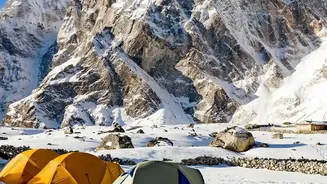
For those seeking an alternative to the Kedarkantha crowds, Brahmatal offers a compelling mix of dense forests, two frozen alpine lakes, and dramatic views of Mt. Trishul and Nanda Ghunti. Located in Uttarakhand, this 6-day trek is also graded as easy-to-moderate and is a great option for first-timers. The trail starts from Lohajung and climbs to an altitude of around 12,250 feet. You'll camp beside Bekaltal before pushing towards the Brahmatal ridge. The best months for reliable snow are December through February, with February often considered a good balance of settled snow and slightly less severe cold.
Dayara Bugyal: Vast Meadows in White
Known for its vast, rolling meadows ('bugyals'), Dayara Bugyal is another fantastic choice for beginners and families. In winter, these meadows are blanketed in a thick layer of snow, creating a surreal white landscape. The trek is typically 4 to 6 days, starting from villages like Raithal or Barsu, and reaches a top altitude of about 12,000 feet. While it's graded easy-to-moderate, the summit day can be a long 8-9 hour walk in deep snow. The trek offers magnificent views of the Gangotri ranges and Mt. Bandarpoonch. The prime snow season is from December to March.
Chadar Trek: The Frozen River Challenge
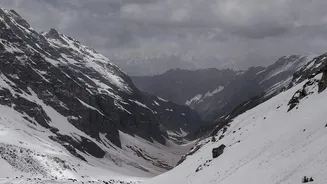
The Chadar Trek in Ladakh is in a league of its own. It's not a mountain climb but a walk along the frozen Zanskar River. This is a difficult expedition, not because of altitude gain but due to the extreme cold, with temperatures dropping to -25°C or lower. However, its status has become uncertain in recent years. The 2026 season was suspended because the ice sheet did not form safely due to warmer conditions. For the 2027 season, no official announcement has been made, and operators are waiting for the Ladakh administration to assess the ice conditions, which usually happens closer to January. Anyone considering this trek must be prepared for last-minute changes and have a high degree of flexibility.
Essential Tips for a Safe Snow Trek
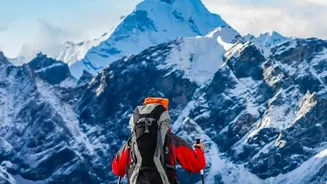
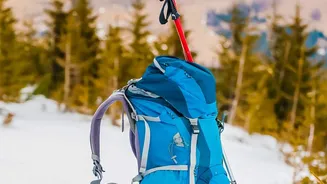
A winter trek requires more than just enthusiasm. The right preparation is critical for safety and comfort. Firstly, dress in layers: a moisture-wicking base layer, a fleece or insulating mid-layer, and a waterproof and windproof outer shell. Avoid cotton entirely, as it holds moisture and will make you cold. Protecting your extremities is vital, so invest in good quality waterproof gloves, woollen socks, and a warm hat or balaclava. Good, broken-in waterproof trekking shoes with ankle support are non-negotiable. Always stay hydrated, even if you don't feel thirsty, and listen to your guide, especially about weather changes and signs of altitude sickness. Finally, choose a reputable operator with certified guides and a clear safety protocol.