





The Junkyard Above Our Heads
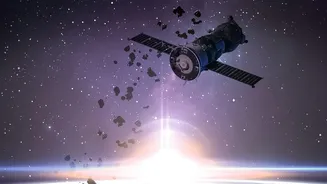
Imagine a highway with millions of stray nuts, bolts, and inactive cars moving at over 28,000 kilometres per hour. That’s the reality in Low Earth Orbit (LEO), the orbital band where most of our critical satellites operate. This isn't science fiction;
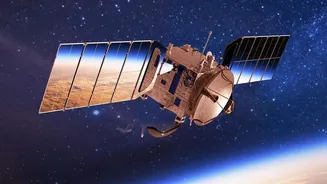
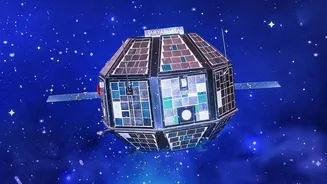
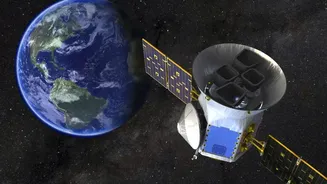
it's a pressing environmental crisis. Decades of space activity have left behind a cloud of debris, from spent rocket stages to tiny fragments from past collisions. Even a paint chip can cause catastrophic damage to an operational satellite at these incredible speeds. The Indian Space Research Organisation (ISRO) is navigating this treacherous environment daily. In 2025 alone, ISRO had to perform 20 collision avoidance manoeuvres to safeguard its space assets, and has already conducted nine such manoeuvres in 2026. With 20 of India's 22 active satellites flying through the congested LEO region, the risk is not just present; it's growing.
India's Smart Shield
Manually tracking every potential threat and calculating evasive action is becoming unsustainable. The sheer volume of data and the small window of time to react demand a smarter, faster solution. This is where Artificial Intelligence comes in. While the idea of fully autonomous AI-powered thrusters is the end goal, India is already implementing the foundational AI systems that make such protection possible. ISRO, in collaboration with academic institutions like IIIT-Delhi, is developing an AI-powered Space Situational Awareness (SSA) platform. This system is designed to automate the entire process, from managing sensor data that tracks objects to identifying imminent threats. By leveraging AI, analysts can sift through an overwhelming number of potential collision alerts and focus on the most critical ones, making the entire defence mechanism more efficient and responsive.
How AI Takes the Pilot's Seat
The process is a sophisticated blend of observation and prediction. Ground-based radars, like the Multi-Object Tracking Radar (MOTR) at Sriharikota, and upcoming telescopes continuously scan the skies. This data feeds into complex software models. AI algorithms analyse the orbital paths of tens of thousands of tracked objects, predicting potential conjunctions—moments when a satellite and a piece of debris might pass dangerously close. Experts suggest that as these AI systems evolve, more of the analysis will happen directly on the satellites themselves, rather than on the ground. This allows for even quicker response times. When the AI-driven software flags a high-risk event, it can recommend a collision avoidance manoeuvre. This involves firing the satellite's onboard thrusters for a short duration to slightly alter its course, nudging it safely out of the path of the oncoming debris. So while a human operator might still give the final approval, AI is doing the crucial intellectual heavy lifting.
Protecting Our Eyes in the Sky
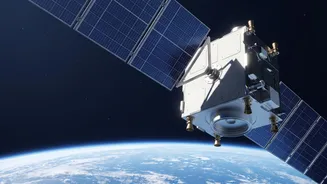
The satellites being protected are not just expensive hardware; they are the backbone of modern India. Earth-observation satellites provide indispensable data for weather forecasting, agricultural planning, urban development, disaster management, and national security. Protecting these assets is a matter of strategic importance. ISRO's increasing use of collision avoidance manoeuvres—29 in the last 18 months—highlights the escalating threat. Each manoeuvre consumes precious fuel, shortening a satellite's operational lifespan, which is why they are only performed when absolutely necessary. The integration of AI aims to make this process more precise, ensuring that fuel is used only for genuine threats, thereby extending the life and reliability of these vital national resources. This technological push is part of India's broader vision for sustainable space operations, including the 'Debris Free Space Mission' initiative announced in 2024.