



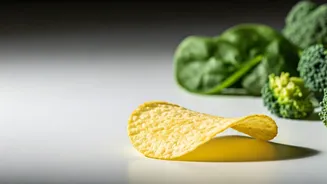


The 'Diet' Deception
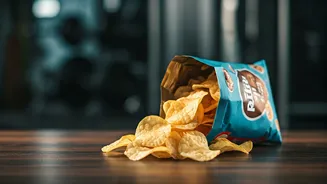
The term 'diet' on a snack package is a powerful marketing tool. It often implies a product is low-fat, low-calorie, or baked instead of fried. While these chips may have less fat than their full-fat counterparts, this doesn't automatically make them
a healthy choice. Often, to compensate for the lack of fat and flavour, manufacturers load these products with sodium, artificial flavourings, and other additives. These ultra-processed foods are designed for hyper-palatability, making them easy to overeat. The issue with many so-called 'diet chips' is that they can be misleading, potentially containing refined ingredients and hidden sodium.
The Unsavory Story of Fake Fats
One of the most infamous ingredients in the history of diet snacks is Olestra, a fat substitute marketed as Olean. Because it's a synthetic molecule that the body can't digest or absorb, it contributes zero calories. However, this benefit came with significant, unpleasant side effects, including abdominal cramps, gas, and loose stools. The most notorious of these was 'anal leakage'. Olestra also interferes with the body's ability to absorb essential fat-soluble vitamins like A, D, E, and K, as well as carotenoids. While its use has declined due to consumer backlash, it serves as a cautionary tale about lab-created fat replacements.
The Acrylamide Question
Many people choose baked chips believing they're healthier than fried ones. While this can be true in terms of fat content, the high-temperature baking process introduces a different concern: acrylamide. Acrylamide is a chemical that can form in starchy foods during high-temperature cooking like frying, roasting, and baking. Studies have shown it to be a potential carcinogen. Interestingly, some research has found that depending on the brand and cooking temperature, baked chips can sometimes contain even higher levels of acrylamide than their fried counterparts. While boiling or steaming food doesn't produce acrylamide, the high heat needed for that crunchy texture does.
A Cocktail of Chemicals
To make low-calorie snacks taste good, companies often turn to artificial sweeteners like aspartame, sucralose, and acesulfame potassium. While approved by regulatory bodies, their long-term health effects are still debated. Some studies suggest a link between high consumption of artificial sweeteners and a higher risk of metabolic issues, stroke, and heart disease, and they may even alter gut bacteria. These sweeteners can trick your brain; they provide a sweet taste without the calories, which can sometimes lead to your body craving more sugar and calories later.
Nutritionally Empty, Still Unsatisfied
At their core, most diet chips are ultra-processed foods that offer very little nutritional value. They lack the fiber, vitamins, and minerals found in whole foods. This means that even after eating a whole bag, you might not feel truly satisfied. These snacks can lead to a cycle of empty calories, where you consume calories without getting the nutrients your body needs to feel full and energized. This can result in overeating or reaching for yet another snack, defeating the purpose of choosing a 'diet' option in the first place.
Smarter Snacking Strategies
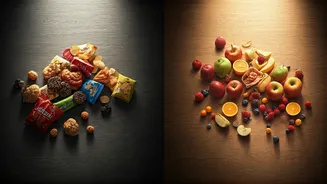
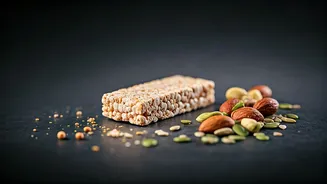
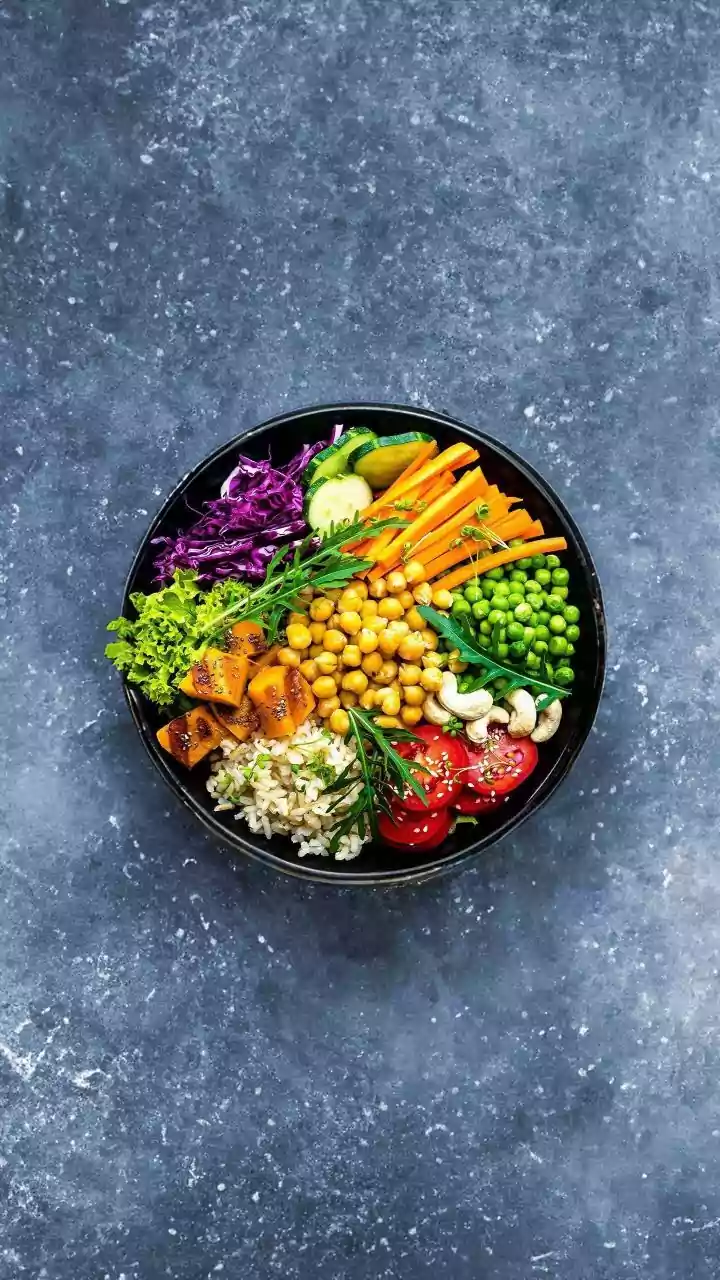
Instead of stocking your drawer with processed diet snacks, consider whole-food alternatives. A handful of unsalted nuts or seeds provides healthy fats, protein, and fiber. Roasted chana (chickpeas) and makhana (fox nuts) are excellent crunchy, low-glycemic options. A piece of fruit paired with a small amount of cheese or yogurt offers a balance of carbohydrates, protein, and fat to keep you full and your blood sugar stable. If you crave chips, look for brands with minimal ingredients—potatoes, oil, and salt—or try making your own by thinly slicing potatoes, tossing them with a little olive oil, and baking them until crisp.