




What is Surya Namaskar?
At the heart of this global event is Surya Namaskar, or the Sun Salutation. Far more than just a warm-up, it is a complete sadhana (spiritual practice) in itself. Comprising a sequence of 12 gracefully linked asanas (postures), Surya Namaskar is designed
to express gratitude to the sun, the source of all life and energy on Earth. Each posture flows into the next, synchronized with the breath. The sequence works on the entire body, stretching and strengthening muscles, improving flexibility, and boosting circulation. It begins and ends with Pranamasana (Prayer Pose), creating a cycle of movement that is both physically invigorating and mentally calming. Performing multiple rounds can be a powerful cardiovascular workout, while its meditative rhythm helps to quiet the mind and foster a deep sense of inner peace.
The Power of Synchronized Practice
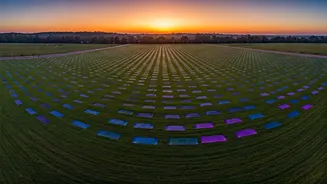
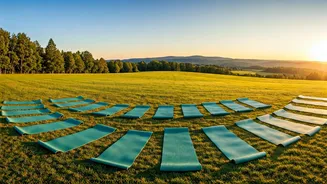
Practicing yoga alone can be a profound experience, but there is a unique energy that comes from practicing as part of a collective. When thousands of people perform the same sequence at the same time, even from their own homes, it creates a powerful 'mastermind' effect. This shared intention amplifies the energy and benefits for everyone involved. Knowing that countless others are breathing and moving with you fosters a deep sense of connection and community, breaking the barriers of physical distance. It transforms a personal practice into a shared global prayer for well-being. This collective energy can be incredibly motivating, helping you push through challenging moments and experience the practice on a much deeper level. It’s a reminder that you are part of something much larger than yourself.
How to Find an Online Event
Joining a mass online Surya Namaskar event is easier than you think. Start by checking the official sources. The Ministry of Ayush, the nodal ministry for Yoga Day in India, often organises or promotes a 'Common Yoga Protocol' which is streamed live across various platforms. Keep an eye on their official website and social media channels. Additionally, major yoga institutions like the Art of Living, Isha Foundation, and Patanjali Yogpeeth regularly host large-scale online events. Their YouTube channels and Facebook pages are the best places to find schedules and live-stream links. Many local yoga studios and independent instructors also host their own events. A simple search for “Yoga Day online Surya Namaskar” in the days leading up to June 21st will yield numerous options to choose from.
Prepare Your Space and Yourself
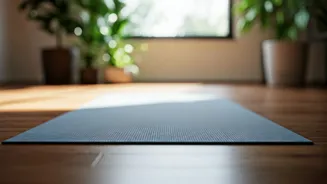
To have a seamless and enjoyable experience, a little preparation goes a long way. First, choose your spot. You’ll need enough space to stretch fully in all directions, roughly the length of your yoga mat with some room on either side. Ensure you have a stable internet connection to avoid any frustrating buffering during the live stream. Set up your device—whether a laptop, tablet, or TV—at a comfortable height and distance where you can easily see and hear the instructor. Wear comfortable, breathable clothing that allows for a full range of motion. It’s also best to practice on a relatively empty stomach, so try to leave a gap of at least two to three hours after a main meal. Keep a water bottle handy, but try to avoid drinking large amounts during the practice itself.
The 12 Steps of the Sun Salutation
While the instructor will guide you, knowing the sequence can help you flow more smoothly. The 12 steps form one complete round, which is practiced on both the right and left sides. The cycle is: 1. Pranamasana (Prayer Pose), 2. Hastauttanasana (Raised Arms Pose), 3. Hasta Padasana (Hand to Foot Pose), 4. Ashwa Sanchalanasana (Equestrian Pose), 5. Dandasana (Stick Pose), 6. Ashtanga Namaskara (Salute with Eight Parts), 7. Bhujangasana (Cobra Pose), 8. Adho Mukha Svanasana (Downward-Facing Dog Pose), 9. Ashwa Sanchalanasana (Equestrian Pose), 10. Hasta Padasana (Hand to Foot Pose), 11. Hastauttanasana (Raised Arms Pose), and 12. Tadasana (returning to a standing pose before the next prayer pose). Remember to link your breath to each movement: inhale as you expand and open up, exhale as you fold and contract.