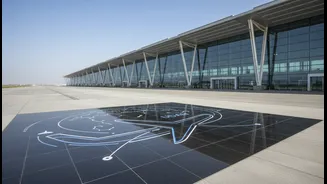









Jodhpur's New Architectural Jewel
On July 4, 2026, Jodhpur unveiled a sprawling new airport terminal, a Rs 480-crore project designed to be a modern gateway to western Rajasthan. Spanning over 23,000 square metres, the terminal can handle two million passengers annually and up to 1,500
during peak hours, a significant upgrade for one of India's most popular tourist circuits. Designed by the architecture firm Sthapati, the building draws heavily from the region's royal heritage, with a facade featuring arches and domes reminiscent of Jodhpur's majestic forts and palaces. With 20 check-in counters and six aerobridges, the facility is built not just for current traffic but for future growth, positioning Jodhpur as a key hub in the national aviation network.
The Ambitious Dream of UDAN
The terminal's launch was strategically paired with the announcement of a modified UDAN (Ude Desh ka Aam Nagrik) scheme, the government's flagship regional connectivity program. Launched in 2016, UDAN’s vision was revolutionary: to make air travel affordable and accessible to the common citizen by connecting dozens of unserved and underserved airports in Tier-2 and Tier-3 cities. The model relied on providing Viability Gap Funding (VGF) to airlines, a subsidy to encourage them to operate on routes with initially low demand. In exchange, a portion of seats on these flights had capped, affordable fares. The scheme led to the operationalisation of hundreds of new routes, fundamentally changing India's aviation map.
Turbulence on Regional Routes
Despite its initial successes, the original UDAN model faced significant challenges. The core issue was sustainability. Research and reports indicated a high discontinuation rate for routes once the initial three-year subsidy period ended. Many airlines struggled to make these routes profitable without government support, leading to flight withdrawals. In some cases, newly inaugurated airports saw scheduled flights stop altogether due to persistently low passenger numbers, raising questions about the demand assessment for certain routes. For regional airlines, the financial strain was considerable, creating a cycle of launch and withdrawal that hampered the goal of reliable, long-term connectivity.
Modified UDAN: A Course Correction
The newly launched 'Modified UDAN' is a direct response to these problems. With a massive outlay of nearly Rs 29,000 crore over the next decade, the revamped scheme introduces structural changes aimed at long-term viability. Firstly, it extends the VGF support for airlines from three years to five, with a tapered funding mechanism to help carriers gradually achieve commercial sustainability. Secondly, it provides Operations and Maintenance (O&M) support for smaller, low-traffic airports for three years, helping them manage costs in the initial phase. Finally, the scheme commits to developing 100 more aerodromes from existing airstrips, backed by direct budgetary support rather than a levy on other flights.
The Lingering Questions for Connectivity
This brings the focus back to Jodhpur. The new terminal represents the 'build it and they will come' philosophy, an essential piece of infrastructure. The modified scheme, meanwhile, provides a stronger financial cushion to ensure airlines do come. Yet, the fundamental questions remain. Will this extended support be enough to nurture markets to the point of self-sufficiency, or does it simply postpone the economic challenge? The success of a massive terminal in Jodhpur and hundreds of smaller airports nationwide depends on whether the underlying demand can be stimulated to fill the new capacity. Aligning flight routes with tourism, trade, and economic corridors will be more critical than ever. The new scheme appears to be a more robust and realistic approach, but its execution will determine if it can finally solve the puzzle of sustainable regional aviation.