



Monsoon-Proof Your Pots
The single biggest threat to your potted herbs during the rains is not pests or lack of sun, but root rot caused by waterlogged soil. Your first line of defence is excellent drainage. Ensure every pot has multiple drainage holes at the bottom. If you suspect
blockage, clear it out. Elevating your pots on stands or even simple bricks allows excess water to escape freely and lets air circulate underneath, which is crucial for root health. Using the right soil mix is just as important. Avoid using heavy garden soil, which compacts and holds too much water. Instead, create a light, airy mix by combining equal parts potting soil, compost, and coco peat, with a handful of perlite or coarse sand to improve porosity. This blend provides nutrients while ensuring water drains away quickly, keeping roots healthy even during a downpour.
The Art of Watering
During the monsoon, you need to unlearn your summer watering habits. The air is humid and the soil dries much slower. Overwatering is a common mistake that leads to yellowing leaves and root decay. The golden rule is to check the soil before you even think of reaching for the watering can. Push your finger about two inches into the soil. If it feels damp, do not water. If your pots are exposed to direct rain, you may not need to water them manually at all. Your main job is to ensure they are draining properly after a shower. Always empty the saucers or trays beneath your pots immediately after it rains or after you water, as letting a pot sit in a puddle is a guaranteed way to invite root rot.
Growing Glorious Basil
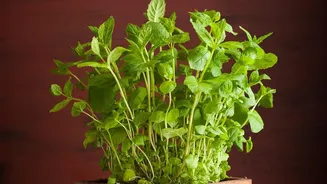
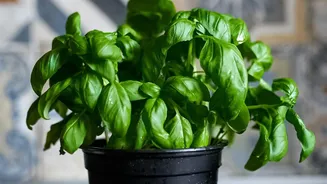
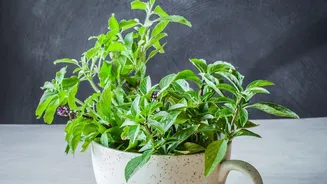
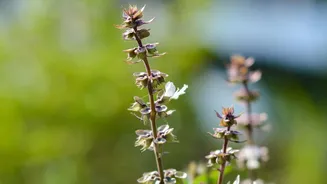
Basil loves moisture but hates wet feet, making it a bit tricky during the rains. Proper drainage is non-negotiable for this herb. It needs at least 4-6 hours of sunlight to thrive, so place it in the brightest spot on your balcony. During prolonged rainy spells with little sun, basil can become susceptible to fungal diseases like downy mildew, which appears as yellowing on the top of leaves and fuzzy grey mould underneath. To prevent this, ensure good air circulation between plants and avoid wetting the leaves when you water. If possible, move your basil pot to a covered spot during heavy, continuous downpours. Regularly pinch off the top sets of leaves to encourage bushier growth and prevent the plant from flowering, which can make the leaves less flavourful.
Mastering Prolific Mint
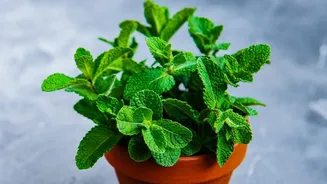
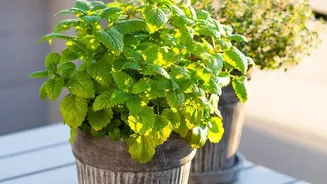
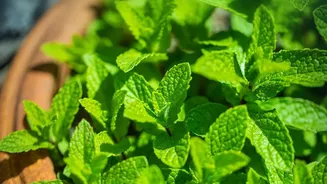
Mint, or pudina, is one of the most forgiving herbs and it generally loves the moist conditions of the monsoon. However, it too can suffer from waterlogging. Like basil, it requires well-draining soil. Mint thrives in partial sunlight, so a spot that gets gentle morning sun is perfect. This herb is known for its aggressive spreading habit. To keep it contained, grow it in its own pot—at least 12 inches wide to give it room to expand. Trim your mint regularly; this not only provides you with fresh leaves for your chai and chutneys but also encourages the plant to grow bushier and more robust. Due to the high humidity, watch out for pests like aphids.
Cultivating Crisp Lemongrass
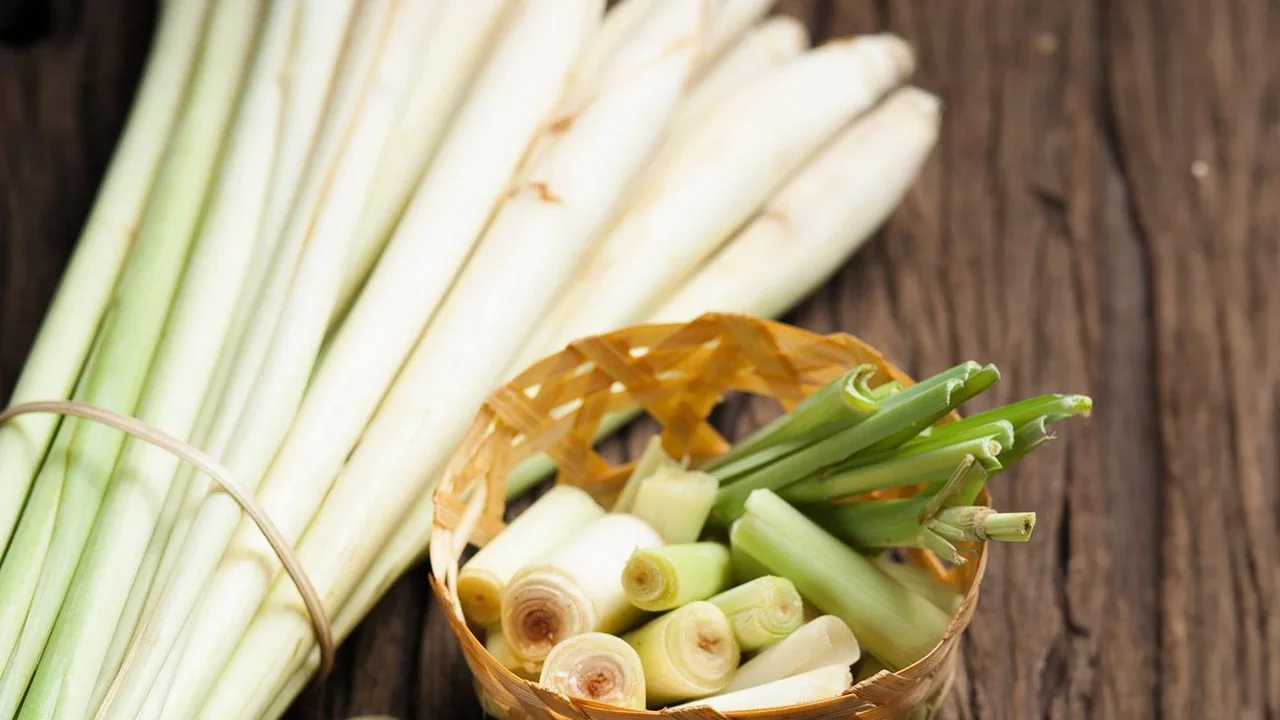
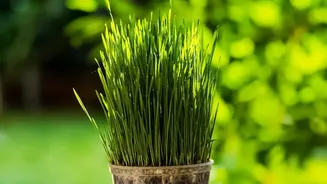
Lemongrass is a hardy, tropical grass that performs exceptionally well during the Indian monsoon. It loves water and sun. Choose a large, deep pot (at least 5 gallons) to accommodate its robust root system. While it enjoys regular moisture, the soil should still be well-draining to prevent the roots from sitting in stagnant water. Place it in a location that receives full sun. Lemongrass is a heavy feeder compared to other herbs. During the growing season, you can feed it with a balanced liquid fertiliser every few weeks to support its vigorous growth. Harvest the stalks once they are about half an inch thick at the base by cutting them at ground level. This encourages the plant to produce more shoots.
Monsoon Pest Management
High humidity and damp conditions can create a haven for pests. Slugs and snails are common during the monsoon, leaving irregular holes in leaves. You can deter them by creating a barrier of crushed eggshells around the base of your plants. Aphids are another common issue, appearing as tiny insects on the undersides of leaves and on new stems. A strong jet of water can often dislodge them, or you can spray the plant with a simple solution of soap and water. To prevent fungal issues, avoid overhead watering and ensure there is enough space between your pots for air to circulate freely.