



The Instant Energy of Sabudana
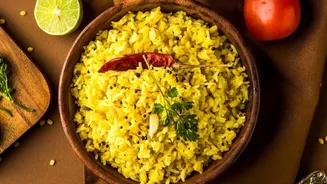
Sabudana, or tapioca pearl, is a cornerstone of Navratri fasting for good reason. It is almost entirely composed of carbohydrates, providing a quick and efficient source of energy to combat fasting-related fatigue. Since it is made from the starch of the cassava
root, it is naturally gluten-free and very easy to digest, making it gentle on a sensitive stomach. While it's primarily an energy-booster, sabudana also contains small amounts of calcium and iron. Dishes like Sabudana Khichdi, when prepared with peanuts, add a dose of protein and healthy fats, creating a more balanced meal that sustains you for longer. This combination of quick fuel and digestive ease makes it a reliable choice to keep spirits and energy high.
The Sustaining Power of Kuttu
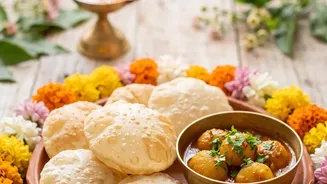
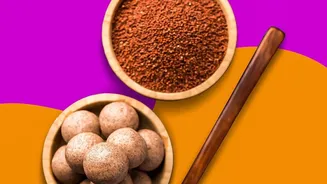
Kuttu ka atta, or buckwheat flour, is another star of the Navratri kitchen. Despite its name, buckwheat is not a type of wheat but a seed from a fruit, making it a permissible 'vrat' food and entirely gluten-free. Unlike the simple carbs in sabudana, kuttu provides complex carbohydrates, which break down slowly and offer a more sustained release of energy. This prevents the energy slumps that can occur during a long day of fasting. Furthermore, buckwheat is a nutritional powerhouse, packed with high-quality protein, dietary fiber, and essential minerals like magnesium, iron, and zinc. The fibre aids digestion, which can sometimes slow down during a fast, while the protein helps in maintaining muscle. Whether you enjoy it as crispy Kuttu Puris or a wholesome cheela, this flour ensures your energy is steady and your body remains nourished.
The Light Goodness of Makhana
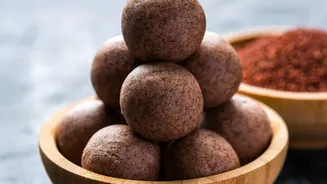
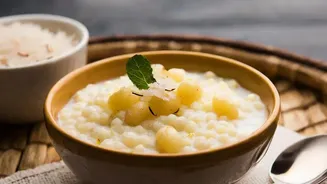
Makhana, or fox nuts, are a light yet incredibly satisfying snack perfect for Navratri. These puffed lotus seeds are low in calories and fat but rich in protein and fiber, a combination that helps you feel full without any heaviness. Their low glycemic index means they help in managing blood sugar levels, providing stable energy. Makhana is also a great source of essential minerals like magnesium, potassium, and calcium, which support heart health and strengthen bones. The presence of antioxidants like kaempferol adds anti-inflammatory benefits. A simple bowl of roasted makhana can curb mid-day hunger pangs, while Makhana Kheer offers a nutritious dessert option. It’s a versatile food that delivers a powerful crunch and a wealth of health benefits.
Building a Balanced Vrat Thali
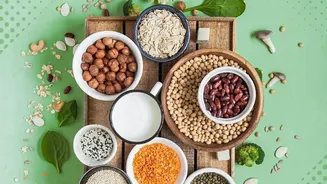
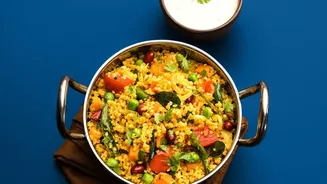
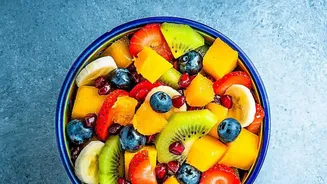
While sabudana, kuttu, and makhana are fantastic sources of energy, a truly balanced Navratri diet incorporates a variety of other permitted foods. Combining these staples with other nutrient-dense ingredients is key to a healthy fast. For instance, pairing kuttu puris with a cooling curd or raita helps balance buckwheat's natural warmth. Including fruits, root vegetables like sweet potatoes, and dairy products like paneer and milk provides essential vitamins, fibre, and additional protein. Millets like Samak (barnyard millet) are another excellent grain substitute, offering fibre and nourishment in dishes like khichdi or dosa. Staying hydrated with water, coconut water, and buttermilk is also crucial for maintaining electrolyte balance and energy levels. By creating a diverse plate, you ensure that your body gets a wide spectrum of nutrients, making your fast a rejuvenating experience.