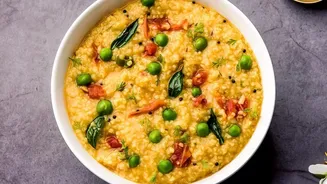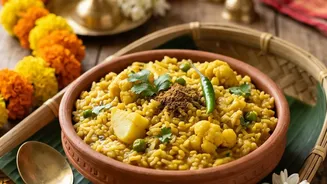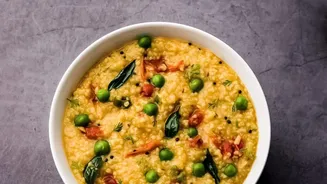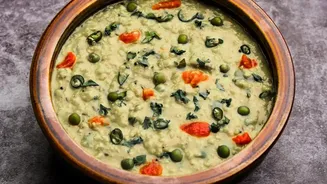

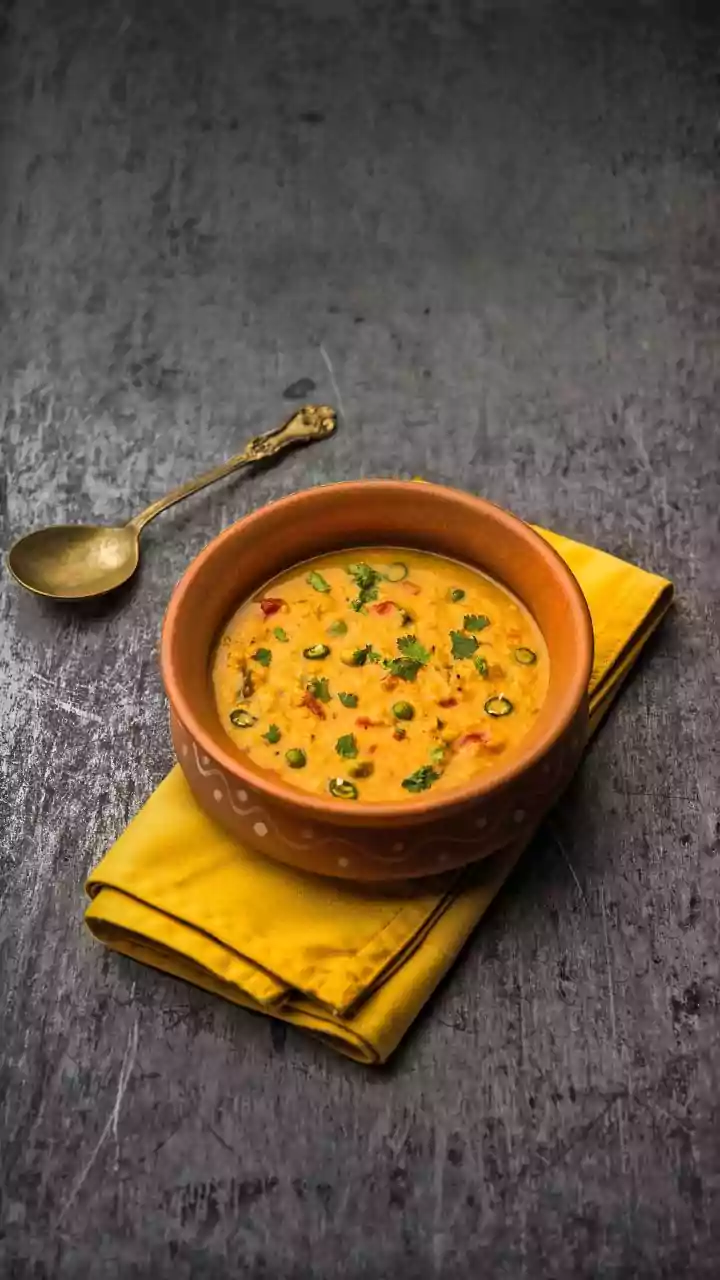
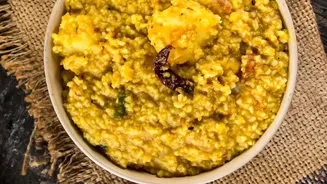
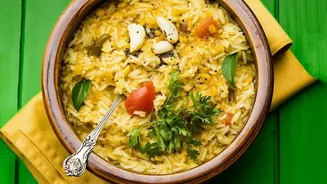
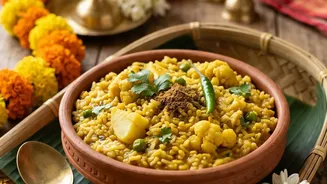
In the world of Indian comfort food, dalia and khichdi reign supreme. Both are hailed as wholesome, simple meals, but are they interchangeable? Let's break down the real differences between the whole-grain goodness of dalia and the classic duo of khichdi.
The Grain: What is Dalia?
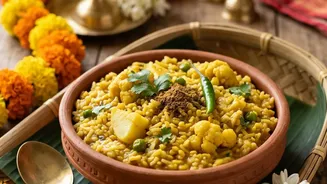
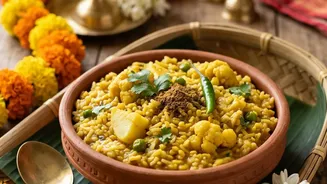
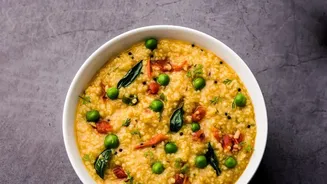
Dalia, also known as broken or cracked wheat, is a whole grain food made by coarsely grinding whole wheat kernels. Because it is minimally processed, it retains its bran and germ, which are packed with nutrients. Think of it as wheat, but broken into smaller, faster-cooking pieces. Its primary identity is that of a single-ingredient whole grain, celebrated for being a source of complex carbohydrates. This means it releases energy slowly, keeping you feeling full and energized for longer. A typical 100-gram serving of uncooked dalia packs around 12 grams of protein and a very high 10 to 12 grams of dietary fibre.
The Duo: What is Khichdi?
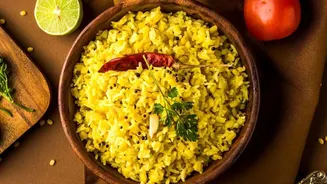
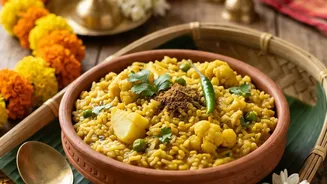
Khichdi is a classic one-pot dish built on the powerful partnership of a grain and a lentil, most commonly rice and moong dal (split mung beans). This combination is the key to its identity. While rice provides carbohydrates for energy, the lentils bring a significant amount of plant-based protein to the table. This pairing of a cereal and a legume creates a 'complete protein,' meaning it supplies all the essential amino acids your body needs, which is especially valuable in vegetarian diets. A serving of simple moong dal khichdi typically contains a balanced mix of carbs and protein, though its fibre content is generally lower than dalia's unless loaded with vegetables.
The Nutritional Showdown
When placed side-by-side, the nutritional strengths of dalia and khichdi become clear. Dalia is the undisputed champion of fibre. This high fibre content aids digestion, helps prevent constipation, and is a major advantage for weight management as it promotes a feeling of fullness. Dalia also boasts a very low glycemic index (GI), meaning it causes a slower, more gradual rise in blood sugar, making it an excellent choice for those managing diabetes. Khichdi's main advantage lies in its complete protein profile. This makes it a fantastic meal for muscle repair and recovery. It is famously gentle on the stomach and easy to digest, which is why it's the go-to comfort food during illness or for those with sensitive digestive systems. While dalia's high fibre is a benefit for most, it can be harder for a sensitive stomach to handle.
Which is Better for Your Goals?
The 'better' choice truly depends on what you need from your meal. If your primary goal is weight management, increasing your fibre intake, or controlling blood sugar, dalia is an outstanding option. Its ability to keep you feeling full for longer can help reduce overall calorie intake. On the other hand, if you need a light, soothing meal that's easy to digest, you’re recovering from being sick, or you want a complete plant-based protein in one pot, khichdi is the winner. It is the ultimate comfort food for nourishing the body without taxing the digestive system.
Beyond the Basics
It’s important to remember that the final nutritional value of either dish is heavily influenced by how it's prepared. A simple, savoury vegetable dalia cooked with minimal oil is a low-$calorie$, high-$fibre$ powerhouse. But a 'meetha dalia' made with milk and sugar becomes a calorie-$dense$ dessert. Similarly, a basic khichdi is light and healthy, but a restaurant-$style$ version with a generous tadka of ghee can be much higher in fat and calories. You can boost the health quotient of either dish by loading it with vegetables to add vitamins and even more fibre. In fact, one of the healthiest preparations combines the best of both worlds: a 'dalia khichdi,' which uses broken wheat instead of rice and cooks it with lentils.