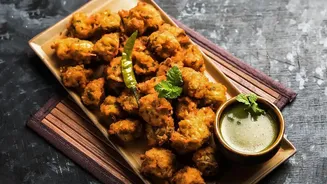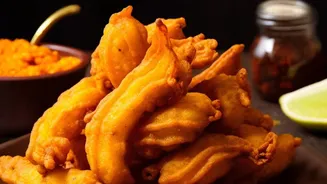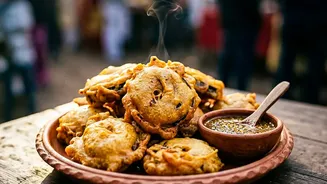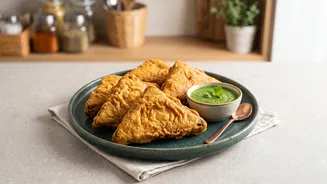

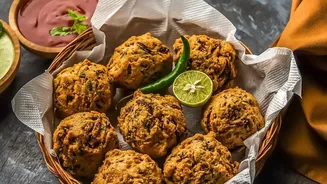
The Heart of the Matter: The Aloo Stuffing
The journey to an authentic bread pakora begins with its soul: the spicy potato filling. Street vendors perfect this by creating a balanced, flavourful mixture that is tangy, spicy, and deeply savoury. To start, boil a few medium-sized potatoes until
they are tender but not mushy. Once they have cooled slightly, peel and mash them coarsely. The texture is key; you want some small chunks for a better mouthfeel. Now, heat a little oil in a pan and temper it with cumin seeds, crushed coriander seeds, and perhaps some fennel seeds for that characteristic aroma. Add finely chopped ginger and green chillies, sautéing for a minute before adding powdered spices like turmeric, red chilli powder, amchur (dry mango powder) for tang, and garam masala. Some recipes also include chaat masala for an extra kick. Mix in the mashed potatoes, fresh coriander, and salt, cooking everything together for a few minutes to allow the flavours to meld. Let this filling cool completely before using it.
The Main Event: Preparing the Bread
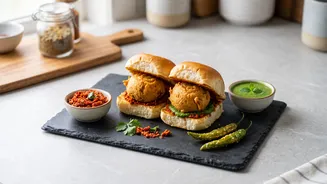
This is where many home attempts fall short of the street-style ideal. The choice and preparation of the bread are crucial for structure and taste. While any sliced white bread works, slightly older or day-old bread is often preferred as it's less moist and holds its shape better when fried. Fresh, overly soft bread can become soggy. Take two slices of bread. Many vendors and recipes suggest spreading green chutney on one slice and sometimes a sweet tamarind chutney on the other. This not only adds a layer of flavour but also helps the potato stuffing adhere. Spoon a generous amount of the cooled aloo mixture onto one slice and spread it evenly. Place the other slice on top to form a sandwich. Now, press down firmly but gently. This step is important to compact the filling and seal the sandwich, which prevents it from opening up during frying. Finally, cut the sandwich diagonally to create two neat triangles. Properly pressed sandwiches are the foundation of a successful bread pakora.
The Golden Armour: Crafting the Besan Batter
The batter, or 'ghol', is what gives the pakora its signature crispy coating. The consistency is paramount. It should be thick enough to coat the back of a spoon but still flow smoothly; too thin, and the pakora will be oily, too thick, and the coating will be dense and doughy. Start with good quality besan (gram flour) in a mixing bowl. To this, add spices like ajwain (carom seeds), turmeric, red chilli powder, and salt. For extra crispiness, a tablespoon or two of rice flour or cornflour is a widely used trick. Gradually add water while whisking continuously to create a smooth, lump-free batter. A pro-tip from many cooks is to add a pinch of baking soda and a teaspoon of hot oil from the frying pan into the batter just before you start frying. This makes the coating lighter and crunchier.
The Final Act: Frying for the Perfect Crunch
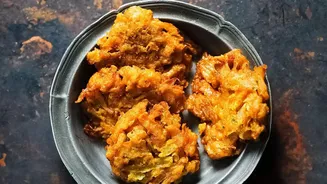
Frying is the final, transformative step. The oil temperature is critical for success. Heat oil in a kadai or deep pan over a medium-high flame. The oil should be hot but not smoking. To test it, drop a small bit of batter in; if it sizzles and rises to the surface steadily, the oil is ready. If it sinks, the oil is too cold, and if it browns instantly, it's too hot. Frying at the wrong temperature is a common mistake that leads to either greasy or burnt pakoras. Carefully take one stuffed bread triangle and dip it into the besan batter, ensuring it's coated evenly on all sides. Let any excess batter drip off before gently sliding it into the hot oil. Don’t overcrowd the pan; fry in batches to maintain the oil temperature. Fry for a few minutes on each side, until the pakoras are a deep golden brown and audibly crisp. Remove them with a slotted spoon and place them on a wire rack or paper towels to drain any excess oil.