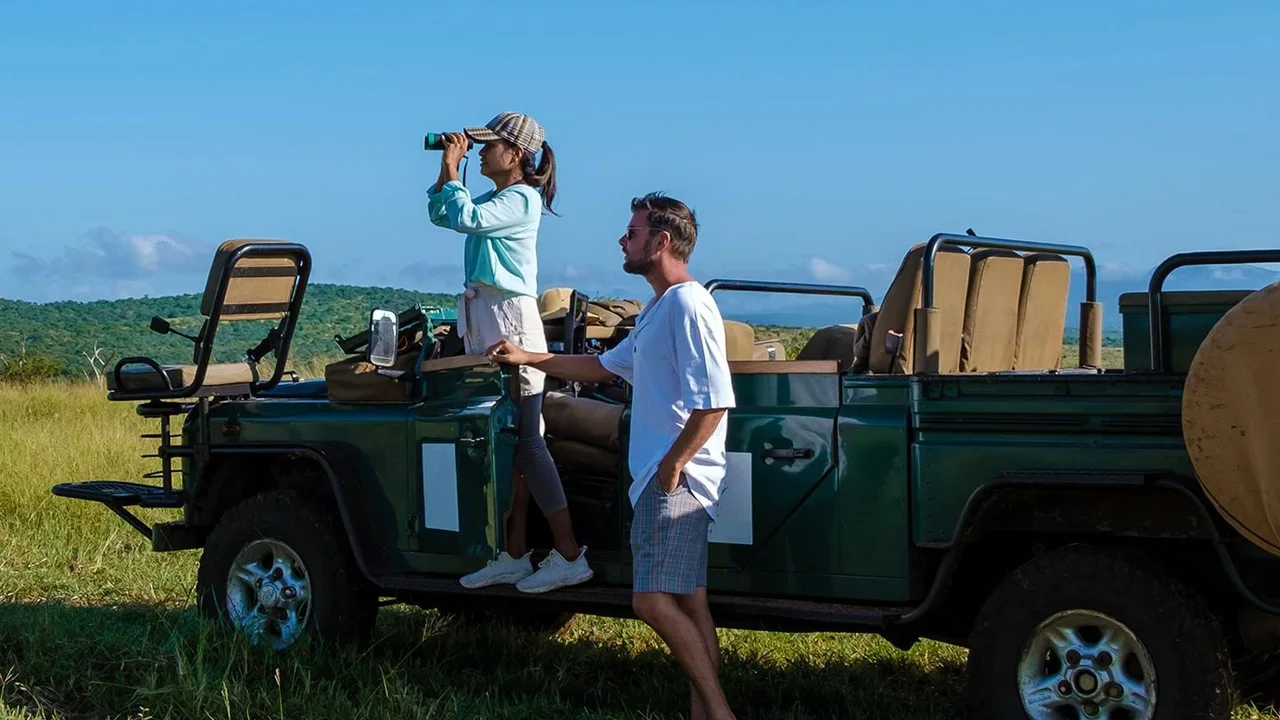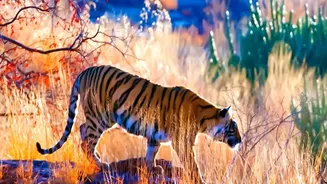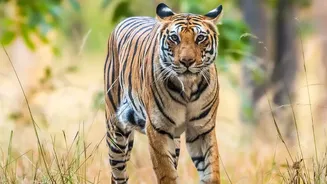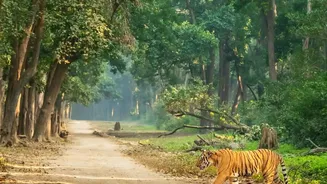





As the winter chill sets in across India, the country's national parks transform. The cooler, clearer days and thinner vegetation create perfect conditions for wildlife spotting, offering a unique safari experience far from the summer heat.
Ranthambore National Park, Rajasthan
Ranthambore
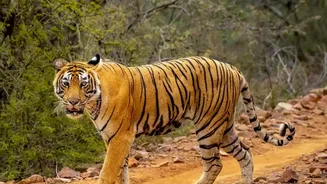
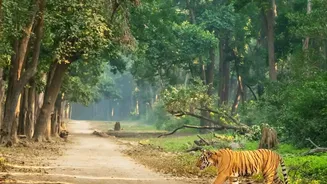
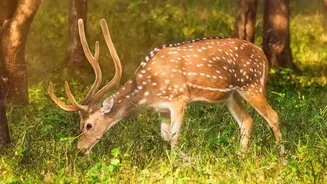
is a classic for a reason, especially in winter. The pleasant weather between October and March makes for comfortable safari drives through its dramatic landscape of dry forests, ancient ruins, and shimmering lakes. This season offers a higher chance of spotting the park's famous Bengal tigers, as they often come out to bask in the winter sun. Beyond tigers, the park is a haven for leopards, sloth bears, sambar deer, and marsh crocodiles. Winter is also the best time for birdwatching, as migratory species join the 300-plus resident bird species, flocking to water bodies like Padam Talao and Rajbagh Talao. The soft morning light and occasional mist create a stunning, almost magical backdrop for photography, making every safari a visual treat.
Jim Corbett National Park, Uttarakhand
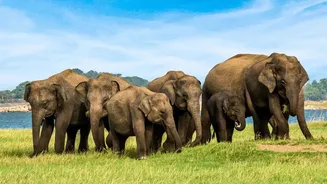
As India's oldest national park, Jim Corbett offers a quintessential winter safari experience. From November to February, the weather is crisp and pleasant, with daytime temperatures ideal for exploring its diverse terrain. Winter safaris are defined by clarity and contrast, with morning fog giving way to clear, sunlit forests. This improved visibility increases the chances of spotting majestic Asiatic elephants, elusive tigers, and leopards. The park, which includes the famous Dhikala zone, is also a paradise for birders during these months, with over 580 resident and migratory bird species making their presence felt. The cooler temperatures mean animals are more active during the day, providing ample opportunity for memorable sightings against the backdrop of the Himalayan foothills.
Kaziranga National Park, Assam
For Kaziranga, winter isn't just a good time to visit; it's the primary season. The park is open from November to April, as it remains closed during the monsoon floods. This UNESCO World Heritage Site is globally famous for hosting the world's largest population of the greater one-horned rhinoceros. During the winter months of November to February, the weather is mild and dry, and the park authorities often burn the tall elephant grass, which significantly improves visibility for wildlife viewing. This makes it the perfect time to see not just rhinos, but also tigers, elephants, and wild water buffalo. The park's wetlands and beels also attract a spectacular array of migratory birds, making it a top destination for birdwatchers.
Tadoba Andhari Tiger Reserve, Maharashtra
Often called 'The Jewel of Vidarbha', Tadoba is renowned for its high tiger density, and winter provides a comfortable and rewarding window to visit. From October to February, the weather is pleasant, a stark contrast to the intense summer heat. On cold mornings, tigers are frequently seen walking along safari tracks to soak up the sun. As the season progresses, the forest foliage thins out, further improving sighting opportunities for not just tigers, but also leopards, sloth bears, wild dogs (dholes), and gaur. The post-monsoon freshness leaves the landscape lush and green in early winter, making for beautiful photography. This season also marks the arrival of migratory birds, adding another layer to Tadoba's rich biodiversity.
Hemis National Park, Ladakh
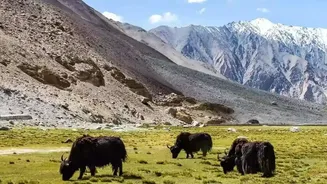
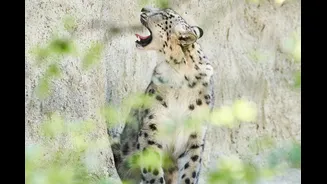
For the truly adventurous, a winter trip to Hemis National Park offers a once-in-a-lifetime quest: to spot the elusive snow leopard. This high-altitude park is considered the best place in the world to see this ghost of the mountains. The best time for a sighting is during the harsh winter months, specifically January and February. The extreme cold and heavy snow force the snow leopards and their prey, like the blue sheep (bharal), to descend to lower altitudes within the valleys, making them more accessible to patient trekkers. This is not a typical jeep safari; it involves guided treks in sub-zero temperatures and requires proper acclimatization in Leh. The reward, however, is an unparalleled wildlife experience amidst the stark, breathtaking beauty of the Ladakhi Himalayas.