




A Shift Beyond Standard Menus
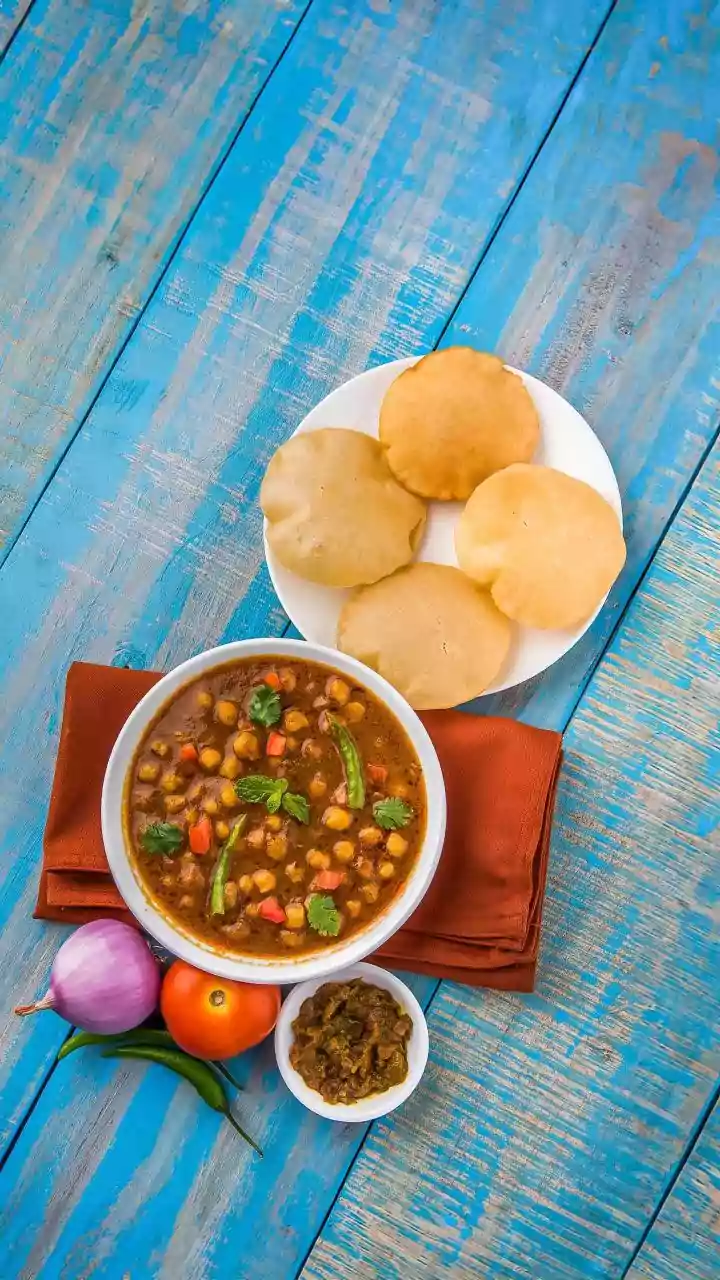
For decades, eating Indian food outside the home often meant a predictable menu of popularised Punjabi dishes. While delicious, this fare represented only a fraction of the subcontinent's true culinary diversity. Today, that landscape is changing dramatically.
A growing appetite for authenticity is driving a movement towards hyper-local and regional cuisines. It's a shift from the generic to the specific, celebrating the unique food traditions of communities from Nagaland's smoked pork with bamboo shoot to Kerala's comforting Avial. This isn't just a trend; many chefs and food historians consider it a cultural preservation movement, acknowledging the sheer diversity of food in a country where culinary traditions can shift every hundred kilometres.
The Home Chef Takes Centre Stage
At the heart of this revival are the home cooks—grandmothers, fathers, and young professionals alike—who are now sharing their family's heritage with the public. Once confined to their own dining tables, these custodians of culinary tradition are finding new platforms. Many have transitioned from their home kitchens to hosting pop-ups, running delivery services, or even leading catering for large events. For them, it's about more than just food; it's a way to share stories, reconnect with their roots, and offer a personalised alternative to mass-produced meals. This direct interaction with diners also provides invaluable feedback and a strong sense of community.
Pop-Ups: The New Culinary Theatres
The pop-up dining scene has become the perfect incubator for this movement. Unlike traditional restaurants, which require significant investment, pop-ups offer a flexible and lower-risk canvas for chefs to experiment and showcase niche cuisines. These temporary, often intimate, dining events create a sense of exclusivity and buzz, attracting adventurous diners eager for a unique experience. Hotels and restaurants are also getting involved, hosting pop-ups that feature home chefs specialising in everything from Himachali Dham to forgotten recipes from royal kitchens. This format allows for creativity and agility, introducing new talent and promoting regional ingredients to a wider audience.
Why Now? An Appetite for Authenticity
Several factors are fuelling this culinary renaissance. The post-pandemic era has seen a greater appreciation for comfort, nostalgia, and authentic experiences. At the same time, a more informed and well-travelled urban diner is actively seeking deeper culinary stories beyond the mainstream. Social media has also played a crucial role, allowing home chefs to build a following and food lovers to discover dishes they might never have encountered otherwise. There is a growing realisation that many traditional recipes, passed down orally, are at risk of being lost. This has created an urgency among chefs and food archivists to document and revive these edible histories before they disappear.
Preserving More Than Just Recipes
This movement is about more than just satisfying hunger; it's a vital act of cultural preservation. Dishes like Odisha's fermented Pakhala Bhata or Assam's distinctive Khar are not just meals; they are stories of a place, its climate, and its people. By bringing these hyperlocal traditions into the spotlight, chefs and home cooks are ensuring that this knowledge survives. They are reviving forgotten grains, documenting tribal foodways, and celebrating the resourcefulness of their ancestors. This focus on heritage reminds us that food is memory, and every recipe saved is a piece of history passed on to the next generation.