



The K-Drama Catalyst
It all started on screen. In Korean dramas, food is never just a prop; it’s a character in its own right. It’s used to show love, mend broken hearts, celebrate success, and console failure. When the leads of *Crash Landing on You* share a simple meal
of fried chicken and beer (chimaek), it’s a moment of cultural connection. When the squad in *Itaewon Class* gathers over soju and stews, it signifies camaraderie. Indian audiences, who have a deep-rooted appreciation for food’s role in storytelling and family life, were instantly hooked. The explosion of OTT platforms during the pandemic lockdowns didn’t just bring Korean stories into our homes; it brought a full-fledged culinary showcase. Every close-up of glistening noodles, every satisfying crunch of a corn dog, created a powerful, shared craving across the country.
From Fictional Feeds to Real Demand
This constant visual feasting created a unique market dynamic: a massive, latent demand for foods many had never tasted. The desire wasn't just about curiosity; it was about participating in a culture they had come to admire. Fans wanted to taste the spiciness of the gochujang sauce they saw characters sweating over. They wanted to experience the comfort of a warm fish cake skewer (odeng) on a cold evening, even if that evening was in Bengaluru and not Seoul. Social media further amplified this. Instagram feeds filled up with screenshots from dramas, captioned with “I need this now!” The demand was vocal, passionate, and waiting for someone to meet it. It was a marketer’s dream—a product with millions of pre-existing, emotionally invested potential customers.
Enter the K-Food Entrepreneurs
And meet it they did. A wave of savvy Indian entrepreneurs, many of whom were K-drama fans themselves, recognised this glaring gap in the market. The first wave began with small, home-based kitchens and cloud kitchens, which were perfectly suited to the post-pandemic delivery boom. These entrepreneurs began importing key ingredients like gochujang (fermented chilli paste) and gochugaru (chilli powder) to ensure authenticity. They started small, often promoting their menus on Instagram to the very communities that were driving the demand. From Delhi’s Majnu-ka-tilla, which has long been a hub for East Asian culture, to pop-up stalls in Mumbai and dedicated cafes in Chennai, the supply chain for Korean street food was built from the ground up by local business owners who understood both the culture and the customer.
The Stars of the Street
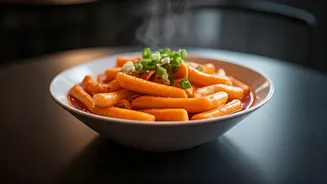
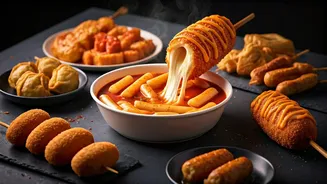
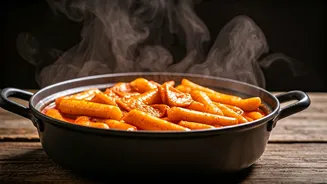
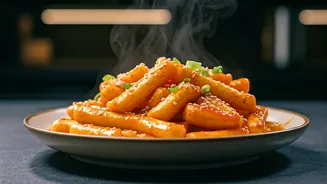
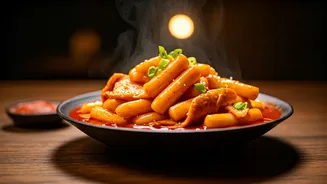
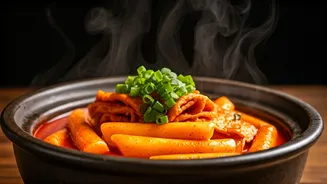
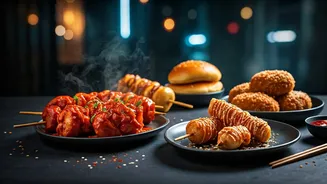
So, which dishes made the leap from screen to street with the most success? The undisputed star is Tteokbokki—chewy rice cakes swimming in a sweet and spicy red sauce. It’s dramatic, vibrant, and a staple in countless drama scenes. Next up is the Korean Corn Dog, a visually spectacular creation often coated in ramen noodles or potato cubes, filled with cheese and sausage, and served on a stick. It’s perfect for Instagram and delivers a satisfying cheese-pull. Gimbap, the versatile seaweed rice roll, became a popular and convenient takeaway option, much like a desi roll. Other favourites like odeng (fish cake skewers in broth) and hotteok (sweet pancakes) also found their place, offering a comforting and authentic taste of Seoul’s bustling food markets.
A Touch of Indian Adaptation
The final step in any culinary crossover is adaptation. While authenticity is a major selling point, smart vendors have also tweaked dishes to better suit the Indian palate. This often means offering vegetarian or paneer-filled versions of dishes that are traditionally meat-based. Some eateries might dial up the spice level in their tteokbokki sauce, knowing their customers’ love for a fiery kick. You might find corn dogs filled with spiced potatoes or a wider array of vegetarian gimbap options. This gentle fusion doesn’t dilute the experience; it enriches it, making Korean food more accessible and integrated into India’s diverse culinary landscape. It’s the final, delicious proof that the cuisine is here to stay.