








What is the Coastal Regulation Zone?
The Coastal Regulation Zone, or CRZ, is a legal framework established by the Indian government to manage activities along the country's vast coastline. Enforced under the Environment Protection Act, 1986, its primary goal is to protect fragile coastal
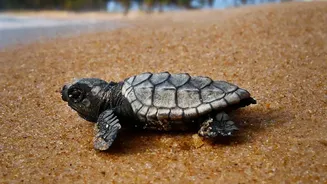
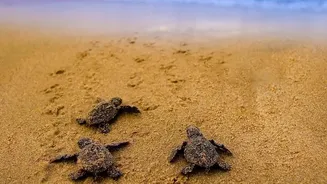
ecosystems like mangroves, sand dunes, and marine life from uncontrolled development. In Goa, these rules are implemented by the Goa Coastal Zone Management Authority (GCZMA). The regulations classify coastal areas into different zones, each with its own set of rules. The strictest of these is CRZ-I, which is designated for ecologically sensitive areas where most forms of construction are prohibited to preserve the natural environment. This category specifically includes turtle nesting grounds.
The New Proposal: 24 Beaches Identified
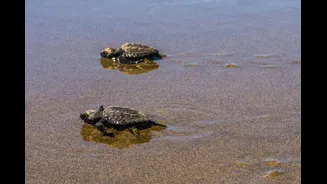
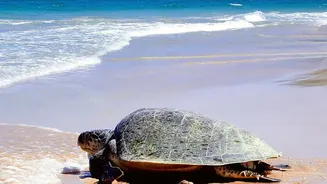
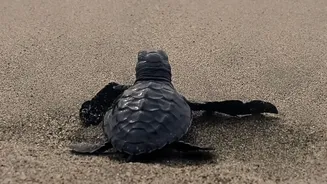
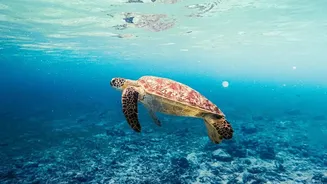
Goa's Forest Department has recently proposed that 24 beaches across the state be officially designated as turtle nesting sites under the CRZ Notification, 2019. Previously, only four beaches—Morjim, Mandrem, Agonda, and Galgibag—were formally recognised as such. The new list is far more extensive, including 10 beaches in North Goa and 14 in South Goa. The northern beaches are Morjim, Mandrem, Ashvem, Arambol, Keri, Vagator, Baga, Calangute, Candolim, and Miramar. The southern list includes Agonda, Galgibag, Rajbag, Talpona, Palolem, Patnem, Cola, Cabo de Rama, Mobor, Cavelossim, Varca, Carmona, and Baina. The proposal was prompted by concerns over a decline in the number of Olive Ridley turtle nests recorded in recent seasons compared to a strong season in 2024.
What Stricter Protections Would Mean
Designating these 24 beaches as turtle nesting sites under the CRZ framework would classify them as CRZ-I areas, affording them the highest level of environmental protection. This would likely lead to stricter controls on activities, especially during the nesting season from October to May. Potential restrictions could include tighter regulations on artificial lighting, loud music, and vehicle movement on the beach at night, all of which can disorient and disturb nesting turtles and their hatchlings. It would also have implications for temporary structures like beach shacks and other tourism-related activities that currently operate on many of these popular beaches. The goal is to formulate a detailed environment management plan for these sensitive areas to maintain the integrity of the coast.
Balancing Conservation with Livelihoods
The proposal has raised significant concerns among local business owners and traditional communities who depend on the coast for their livelihoods. The Shack Owners Welfare Society has expressed worries that declaring so many popular tourist beaches as protected sites could negatively impact not just shack owners but the entire tourism ecosystem. They argue that while they support turtle protection, a balance must be found that doesn't disrupt local livelihoods. Similarly, traditional fishermen are concerned about potential restrictions on their access to the beaches for their fishing activities. Stakeholders are seeking clarity from the authorities on the exact nature of the proposed restrictions and whether existing activities will be allowed to continue under regulated conditions. The debate highlights the complex challenge of protecting endangered species while sustaining the tourism-driven economy that is vital to Goa.