






The Royal Touch of Nut Pastes
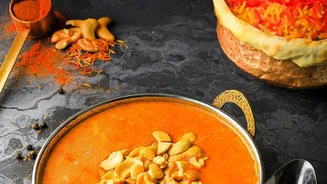
For a truly regal and rich gravy, look no further than nuts. Cashews are the most popular choice, lending a mild, sweet creaminess that doesn't overpower the spices. Almonds work well too, though they have a slightly more pronounced flavour. The method
is simple: soak raw, unsalted cashews or blanched almonds in hot water for at least 30 minutes to soften them. Then, drain and blend them with a little fresh water until you have a completely smooth, thick paste. This paste is typically added towards the end of the cooking process. Stir it into your curry and let it simmer for another 5-10 minutes. The starches in the nuts will thicken the sauce beautifully, creating a silky texture perfect for dishes like korma, butter chicken variations, and other Mughlai-style preparations.
The Subtle Body of Seed Pastes
For a different kind of creaminess, seeds are a traditional secret. White poppy seeds (khus khus) are a classic thickener in Indian cuisine, especially in Bengali and other regional dishes. They impart a subtle, nutty flavour and a unique, thick consistency. Like nuts, they need to be soaked in water for at least 30-60 minutes before being ground into a fine paste. This paste is often cooked along with the onion-tomato base to ensure the raw taste is gone. Melon seeds (magaz) are another excellent option, prized for being neutral in flavour while adding significant body to gravies. Often, a combination of cashew, poppy, and melon seeds is used to create a complex, layered richness that cream alone cannot replicate.
The Power of Coconut
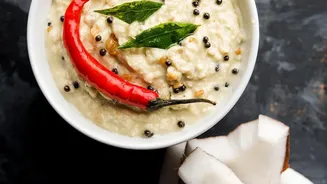
Coconut is a cornerstone of dairy-free creaminess, especially in South Indian, coastal, and Thai-inspired curries. Full-fat coconut milk is the easiest and most common option. For the best results, don't shake the can before opening. Scoop the thick, coagulated cream from the top to use for finishing a dish, and use the thinner liquid during the initial cooking phases. Coconut milk adds its signature sweet, fragrant flavour, which pairs wonderfully with seafood, chicken, and vegetable curries. It should be added towards the end of cooking and simmered gently, as boiling it too vigorously can cause it to split. For a more intense flavour, you can also use freshly grated coconut ground into a paste.
The Foundational Onion-Tomato Base
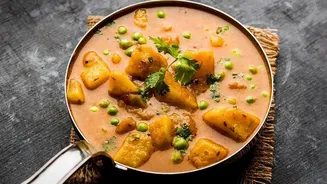
Never underestimate the power of your curry's foundation. A well-prepared onion and tomato base is the starting point for a naturally thick and luscious gravy, no additions needed. The trick lies in the cooking process. Sautéing finely chopped or pureed onions patiently until they are deeply golden brown builds a sweet, rich base. After adding ginger, garlic, and spices, pureed tomatoes are cooked down until the mixture darkens and oil begins to separate from the masala. This slow cooking process breaks down the vegetables and concentrates their flavours, creating a thick, flavour-packed sauce that forms the backbone of countless North Indian dishes. Blending this base can create an even smoother, restaurant-style texture.
The Rustic Charm of Flours and Lentils
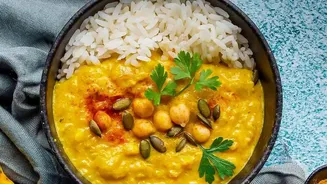
For a heartier, more rustic texture, flours and lentils are an excellent, budget-friendly choice. A small amount of gram flour (besan) can be dry-roasted until fragrant and then added to a curry to thicken it and impart a nutty flavour. Alternatively, you can make a slurry by mixing the besan with a little water before adding it to the pot to avoid lumps. This is a common technique in Punjabi and Rajasthani cuisine. Cooked and mashed lentils, such as red lentils (masoor dal), can also be stirred into a vegetable curry. They dissolve into the sauce, adding protein, fibre, and a wonderful, hearty body that is both nutritious and satisfying. It's a simple trick that works beautifully for home-style sabzis and dals.