




The Post-Pandemic Professional Exodus
The COVID-19 pandemic didn't just change where we work; it fundamentally altered what we want from work. Forced into a global remote-work experiment, many young Indian professionals in cities like Mumbai and Pune realised that if they could work from anywhere,
it didn't have to be a cramped city apartment. This realisation sparked a quiet migration. While destinations like Goa and the hills of Himachal became initial hotspots, a growing cohort is now looking closer to home, seeking a blend of connectivity and tranquility that the Konkan coast, stretching south from Mumbai, offers in abundance.
Konkan's Allure: Beyond Goa's Shadow
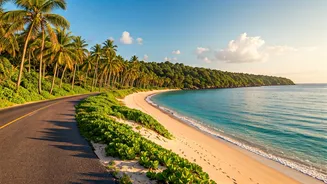
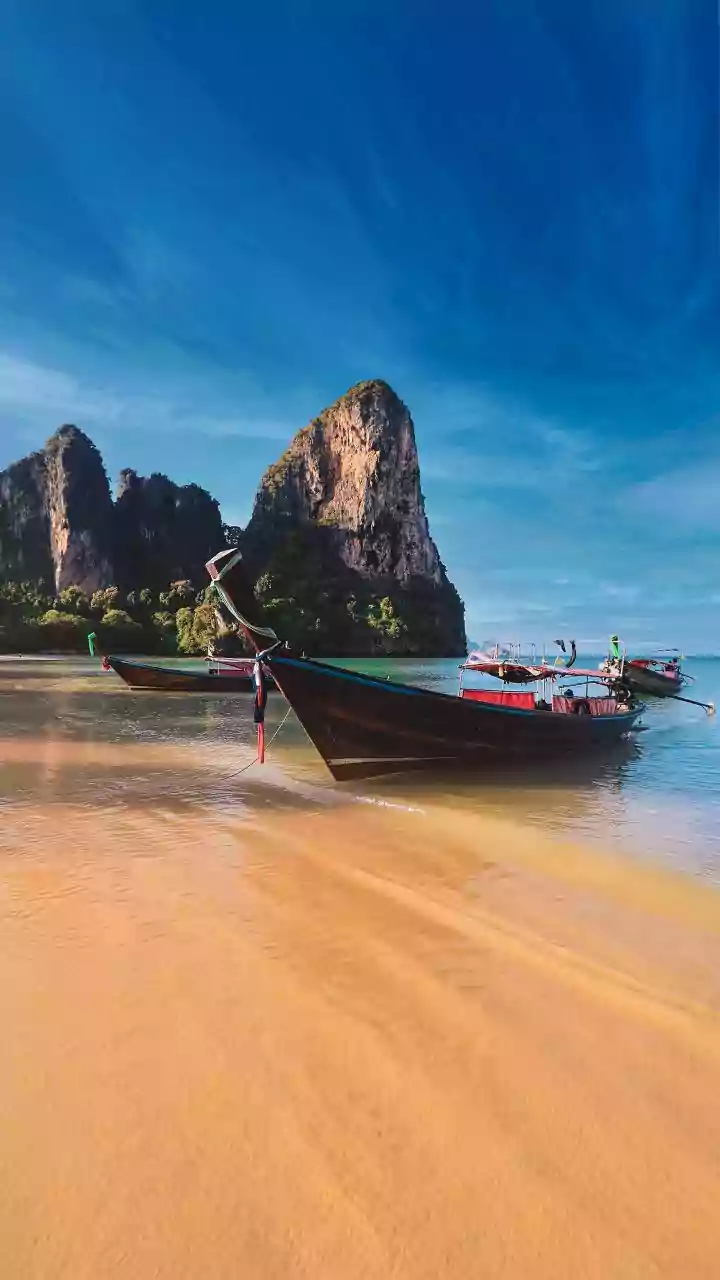
For decades, Goa has been the undisputed king of India's coastal work-and-play destinations. But its popularity has brought crowds, commercialisation, and soaring costs. Young professionals are now discovering Konkan as the quieter, more authentic alternative. Towns like Vengurla, Malvan, Shrivardhan, and Ganpatipule offer pristine, often empty beaches, lush green landscapes, and a slower, more community-oriented pace of life. The appeal is simple: the serenity of Goa from 20 years ago, but with 4G connectivity. It’s a place where one can hear the waves during a Zoom call and replace post-work traffic jams with a stroll through a coconut grove.
The Digital Nomad's Checklist
The dream of working from a beach is only viable if the Wi-Fi holds up. A few years ago, the Konkan coast would have failed this basic test. However, the rapid expansion of 4G and even 5G networks by providers like Jio and Airtel has been a game-changer. This improved digital infrastructure is the single biggest enabler of this trend. In response to the influx, local homestays, guesthouses, and a new wave of boutique cafes are specifically marketing their reliable internet connections and power backups. While a sudden power cut or a network drop during a monsoon storm is still a possibility, the infrastructure is now robust enough for most digital professions, from coding and graphic design to content writing and online marketing.
A New Coastal Economy
This new demographic is subtly reshaping local economies. Unlike tourists who visit for a weekend, these remote workers stay for weeks or months. They rent homes, buy local produce, frequent neighbourhood restaurants, and create a steady stream of revenue outside the traditional tourist season. This has encouraged local entrepreneurs to cater to their needs. The result is a budding ecosystem of 'work-friendly' cafes, co-living spaces offering monthly packages, and scooter rentals becoming long-term leases. It represents a more sustainable form of tourism—one based on integration rather than brief, high-impact visits. This slow-burn economic boost provides income without the overwhelming pressure that mass tourism can exert on local infrastructure and culture.
The Paradise Tax: Reality on the Ground
Of course, life in a coastal village is not without its challenges. The 'paradise tax' is real. Access to specialised healthcare, high-end shopping, and the sheer variety of entertainment found in a metro area is limited. After the initial novelty wears off, some may find the quietness bordering on isolation, especially if a strong community hasn't been established. There's also the looming threat that the very thing drawing people to the 'hidden' Konkan—its untouched charm—could be eroded by its newfound popularity. The risk of unregulated development and rising property prices could turn it into the next overcrowded hotspot it sought to be an alternative to. For now, the balance holds, but it's a delicate one.