





Why These Green Roommates Rule
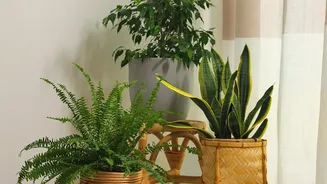
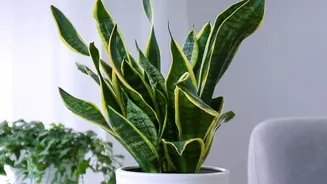
Snake plants (Dracaena trifasciata, formerly Sansevieria) and pothos (Epipremnum aureum) are staples in Indian homes for good reason. They are renowned for their resilience and air-purifying qualities. The snake plant, with its upright, architectural
leaves, adds a modern touch, while the pothos, often called money plant, offers lush, trailing vines. Both are incredibly forgiving, making them ideal for beginners, busy students, or anyone who thinks they don't have a 'green thumb'. They tolerate a wide range of conditions and bounce back from occasional neglect, making them perfect for a low-stress desk setup.
The Golden Rule of Light
Both plants are famously adaptable to various light levels, which is why they're great for indoor spaces that don't get sun all day. They thrive best in bright, indirect sunlight—think of a spot near a window but out of the harsh, direct rays that can scorch their leaves. However, they also tolerate low-light conditions, like a corner of a room illuminated mostly by lamps. In lower light, their growth might slow down, and a variegated pothos might lose some of its colouring, but they will survive and stay healthy.
Watering Without the Worry
The single most common mistake with these plants is overwatering. Both prefer their soil to dry out between waterings. For snake plants, this is especially critical as they are succulents that store water in their leaves and are prone to root rot. A good rule of thumb is to water them only when the soil is completely dry, which could be every 2-4 weeks in the summer and even less—once a month or longer—in the winter. Pothos is a bit thirstier but still doesn't like 'wet feet'. Water it thoroughly when the top inch or two of soil feels dry, roughly every 1-2 weeks. If you see its leaves start to droop slightly, that's a clear sign it's ready for a drink.
The Right Foundation: Soil and Potting
Good drainage is non-negotiable for both plants. Using a well-draining potting mix is essential to prevent water from sitting around the roots. For a snake plant, a cactus or succulent mix is ideal because it's sandy and drains quickly. You can also make your own by adding sand or perlite to a standard potting mix. Pothos is happy in a standard, well-draining houseplant soil. No matter which plant you have, ensure its pot has drainage holes at the bottom. This allows excess water to escape, which is the best defence against root rot.
Tips for a Thriving Pothos
To keep your pothos looking full and bushy rather than long and stringy, don't be afraid to prune it. Trimming back the long vines encourages new growth closer to the base of the plant. You can easily propagate the cuttings by placing them in a jar of water. Once roots appear, you can plant them back in the same pot for an even fuller look or start a new plant. Wiping the heart-shaped leaves with a damp cloth every few weeks removes dust and helps the plant absorb more light.
Caring for Your Snake Plant
The mantra for snake plant care is 'less is more'. These plants thrive on neglect. They prefer to be slightly root-bound in their pots, so you only need to consider repotting every 2-3 years, or when you see roots pushing out of the drainage holes. Like pothos, their leaves can collect dust; wiping them down occasionally with a damp cloth keeps them looking their best and helps with photosynthesis. Given their slow growth, they require very little fertiliser—a light feeding once or twice during the main growing season (spring and summer) is plenty.