







From Niche to Necessity
Welcome to the world of sleep tourism, a rapidly growing sector of the wellness industry catering to the chronically tired. The concept goes far beyond a hotel simply offering a comfortable bed. These are highly structured, intentional trips designed
around a single goal: helping guests improve their sleep. Instead of a packed schedule of tours and dinners, the itinerary might feature guided meditation, consultations with sleep coaches, and strict lights-out policies. The trend is a direct response to a society grappling with burnout, digital overload, and the lingering stress of recent years. The market is substantial, with some analysts projecting it to grow by hundreds of billions of dollars globally by 2028 as more people decide that the ultimate luxury isn't a packed schedule, but a restorative one.
The Allure of Altitude
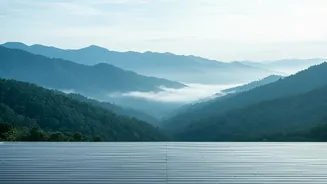
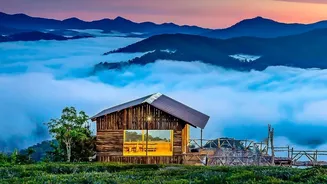
A key part of this trend involves a specific type of destination: the hill station retreat. By removing guests from the noise, pollution, and light of the city, these mountain hideaways provide a powerful environmental reset. The appeal is multi-faceted. The crisp, clean mountain air, cooler temperatures, and profound quiet are intrinsically relaxing and conducive to better sleep. Being surrounded by nature has been shown to lower cortisol, the body's primary stress hormone, while the natural light of the sun helps reset the body's internal clock, or circadian rhythm. These retreats leverage their natural surroundings, offering forest bathing, gentle hikes, and rooms with sweeping valley views, turning the landscape itself into a key therapeutic tool.
Inside the Sleep Laboratory
While nature provides the backdrop, modern science provides the methodology. These retreats are not just about quiet and comfort; they are increasingly tech-infused and evidence-based. Guests might find their beds equipped with smart mattresses that track sleep cycles and adjust firmness throughout the night. Rooms often feature advanced air purification systems, sound machines programmed with specific frequencies, and circadian lighting systems that mimic the natural progression of sunlight to regulate melatonin production. The experience is often supported by a team of experts, including sleep psychologists, nutritionists, and yoga instructors who provide personalized programs. This can include everything from creating a sleep-friendly diet to sessions in mindfulness and breathing exercises designed to calm the nervous system.
Learning to Sleep Again
The ultimate goal of a sleep retreat isn't just to help you catch up on rest for a few nights. It's to provide you with the tools and habits to permanently improve your sleep hygiene once you return home. Many programs conclude with a personalized plan that guests can implement in their daily lives. This might include recommendations for a new evening routine, dietary adjustments, or mindfulness techniques to manage stress. The aim is to re-educate guests on the fundamentals of sleep, breaking the cycle of hyper-arousal and anxiety that plagues so many insomniacs. It reframes sleep not as a passive activity, but as a skill that can be learned and honed with the right guidance and environment.