







The End of an Era
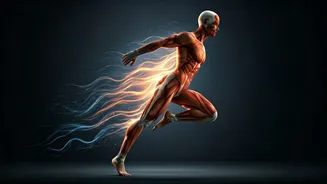
Remember the workout montages of the 80s and 90s? Dripping sweat, gritted teeth, and pushing through exhaustion were glorified as the only path to strength. The 'no pain, no gain' mindset wasn't just a catchy phrase; it was the dominant culture in gyms
everywhere. It championed volume and intensity above all else, treating rest as a sign of weakness. But this relentless approach has a hidden cost: burnout, injury, and stagnating progress. Modern fitness science and a cultural shift towards holistic well-being are rewriting the rules. The new understanding is that exercise is the stimulus for change, but the actual change—muscle growth, improved endurance, and increased strength—happens during periods of recovery. Pushing your body to its limit without giving it a chance to rebuild is like constantly revving an engine without ever changing the oil. Eventually, it breaks down.
The Science of Smart Rest
So, what exactly happens when you recover? It’s not just about letting your muscles stop aching. On a physiological level, recovery is an intensely active process. Intense exercise creates microscopic tears in your muscle fibres. During rest, your body initiates a process called muscle protein synthesis to repair these tears, making the fibres thicker and stronger than before. This is the very foundation of getting stronger. Beyond muscles, your central nervous system (CNS) also takes a beating. Overtraining can keep your body in a constant state of 'fight or flight' (a sympathetic state), leading to high cortisol levels, poor sleep, and fatigue. Proper recovery techniques, like meditation, stretching, or even quality sleep, help shift your body back into a 'rest and digest' (parasympathetic) state, allowing your entire system to down-regulate and repair. Without this crucial downtime, you’re not just risking injury; you're actively sabotaging your own progress.
The New Recovery Toolkit
The shift towards recovery has been fuelled by a wave of accessible technology and techniques. Once reserved for professional athletes, these tools are now staples in commercial gyms and homes. Percussive massage guns from brands like Theragun and Hyperice offer deep tissue massage on demand, helping to release muscle tightness and improve blood flow. Foam rollers remain a low-tech, high-impact tool for myofascial release. Beyond physical manipulation, thermal therapies are booming. Infrared saunas are promoted for reducing inflammation and promoting relaxation, while cold plunges and ice baths are used to constrict blood vessels, flush metabolic waste, and reduce muscle soreness post-workout. Even sleep has become a trackable, optimisable performance metric, with wearables providing detailed data on sleep cycles and quality, encouraging users to prioritise their nightly restoration as much as their daily workout.
How to Integrate Recovery
Adopting a recovery-focused mindset doesn't mean skipping the gym. It means being more intentional about your entire 24-hour cycle. The first step is prioritising sleep—aiming for 7-9 hours of quality rest is non-negotiable. Next, differentiate between passive and active recovery. Passive recovery is taking a complete day off. Active recovery, on the other hand, involves light activity like walking, gentle yoga, or stretching on your 'off' days. This low-intensity movement can actually accelerate recovery by increasing blood flow to your muscles without adding more stress. Listen to your body. If you feel exceptionally sore, tired, or unmotivated, it might be a sign you need an extra rest day, not that you need to 'push through.' Building a 'rest day' into your weekly schedule is as important as planning your workouts. Think of it as part of your training plan, not a break from it.