




Just How High Are Fares Climbing?
The annual festive price pinch feels particularly sharp this year. Across major routes, travellers are reporting significant increases compared to last year and even pre-pandemic times. Fares on some popular domestic routes have jumped by as much as 68%
for travel during the festive period from September to November. For instance, a one-way ticket on a high-demand route like Mumbai-Kolkata, which might typically cost around ₹7,000, is now approaching ₹15,000 or more as the festival nears. A recent survey indicates that over half of air travellers are paying at least 50% more than they did in 2025. This isn't just a case of last-minute booking panic; the trend of elevated prices has been visible for weeks, signalling a fundamental imbalance in the market.
A Perfect Storm of Demand
At the heart of the surge is overwhelming demand. For millions of urban professionals and students living away from home, Diwali is a non-negotiable time for family reunion. This creates a concentrated rush that is one of India's largest annual internal travel events. This year, the trend is amplified. After several years of muted or cautious celebrations, there's a strong sentiment to prioritise spending on experiences and family visits. Travel patterns show that Indians are increasingly planning their holidays around major festivals like Diwali, Dussehra, and Navratri, turning them into key travel occasions. This predictable, intense demand allows airlines to leverage dynamic pricing models, where fares algorithmically increase as seats fill up, pushing prices to their peak in the final weeks before the festival.
Fewer Seats and Higher Costs
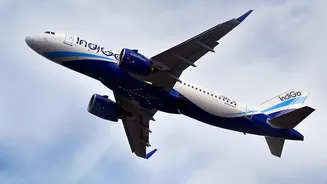
While demand is soaring, supply is struggling to keep pace. Contrary to expectations, major airlines like IndiGo and Air India have actually reduced their seat capacity in the months leading up to the festive season compared to last year. According to aviation analytics firm OAG, Air India's capacity in October 2026 is down by a significant 12.6% year-on-year, while market leader IndiGo also saw a marginal reduction. This capacity contraction, affecting both domestic and international routes, directly squeezes seat availability. Compounding the issue are high operational costs. Aviation Turbine Fuel (ATF) prices have risen sharply, and since fuel can constitute up to 40% of an airline's expenses, these costs are inevitably passed on to consumers in the form of higher fares.
The Busiest Skies and Priciest Tickets
The price hikes are not uniform across the country. The steepest increases are seen on what are often called 'homecoming routes'—flights connecting major metropolitan hubs with Tier-1 and Tier-2 cities. Corridors like Bengaluru-Kolkata, Delhi-Patna, Mumbai-Lucknow, and Delhi-Hyderabad are among the worst affected. For example, a flight from Delhi to Patna that would normally cost between ₹3,500 and ₹4,500 has been seen crossing ₹12,500 on peak travel dates. The Delhi-Mumbai route, one of India's busiest, has also seen fares climb steadily. Even international travel is impacted, with flights from the UAE to major Indian cities like Delhi and Mumbai showing significant price jumps as expatriates plan their trips home.
Are There Any Strategies Left?
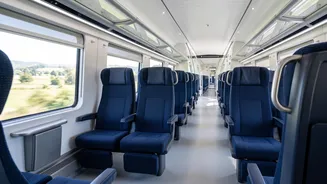
For those who have not yet booked, finding an affordable flight is a daunting task. However, a few strategies might offer some relief, albeit minor. Experts suggest looking for flights on the day of Diwali itself, as they can sometimes be 20-40% cheaper than travelling in the days immediately preceding it. Being flexible with travel dates by a few days can also make a difference. Another option is to consider less convenient flight timings, such as very early morning or late-night departures, which may have lower demand. For some routes, exploring alternative modes of transport might be necessary. To manage the festive rush, Indian Railways has announced thousands of special trains, which could be a viable, if crowded, alternative for those priced out of the skies. Ultimately, with demand far outstripping supply, the reality for many is either to pay the premium or adjust their travel plans.