





The Data Behind the Munchies
What was once an occasional indulgence has solidified into a predictable and highly profitable market. Food delivery platforms and quick-service restaurants have reported a significant surge in orders placed between 11 p.m. and 3 a.m. Some industry reports
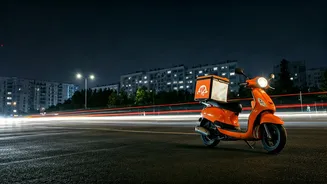
indicate that late-night food orders have seen annual growth of 25-35% in major urban markets. This isn't just a fleeting spike; it’s a sustained pattern. Over the past two years, one major platform, Swiggy, noted an 82% surge in late-night orders. While recent events like the FIFA World Cup have provided a temporary boost, with a 12-15% increase in late-night orders, the underlying trend has been building for years, reflecting a fundamental shift in Indian consumer behaviour.
What's Fuelling the Late-Night Boom?
Several factors are converging to make midnight the new primetime for dining. The primary driver is a tangible shift in urban lifestyles. Younger consumers, in particular, are adopting later sleep schedules, effectively pushing the traditional 9 p.m. dinner time closer to midnight. Sanjeev Agrawal, chairman for McDonald's India (North and East), noted that sleep timings for young consumers have shifted to 2 a.m. or even 3 a.m., creating a new, lucrative window for food services. This is amplified by the rise of binge-watching culture and the normalisation of remote work, which blurs the lines between day and night. The explosive growth of quick commerce is another crucial element, with platforms like Zepto, Blinkit, and BigBasket making it possible to satisfy a craving for ice cream or frozen snacks in minutes, even in the dead of night.
The National Midnight Menu
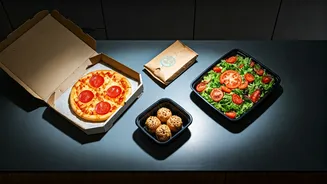
So, what are Indians ordering in the dark of night? Comfort foods reign supreme. According to data from Swiggy, pizzas and burgers are the most popular choices in the 11 p.m. to 3 a.m. window. Desserts, however, are a fast-growing category, with items like choco lava cake and ice cream becoming a meal in themselves rather than just an afterthought. This trend isn't limited to major metros like Bengaluru, Hyderabad, and Mumbai, which post the highest order volumes. Emerging markets such as Surat, Thiruvananthapuram, and Patna are also showing strong growth in late-night order activity, indicating a widespread phenomenon. The data reveals a nation turning to familiar, satisfying meals to punctuate their late hours.
Businesses Wake Up to the Night Economy
The corporate world is taking notice and adapting quickly. Quick-service giants like McDonald's and Domino's are extending their operating hours, with some outlets now serving customers until 3 a.m. or even around the clock on highways. This has given rise to the "fourth meal" concept, a post-dinner eating occasion that businesses are actively cultivating. Delivery platforms are a key enabler, creating dedicated "midnight cravings" sections on their apps and using targeted notifications to drive sales. Beyond big chains, a whole ecosystem of cloud kitchens and late-night-only eateries has emerged, designed specifically to capture this after-hours demand with lower operational overheads compared to traditional restaurants. This shift is not just about food; it's a key part of India's broader, though still informal, night-time economy, which includes everything from logistics to call centres.