





The Sneaky Dehydration of Humid Weather
Normally, your body cools itself when sweat evaporates from your skin. But when the air is already saturated with moisture, as it is during high-humidity post-monsoon days, sweat cannot evaporate efficiently. This means your body keeps sweating to try
and cool down, leading to continuous fluid loss without the same cooling effect. This process can cause dehydration to set in sneakily. You might not feel as thirsty as you would in dry heat because the usual cues are blunted, but your body is losing significant water and essential minerals.
Recognise the Early Warning Signs
Because thirst isn't always a reliable indicator in humid weather, it's crucial to recognise other signs of dehydration. Early warnings include a dry mouth, feeling unusually tired or lethargic, headaches, and muscle cramps. Another key indicator is the colour of your urine; if it's dark yellow instead of a pale lemonade shade, your body is telling you it needs more fluids immediately. Ignoring these signs can lead to more severe symptoms like dizziness, confusion, and a rapid pulse.
Go Beyond Plain Water with Electrolytes
When you sweat profusely, you lose more than just water; you also lose vital minerals called electrolytes, like sodium, potassium, and magnesium. These are crucial for nerve function, muscle contractions, and maintaining fluid balance. Relying solely on plain water can sometimes dilute the electrolytes remaining in your body. To properly rehydrate, you need to replenish these minerals. Natural, electrolyte-rich drinks are an excellent choice.
Embrace Traditional Indian Hydrators
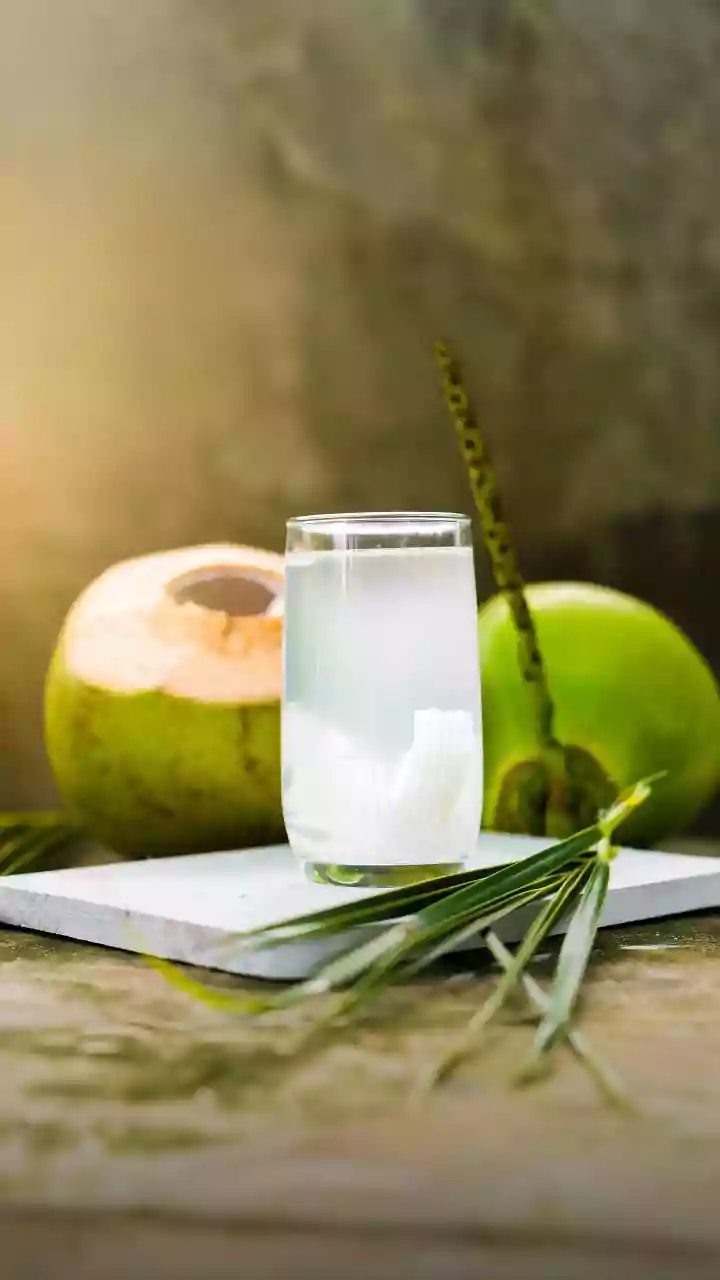
Indian culinary wisdom offers a wealth of hydrating options perfect for this climate. Coconut water is a natural powerhouse of electrolytes, particularly potassium. Nimbu pani (lemon water) with a pinch of salt and sugar not only quenches thirst but also helps restore sodium levels. Chaas (buttermilk) and lassi are other excellent choices; they are cooling, aid digestion, and help replenish fluids and minerals. Aam panna and jaljeera are other traditional drinks that effectively combat dehydration.
Eat Your Water
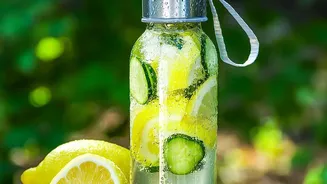
Up to 20% of your daily fluid intake can come from the foods you eat. During humid weather, make a conscious effort to include water-rich fruits and vegetables in your diet. Cucumber, which is about 96% water, is incredibly refreshing and hydrating. Watermelon is another fantastic choice, with a water content of around 92%, and it also provides natural sugars for a quick energy boost. Other great options include oranges, spinach, celery, and tomatoes.
Smart Hydration Habits
How and when you hydrate matters. Instead of chugging large amounts of water at once, sip fluids consistently throughout the day to help your body absorb them more effectively. Make it a habit to drink water even before you feel thirsty. It's also wise to limit your intake of caffeine and sugary alcoholic drinks, as these can have a diuretic effect and contribute to dehydration. If you are exercising or working outdoors, ensure you are drinking water every 15-20 minutes.