








Meet the New Spenders: India's Gen Z
India's Gen Z, born between 1997 and 2012, is a formidable economic force. This digitally native cohort is reshaping consumer behaviour, favouring mobile-first banking, UPI for daily transactions, and app-based financial tools. Unlike previous generations
who may have been more cautious about credit, many in this group are comfortable with digital borrowing. A recent report from TransUnion CIBIL highlights this trend, revealing that as of March 2026, half of all new-to-credit-card consumers in India are 30 years old or younger. This generation isn't just in the metros; 46% of these new cardholders reside in semi-urban and rural areas, signalling a deep geographical expansion of formal credit.
The Rise of Pay-Later Culture
Before embracing credit cards, many young Indians were conditioned by the Buy Now, Pay Later (BNPL) boom. BNPL services exploded in popularity by offering instant, small-ticket credit at checkout, filling a massive gap in a country where only a small fraction of the population owned a credit card. These services reduced the psychological 'pain of payment,' making it easier to make impulse purchases online. This created a habit of deferred payments and instant gratification, setting the stage for more formal credit products. Though the RBI has since tightened regulations on BNPL models to ensure transparency and accountability, the habit of splitting payments and accessing instant credit is now deeply ingrained in the consumer psyche.
Credit Cards Get a Fintech Makeover
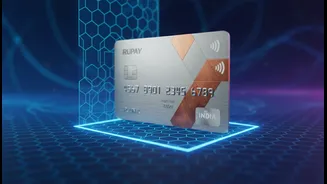
Responding to this new demand, a wave of fintech companies, often in partnership with traditional banks, has launched credit cards tailored for young adults. Products from firms like OneCard, Slice, and Scapia offer features that appeal directly to Gen Z: lifetime-free cards, no joining fees, instant digital onboarding, and reward systems built around online shopping and food delivery. Many of these are designed as entry-level products, making them accessible to students and young professionals who might not qualify for traditional credit cards. The integration of RuPay credit cards with UPI is another game-changer, allowing credit to be used for everyday QR code payments and further blurring the line between spending and borrowing.
A Collision of Habits and Risks
Herein lies the collision: the seamless, tap-and-pay convenience of new-age credit cards is meeting the pre-existing habits of impulsive digital spending nurtured by e-commerce and BNPL. For many Gen Z consumers, a credit card is not their first financial product. A 2026 report found that about a quarter of new cardholders already had three or more other credit products. This generation is quick to build a credit portfolio, with nearly 69% of new Gen Z cardholders taking on another loan within a year. While this indicates growing financial access, it also brings significant risks. The ease of access, combined with a potential lack of financial literacy, can lead to debt traps. Several reports have highlighted the dangers of unregulated digital lending apps, which can employ aggressive recovery tactics and trap vulnerable borrowers in a cycle of debt.
Balancing Opportunity with Responsibility
The expansion of credit among India's youth is a double-edged sword. On one hand, it represents a massive step towards financial inclusion, allowing young people to build a credit history, access funds for important purchases, and participate more fully in the formal economy. The current credit card penetration in India is still low compared to global peers, suggesting significant room for responsible growth. On the other hand, the combination of easy credit and impulsive behaviour necessitates a stronger focus on financial education. Regulators are taking steps to protect consumers by mandating transparency and holding lenders accountable. For the market to grow sustainably, lenders must balance aggressive acquisition with prudent risk management, and consumers must be empowered to understand the true cost and responsibility of credit.