



Understanding the Fats on Your Plate
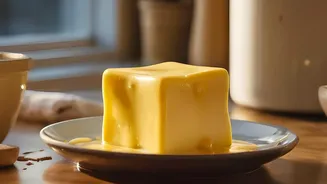
Not all fats are created equal. The two main categories to know are saturated and unsaturated fats. Saturated fats, commonly found in foods like ghee, butter, palm oil, and fatty meats, are known to raise LDL (low-density lipoprotein) cholesterol when
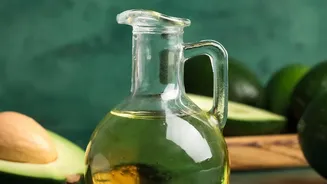
consumed in excess. This is often called "bad" cholesterol because it can lead to plaque buildup in your arteries. Unsaturated fats, which include monounsaturated and polyunsaturated types, are considered "heart-healthy." These fats, prevalent in nuts, seeds, and vegetable oils, can help lower bad cholesterol levels and provide essential fatty acids your body can't make on its own. The goal isn't to eliminate fat, but to shift the balance in favour of these healthier unsaturated options.
What Are 'Heart Function Metrics'?
When we talk about 'heart function metrics', we're referring to measurable numbers that give a clear picture of your cardiovascular health. The most common ones include: Blood Pressure, which is the force of blood against your artery walls. A reading below 120/80 mmHg is considered optimal. LDL and HDL Cholesterol are the 'bad' and 'good' cholesterols, respectively. High LDL contributes to artery blockages, while HDL helps clear cholesterol away. Triglycerides are another type of fat in your blood; high levels can also increase heart disease risk. Making smart dietary choices, like swapping fats, can directly and positively influence these numbers.
The Cold-Pressed Advantage
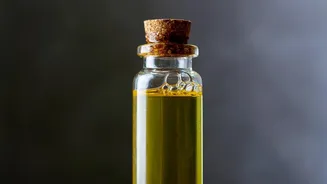
The term 'cold-pressed' refers to how the oil is extracted from seeds or nuts. Unlike refined oils, which often use high heat and chemicals that can strip away nutrients, cold-pressing is a mechanical process done at low temperatures. This gentle extraction helps the oil retain its natural flavour, aroma, antioxidants, and beneficial fatty acids. These preserved nutrients, like vitamin E and polyphenols, offer anti-inflammatory benefits and fight oxidative stress, which are crucial for cardiovascular health. So, choosing a cold-pressed oil means you're getting more of the good stuff that supports your heart.
Making the Swap in an Indian Kitchen
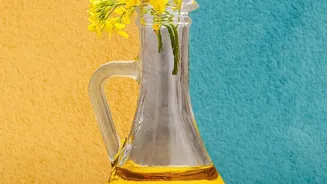
Integrating cold-pressed oils into Indian cooking is both easy and traditional. Many of these oils have been staples for generations. For everyday cooking, sautéing, and tadkas, consider cold-pressed groundnut (peanut) oil or sesame oil. Cold-pressed mustard oil, with its pungent flavour and favourable ratio of fatty acids, is excellent for specific regional dishes and has been linked to a lower risk of coronary heart disease. Cold-pressed coconut oil can be used for light sautéing in South Indian cuisine. Even sunflower oil, when cold-pressed, offers a neutral-flavoured option rich in monounsaturated fats. The key is to use these oils appropriately based on their smoke points and the style of cooking.
A Holistic Approach to Heart Health
While swapping your cooking oil is a fantastic and effective change, it's most powerful as part of an overall healthy lifestyle. A balanced diet rich in fruits, vegetables, whole grains, and lean proteins is fundamental. Regular physical activity, aiming for at least 150 minutes per week, is also critical for improving all your heart health numbers. Managing stress and ensuring you get enough sleep further contribute to cardiovascular well-being. Think of changing your oil as laying a strong foundation upon which you can build other healthy habits for a long and active life.